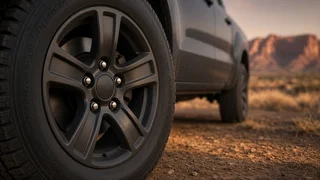
GMC Canyon Wheel Offset

Wheel offset is one of the most misunderstood measurements on a GMC Canyon, yet it directly controls where the tire sits inside the wheel opening and how the truck steers, clears suspension components, and reacts over bumps. Understanding offset helps owners choose replacement wheels that preserve handling and avoid rubbing. Because the Canyon is available in different configurations, the same offset can fit differently depending on rim width, tire size, and suspension changes. The following explanation outlines how offset works, why it matters, and what to consider before selecting new wheels.
Essential answer
Wheel offset describes the distance between the wheel's mounting surface, where it bolts to the hub, and the centerline of the rim. Zero offset means the mounting face is exactly centered. Positive offset moves the mounting face toward the outside of the wheel, pulling the tire inward, while negative offset moves it toward the brake side, pushing the tire outward. For a GMC Canyon, factory wheels generally use a positive offset that keeps the tire tucked within the fender while leaving room for the steering and suspension hardware.
Changing offset alters the scrub radius and track width, which can affect steering effort and the load placed on hub bearings. A wheel with less positive offset or more negative offset may create a wider stance, but it can also contact the fender lip or mud flap when the suspension compresses. A wheel with too much positive offset may rub the suspension or frame at full steering lock. The correct choice depends on the rim width and tire section width, since two wheels with the same offset can still clear differently when paired with wider tires.