Get a vehicle body repair tools PDF
A vehicle body repair tools PDF is best understood as a reference collection rather than a single universal document. The value of such a guide depends on the repair method, substrate material, and the level of surface preparation a panel requires. Because body repairs span dent correction, adhesive bonding, plastic welding, and corrosion repair, no one file can safely cover every situation. A useful guide should explain when a tool is appropriate, how it affects panel alignment, and how coating compatibility and corrosion protection influence the outcome.
Essential answer
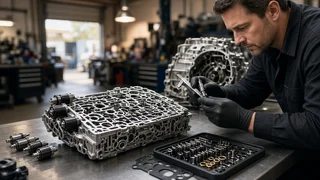
A vehicle body repair tools PDF generally catalogs hand tools, power equipment, and consumables used during collision or corrosion repair. Its scope can range from basic hammers and dollies to sanders, pullers, plastic-repair kits, and measuring systems. The document is most useful when it organizes tools by the repair method and substrate material involved, because steel, aluminum, and plastic panels respond differently to force, heat, and abrasives.
Before relying on any guide, confirm which vehicle body materials it addresses. A tool that works well for smoothing a steel fender may be unsuitable for a thermoplastic bumper cover, where heat control and filler selection become critical. The best PDF explains not only what each tool does but also how it supports surface preparation, preserves panel alignment, and maintains corrosion protection after the repair area is worked and refinished.
Diagnosing a problem
If a repair guide seems incomplete or a listed tool fails to produce the expected result, treat the observation as a sign to reexamine the repair method rather than assume the equipment is defective. For example, when a dent remains visible after metal finishing, the problem may involve incorrect substrate material identification, inadequate access behind the panel, or skipped surface preparation that left paint thickness misleading the eye.
Distinguish between the tool limitation and the panel condition. Sanding marks that reappear after priming can indicate incompatible coating layers or trapped moisture, while a panel that resists pulling may have stretched metal or hidden reinforcements. If the symptom involves structural damage, split panels, or visible cracks near suspension or seat mounts, stop the cosmetic repair and seek professional diagnosis before continuing with any body repair tool procedure.