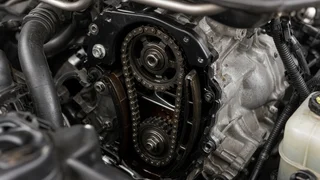
G4FA Timing Chain
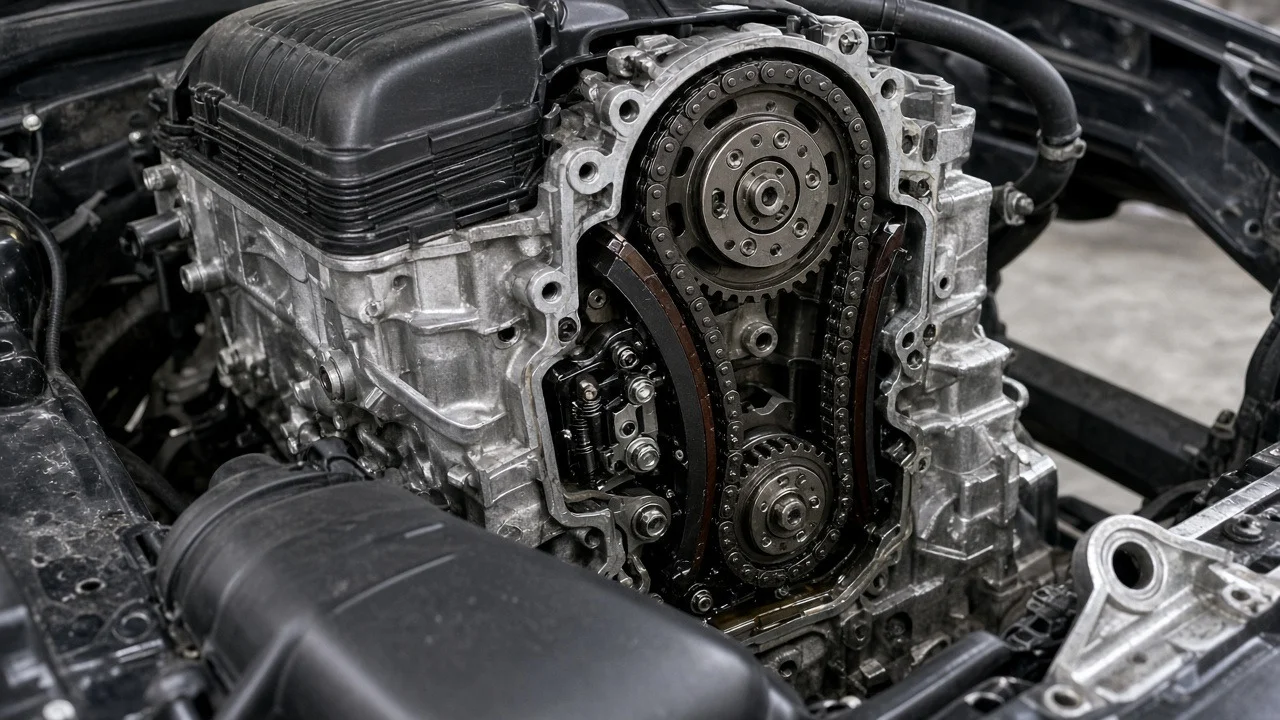
A G4FA engine timing chain question usually starts with an odd rattle, a diagnostic trouble code, or a purchase decision. The G4FA is a compact gasoline engine where the camshaft and crankshaft must stay synchronized, and the timing chain is the metal link assembly responsible for that job. Unlike a rubber belt, it is designed to live inside the engine, but it can still wear, stretch, or lose tension. Understanding what the chain does and how symptoms appear helps an owner separate normal engine noise from a genuine timing concern.
Essential answer
The essential answer is that the G4FA uses a timing chain to connect the crankshaft to the camshaft or camshafts, keeping valve events matched to piston movement. In general terms, this engine configuration relies on the chain, guides, tensioner, and sprockets working as a set. When the chain is healthy, it holds stable cam timing through acceleration, deceleration, and cold starts. When it stretches or a guide wears, the correlation between the rotating assemblies can drift enough to cause noise, rough running, or a stored fault code.
A suspected timing chain issue should be interpreted as a symptom, not an automatic parts replacement. Diagnostic codes related to camshaft or crankshaft correlation are evidence that the measured relationship has moved outside an expected range, but they do not by themselves prove that the chain, tensioner, or guide has failed. The useful next step is inspection: checking for excess slack, listening for startup rattle, and confirming whether symptom conditions are worse when cold or at specific rpm. Service history and manufacturer specifications help distinguish expected wear from a fault requiring immediate attention.