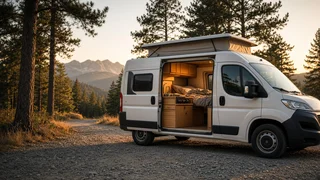
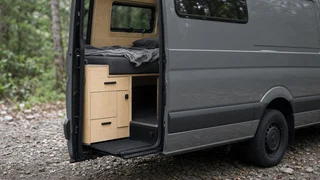
Ford Transit passenger van camper conversion
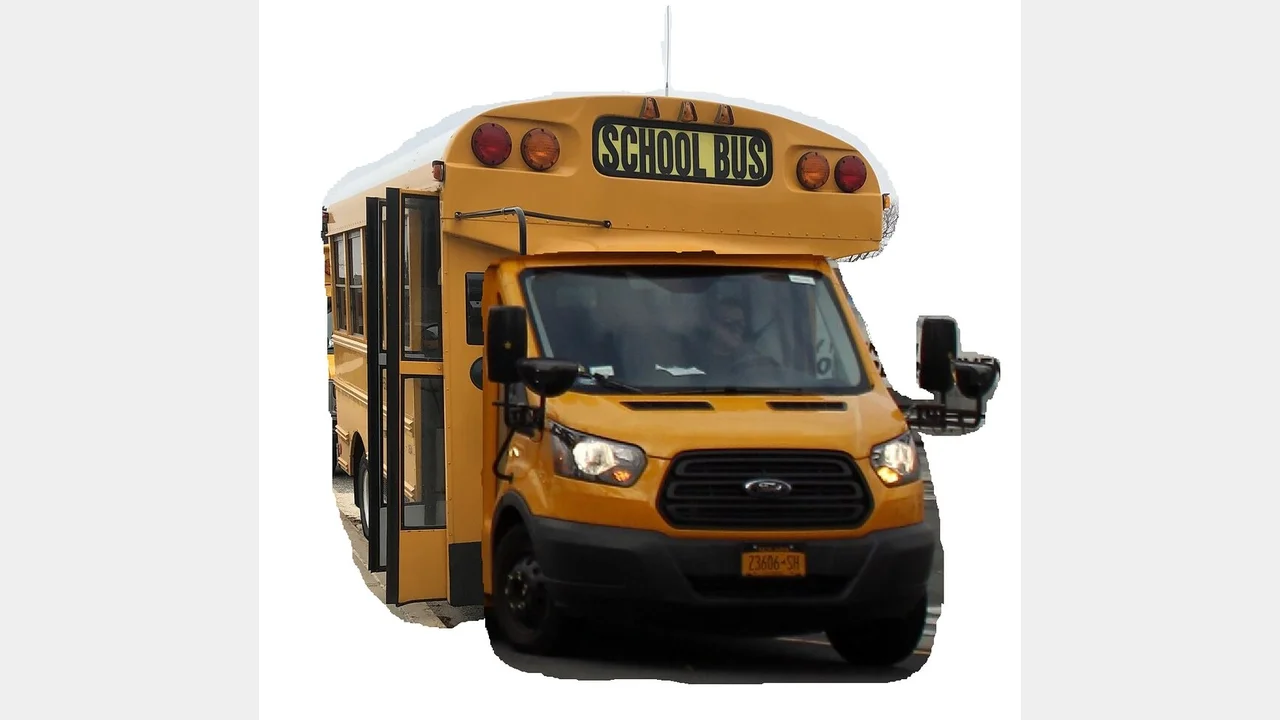
Turning a Ford Transit passenger van into a camper starts with a different base vehicle than the more common cargo model. The wagon body already includes side glass, a full headliner, seating rows, and passenger-friendly trim, which changes the conversion path for the camping build. A Ford Transit minibus camper van conversion can be practical when the builder plans to retain some seating or values finished interior surfaces. However, the existing windows, rear climate equipment, and seat mounting points affect insulation, weight, and layout decisions. Understanding these differences helps an owner choose a realistic camper configuration without unnecessarily duplicating work the factory already completed.
Essential answer
A Ford Transit passenger van camper conversion adapts a multi-seat wagon model for overnight travel, cooking, and sleeping. The essential difference is that the conversion begins with a glazed body and passenger accommodations rather than an empty metal cargo shell. This approach can work well for a dual-purpose vehicle that still carries people during daily use. The builder may keep a rear bench, remove selected rows, or integrate a folding bed platform around the existing seat anchors. The relevant meaning of a Ford Transit passenger van conversion camper is therefore a wagon-based build, not simply installing a bed inside a standard work van.
The practical scope changes because the passenger body already contributes interior panels, climate ducts, and trim that an empty van would need added. For the Ford Transit minibus camper van conversion, the longer body and additional seating can support a layout that preserves forward passenger capacity while dedicating the rear area to a galley and sleeping surface. Material choices become important: the factory headliner and side trim can simplify finishing but may also trap condensation or limit access to the wall cavities. Any conversion should account for this existing structure before cutting or removing components.