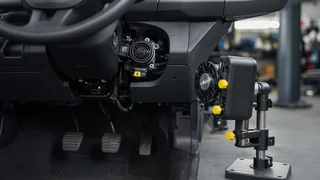
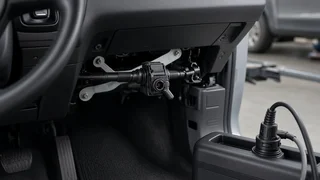
Ford steering angle sensor reset and calibration
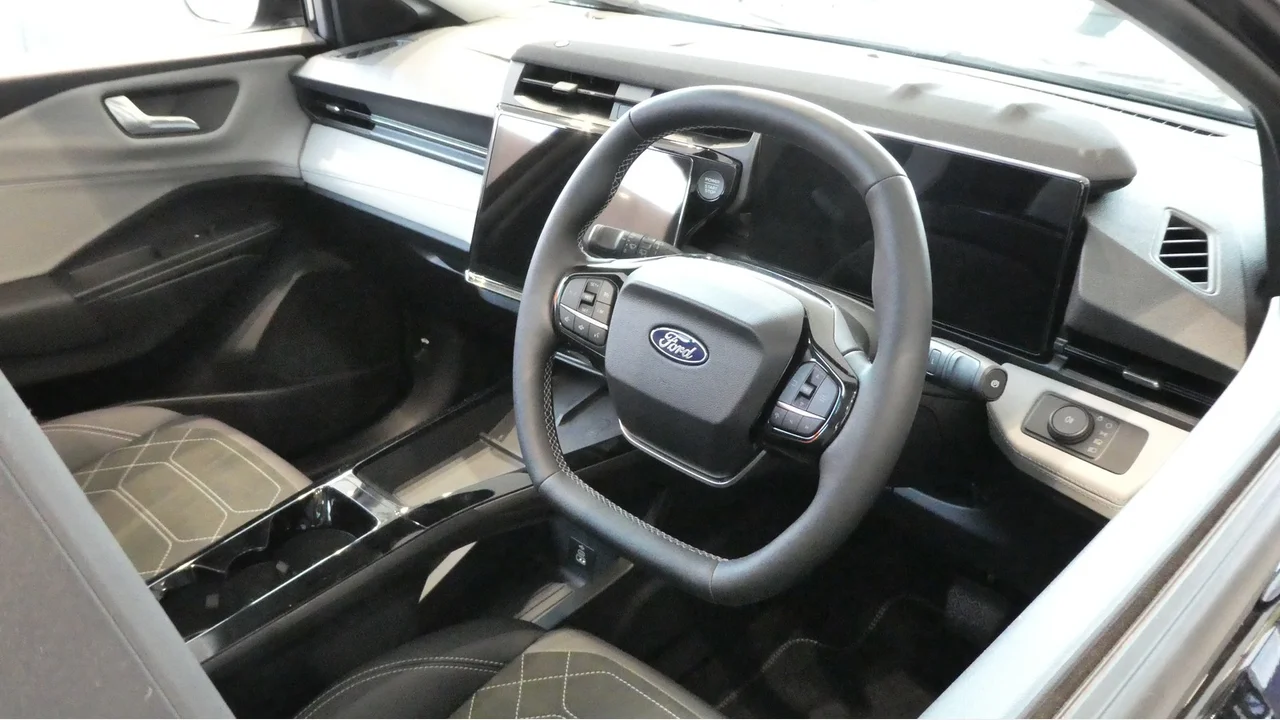
When a Ford vehicle loses its steering reference after a wheel alignment, suspension repair, or battery disconnect, the electronic stability and power steering systems may behave erratically. The steering angle sensor reset and calibration relearns the straight-ahead position so the control modules can correctly interpret driver input and yaw behavior. This applies across popular models including the Explorer, F-150, Fusion, Edge, Escape, F-250, Focus, and Transit. Because the procedure varies by platform and diagnostic tool, understanding the underlying goal helps you choose the right next step without assuming a sensor fault.
Essential answer
A Ford steering angle sensor reset typically involves commanding the steering effort or stability control module to clear the stored zero point and relearn the current centered position. This is not always a physical repair; the sensor may be working correctly but reporting a value that no longer matches the wheels after a wheel alignment or steering column work. Calibration teaches the network the relationship between steering wheel rotation, front wheel position, and vehicle motion so that stability intervention and lane-keeping calculations remain accurate.
The scope changes by platform and diagnostic access. Some F-150 and Super Duty applications respond to a defined centering routine through a scan tool or a program such as FORScan, while other Explorer, Fusion, Edge, Escape, Focus, and Transit models may complete a short drive-cycle relearn without replacing the sensor. A fault code is only evidence that the module lost its learned reference or saw an implausible signal; it does not prove the sensor itself has failed. Confirming the straight-ahead value and checking for joint play, mounting points, ride height changes, and steering linkage wear before recalibration prevents repeating the reset unnecessarily.
Calibration is most relevant after a four-wheel alignment, steering rack service, clock spring work, or a change in front ride height because the physical center can shift enough to affect the stability system. During the routine, the module records the sensor voltage or angle at the centered position and uses that value as its reference for comparing left and right steering input. If the front toe is uneven or a tie rod has play, the learned center may drift, producing an off-center steering feel or premature traction control activity without a hard component failure.
A practical next step is to verify that the steering wheel is centered, the suspension is settled at normal ride height, and no active diagnostic trouble codes point to a separate steering or ABS issue before attempting the reset. Vehicle support must be appropriate if any work is performed under the car, and fastener specification should be followed only when steering parts are serviced. Because manufacturer-dependent routines require vehicle-specific confirmation, an inaccurate generic procedure should not be used in place of the correct Ford or FORScan path for the application being serviced.