Ford Rocam timing chain replacement
Replacing the timing chain on a Rocam engine matters when wear creates noise, timing drift, or a stored diagnostic code. This engine design uses a chain rather than a rubber belt, so the service routine and the symptoms of a stretched chain differ from belt-equipped vehicles. Approaching the job requires separating verified general principles from assumptions, because a chain-related fault code is a starting point for interpretation, not automatic proof that the chain has failed. The discussion below explains what a replacement may involve and how the repair fits the larger task of accurate engine diagnosis.
Essential answer
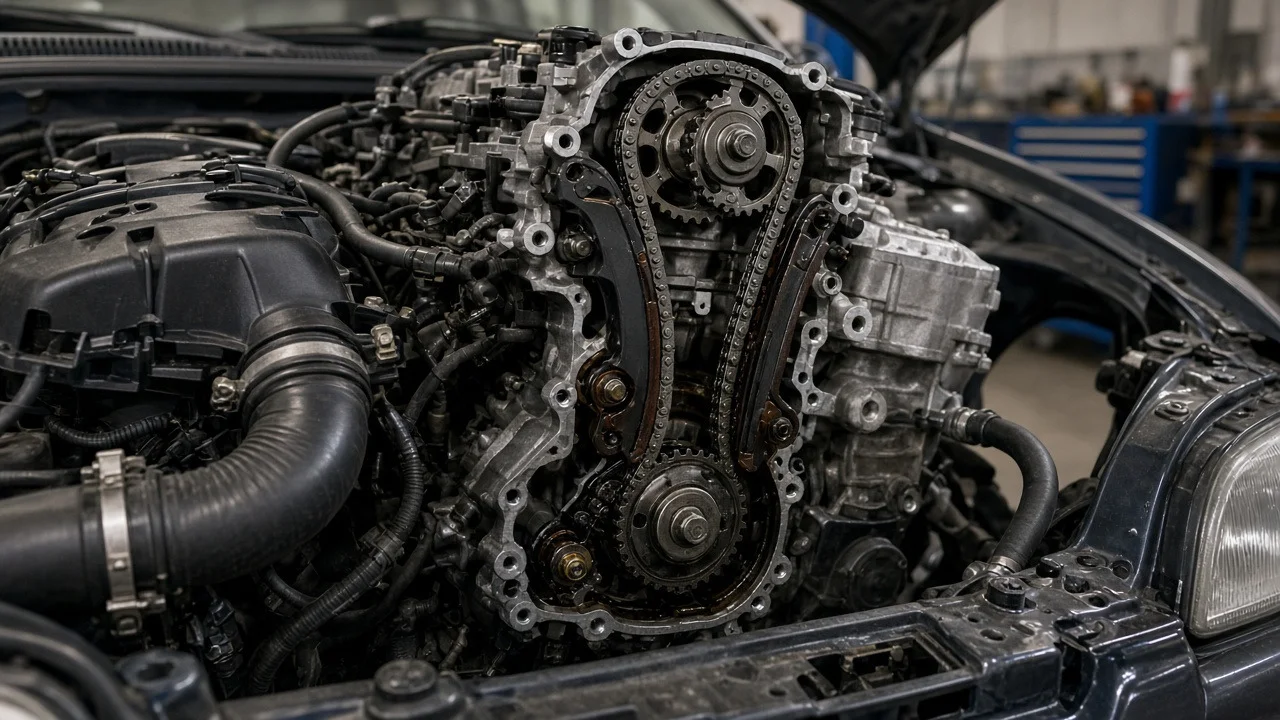
The phrase “replace timing chain on rocam engine” describes removing a worn or damaged chain, typically along with its guides, tensioner, and related timing components, and installing new parts to restore correct camshaft-to-crankshaft synchronization. The Rocam architecture is a specific engine configuration, so the practical repair is shaped by the engine’s layout, access clearances, and whether the chain is located at the front of the block or elsewhere. A direct answer must account for the fact that replacement is a major engine repair, not a routine adjustment, and the scope can vary depending on what inspection reveals once the timing cover is removed.
A timing chain replacement on this engine usually begins with a reason for intervention. A rattling sound during cold starts, rough running tied to symptom conditions, or a diagnostic code for camshaft position correlation may indicate chain stretch, guide wear, or tensioner weakness. However, the same evidence can also point to oil pressure problems, a failing sensor, or wiring faults. For that reason, a supported answer is that replacement is appropriate when mechanical inspection confirms chain-related wear or when the service history and measured symptoms together make the chain the most plausible cause, not simply because a code or noise appears.