Ford Model T controls
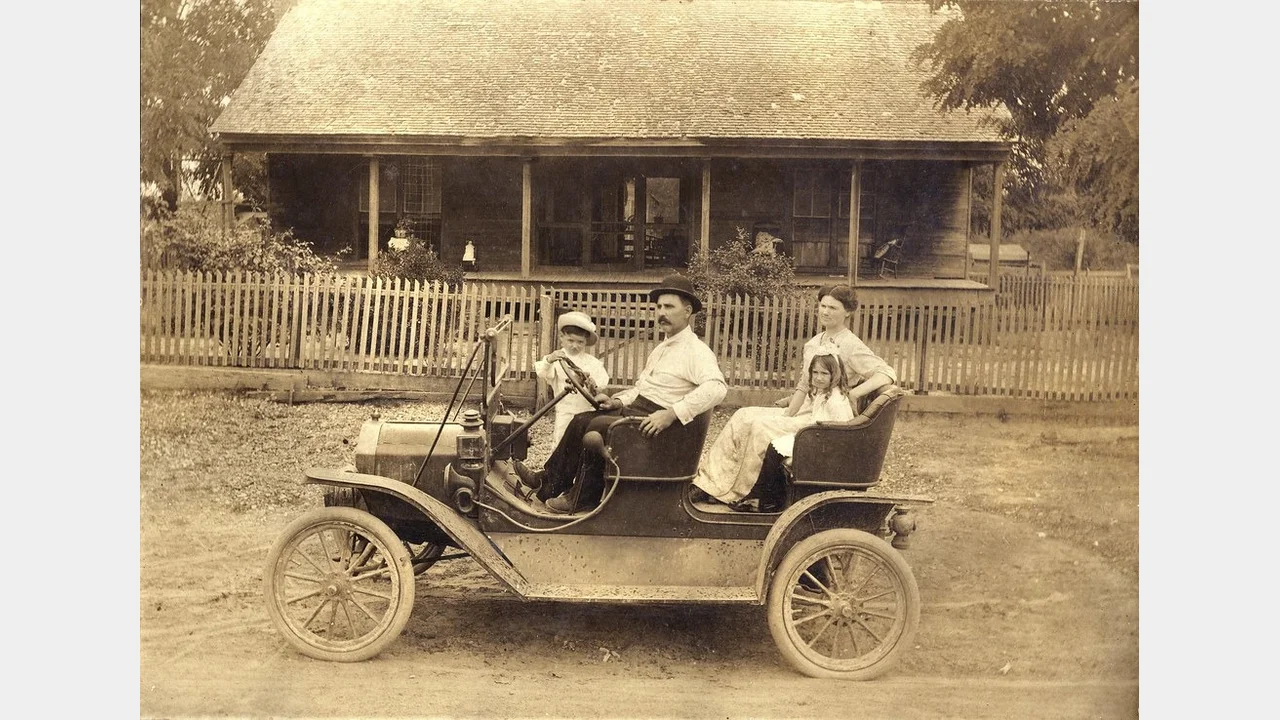
The Ford Model T controls are often the first question asked by anyone stepping into an early motoring exhibit or researching a brass-era car. These interfaces look unfamiliar compared with a modern pedal layout, and understanding them explains how drivers managed throttle, ignition timing, and transmission without conventional instruments. The setup varied across model years and body styles, so what appears confusing at first is really a coherent mechanical language. Recognizing each lever and pedal helps identify proper operation and separates later modifications from factory-era hardware.
Essential answer
The Model T does not use a modern accelerator, brake, and clutch pedal arrangement. Its primary controls include a hand-operated throttle and spark lever on the steering column, a floor-mounted pedal set for the planetary transmission, and a hand brake lever that also places the transmission in neutral. The right-hand pedal operates the transmission brake, the center pedal engages reverse, and the left pedal selects low or high gear depending on position. This direct mechanical system means every control performs a function tied to engine speed, ignition timing, or driveline engagement without electronic assistance.
A key qualification is that the exact feel and placement changed over the model generation and market specification. Early cars and later improved models share the same basic logic, but lever shapes, quadrant markings, and pedal pivot details differ. Body style also influences how the hand controls are reached from the seat, while powertrain configuration remains fundamentally the same across production. For anyone evaluating a specific trim level or restored example, the essential answer is that Ford Model T controls form a sequential driving routine: set spark and throttle, release the hand brake to neutral, then use the pedals to select direction and speed.