Ford Fiesta Timing Chain Replacement: Symptoms and Service
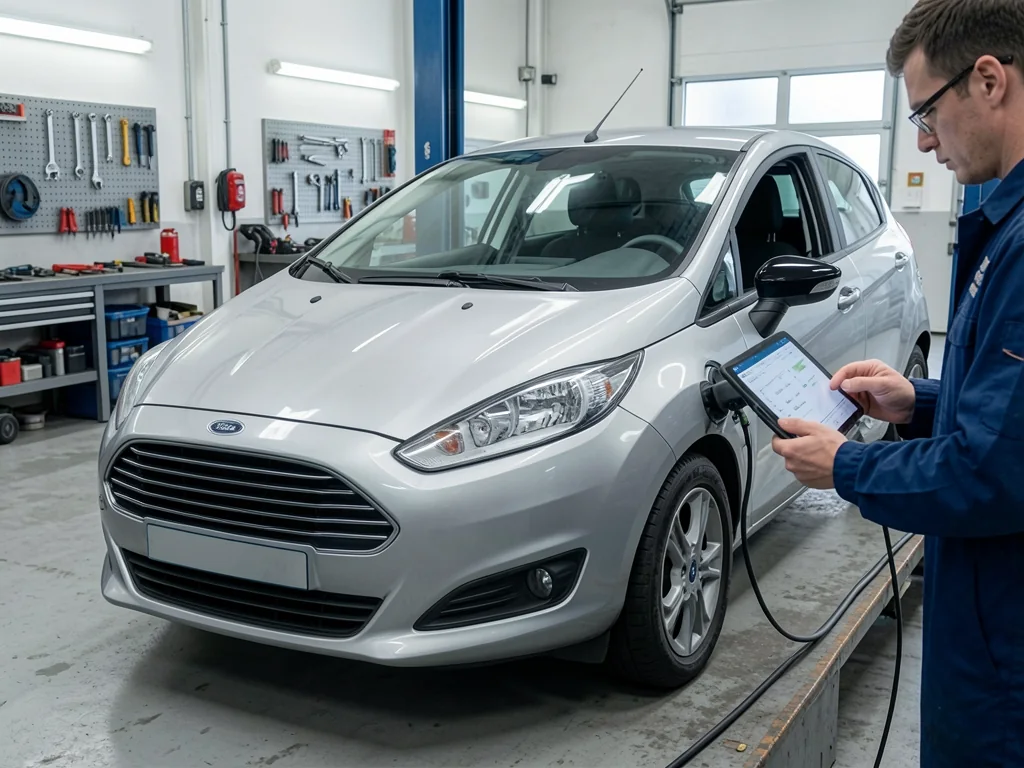
Ford Fiesta timing chain replacement starts with confirming that the engine actually uses a chain and that the reported concerns match that timing system. The Fiesta name covers multiple years, markets, and powerplants, so a shop cannot assume chain service from the badge alone. Understanding symptoms, professional inspection, the likely scope of work, and a clear replacement estimate helps you decide when Ford Fiesta timing chain service is warranted rather than treating every rattle as a failed chain.
Confirm Your Fiesta’s Engine and Timing System
The Ford Fiesta badge does not identify the timing system fitted to a particular vehicle. Across model years and sales markets, Fiesta engines have used different camshaft drive designs, so assuming a chain because another Fiesta had one can send diagnosis in the wrong direction. A shop needs the model year, the market in which the car was sold, the VIN, and engine identification from the under-hood labels or the engine itself. Those details let technicians pull the correct service information instead of guessing from appearance or a previous similar car.
Before anyone discusses Ford Fiesta timing chain replacement, the engine must be confirmed as a chain-driven design in that vehicle's service information. Some Fiesta powerplants use a belt instead, and mixing those procedures wastes time and can damage components that were never the problem. Engine identification codes, displacement markings, and the VIN decode should match the catalogued timing layout. Only after that confirmation should a shop talk about chain wear, tensioner condition, or guide inspection. Camshaft timing discussion is relevant only when the documented system actually uses a chain.
Symptoms That Warrant a Timing System Inspection
Engine rattle at start-up or during idle, rough running, difficult starting, and illuminated warning lights can all justify a timing system inspection on a Fiesta. Those signs overlap with other faults, including lubrication problems, sensor issues, and unrelated mechanical wear, so they are not proof that the chain has failed. A light metallic clatter that fades as oil pressure builds can point toward a timing chain tensioner concern, but it can also come from other valvetrain or accessory sources. The useful step is to treat the symptom as a reason for assessment, not as a completed diagnosis.
Note when the noise or running problem appears, how long it lasts, and which dashboard warnings accompany it, without trying to reproduce a severe sound on purpose. Cold-start behavior, hot idle, and changes after a recent oil service all help a technician connect the report to camshaft timing or lubrication. An oil-pressure warning, harsh mechanical knocking, or a sudden loss of power is different: stop safely, shut the engine down, and arrange professional assistance rather than continuing to drive. Those conditions can indicate inadequate lubrication or a timing disturbance that further running may worsen.
What a Shop Must Check Before Recommending Replacement
A shop should not recommend Ford Fiesta timing chain replacement from a description alone. Diagnosis needs to connect the owner's report with findings on that specific engine, using the correct service information for year, market, and engine identification. Visual access, oil condition, and how the engine behaves during a controlled inspection matter more than a generic chain-wear story. If the rattle occurs only at cold start and oil looks degraded, lubrication and tensioner function belong in the same conversation as chain stretch. Matching the symptom pattern to what is actually found keeps unrelated repairs off the work order.
Professional checks often include oil condition and measured oil pressure, stored fault codes, camshaft-to-crankshaft timing correlation, and the visible condition of the chain, timing chain tensioner, and timing chain guides. A correlation error or a code related to camshaft timing is evidence to interpret, not proof that the chain itself has failed. Manufacturer-dependent codes must be confirmed against that exact Fiesta's service data, because the same number can point to a sensor, a phaser, wiring, or a mechanical timing fault. Replacement is justified only when inspection findings and the verified meaning of any codes agree.
What Ford Fiesta Timing Chain Replacement May Include
When replacement is warranted, Ford Fiesta timing chain work is a major engine service, not a quick roadside swap. At an overview level, the job involves restoring correct camshaft timing by renewing the chain and the related hardware the inspection has shown to be worn or out of specification. Engine covers, accessories, and other components may need to be moved for access, but those steps, timing locks, and alignment belong to a qualified technician using the correct tools and service information. Detailed how-to procedures are not something to improvise, because incorrect timing can cause severe engine damage.
The condition of the timing chain tensioner, timing chain guides, sprockets, and related seals often changes the parts list. A slack chain can wear guides, and a weak tensioner can allow the slap owners hear as engine rattle. Parts must be selected from the exact engine identification rather than a generic Fiesta kit, because tensioner design and guide layout vary. The replacement decision should follow confirmed component condition and applicable manufacturer guidance. There is no universal mileage at which every Fiesta timing chain must come out, so odometer rules cannot replace inspection.
Review the Estimate and Confirm the Repair Outcome
A replacement estimate for Ford Fiesta timing chain service depends on engine configuration, how much labor is required to reach the timing system, diagnostic time already spent, and any additional damage confirmed during inspection. A compact transverse layout can mean more accessory and cover work than a simpler access path, and worn guides or a damaged tensioner add parts beyond the chain itself. Current prices vary by market and shop, so the useful comparison is the documented scope rather than a single headline figure. Ask how the estimate would change if further wear appears once the engine is opened.
A useful estimate lists diagnostic findings, proposed parts, labor, required fluids or seals, and warranty terms for both parts and workmanship. That paperwork should name the chain, tensioner, and guides when those items are included, rather than a vague timing-system line. After the repair, handover checks should confirm normal engine operation, warning-light status, and the absence of fresh leaks around covers and seals. Ask what to watch for during the first drives and how to report a returning rattle, hard start, or oil-pressure warning. Recurring symptoms deserve a prompt return visit so the shop can recheck timing correlation and lubrication.