Ford Explorer Wheel Bearing Symptoms and Replacement Guide
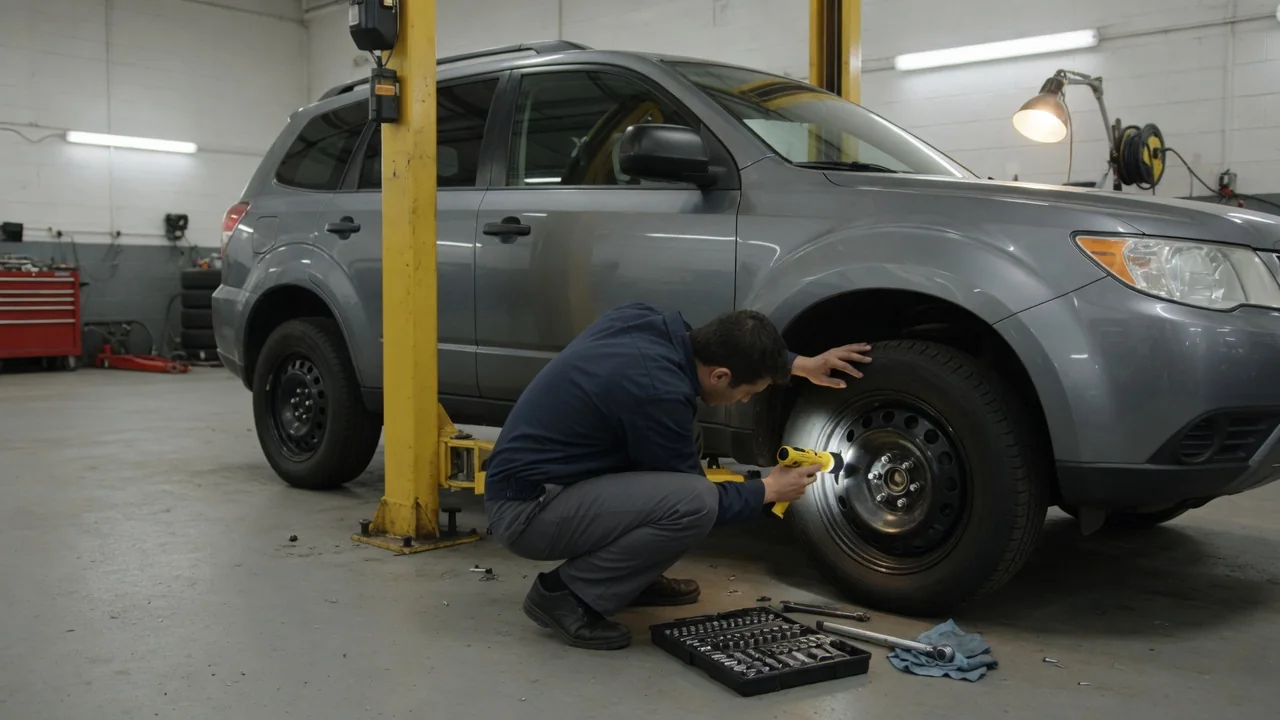
When a Ford Explorer wheel bearing starts making itself known, first match the vehicle, the wheel, and the actual drivetrain configuration to the concern. A wheel bearing for Ford Explorer use is not one universal part, and humming, vibration, or an ABS complaint still needs interpretation. Identification, warning signs, safe driving limits, 4WD fitment, and a professional replacement path all depend on that starting picture.
Identify the Explorer and the Affected Wheel
Start by recording the Explorer’s model year, whether it is rear-wheel drive, four-wheel drive, or another drivetrain configuration, and which corner you suspect. A Ford Explorer wheel bearing is selected and serviced according to that combination, not by nameplate alone. Some years and positions use a hub assembly that includes the bearing, while others treat the bearing as a separate service item. Treating one Explorer layout as universal leads to the wrong part, incomplete hardware, or a procedure that does not match the vehicle in front of you.
Write down when the noise or handling change first appeared and what happened shortly before it. Recent tire rotation, a curb or pothole impact, brake work, or an axle-related repair can coincide with a new complaint without proving that those events caused a bearing problem. That timeline still helps a technician decide what to inspect first. Note whether the concern is constant, speed-related, or more noticeable on a particular road surface, and which wheel position you currently suspect, even if later inspection revises that guess.
Recognize Bearing Noise and Other Warning Signs
Bearing noise on an Explorer often presents as a hum, rumble, or grind that rises and falls with road speed rather than with engine rpm. That pattern is a reason to inspect the hub and related parts, not proof that a wheel bearing has already failed. Wheel vibration or a sense of looseness at the wheel can appear with the same concern. Changes during ordinary left or right turns also warrant a look, but they do not reliably name the faulty corner by themselves because sound and vibration travel through the chassis.
An ABS warning is another reason to have wheel speed signals and the related sensor hardware checked, especially when the hub assembly carries an ABS wheel speed sensor or tone ring. A stored fault is evidence to interpret, not a verdict that the bearing itself has failed, and manufacturer-dependent codes still need vehicle-specific confirmation. Tire cupping, a dragging brake, a worn CV joint, or other drivetrain faults can also produce wheel-area noise that mimics bearing wear. Those possibilities are why a complete inspection matters before any replacement is authorized.
Make Safe Observations and Know When to Stop Driving
If the Explorer still feels stable, note the speeds, road surfaces, and existing symptoms during ordinary driving only. Do not add swerves, hard lane changes, or other test maneuvers to locate a noisy corner; those actions can worsen an unstable wheel and do not replace a shop inspection. When parked on level ground, look at the tires for obvious damage, missing tread chunks, or a visibly cocked wheel, and scan for loose or displaced exterior parts such as a hanging splash shield. Stay outside the vehicle’s footprint and do not lift it or reach underneath.
Severe grinding, visible wheel wobble, unstable handling, or vibration that is getting rapidly worse are reasons to stop in a safe place and arrange towing rather than continuing home. A wheel bearing that is coming apart can leave the wheel poorly supported, and driving on that condition risks loss of control and further damage to the hub, axle, and brakes. A quiet wheel and a clean visual check do not establish that the bearing is sound. Internal wear, excess wheel play, and sensor issues can exist with little or nothing obvious from the outside.
Confirm Bearing Fitment and 4WD Service Requirements
Confirm bearing fitment from the VIN together with model year, the affected wheel position, and the Explorer’s actual drivetrain configuration. A door-sticker 4WD label is not enough to choose a wheel bearing for Ford Explorer service or to decide how the hub is removed and installed. Front and rear corners can differ, and four-wheel-drive hardware, axle shafts, and hub locking features vary across generations. Ordering from a catalog description without that confirmation is a common source of mismatched flanges, incorrect sensor provisions, or a part that will not seat on the knuckle.
Service information should also state whether the specified repair uses a complete hub assembly or a separately serviced bearing, and which axle hardware, snap rings, seals, or hub nuts are required with that design. Wheel speed sensing provisions need the same check: some hubs integrate the ABS wheel speed sensor, others use a reluctor ring that must match the vehicle, and interchange between those styles is not something to assume. Using the applicable parts and service data for that VIN avoids installing a silent but electrically incompatible hub that later sets an ABS complaint.
Understand Professional Diagnosis and Replacement
A professional diagnosis should inspect bearing condition and measurable wheel play together with tires, brakes, and nearby drivetrain components before anyone authorizes replacement. Isolating a rumble often requires a lift, a chassis ear, or similar shop equipment because noise can travel through the unibody and sound louder at a different corner than the worn part. Checking the opposite side and the other axle still matters for comparison, not as a reason to replace extra bearings without findings. That inspection is what separates a noisy tire or a failing U-joint from an actual hub problem.
Replacement, once the failed component is confirmed, is a matter of accessing the assembly, installing the specified hub assembly or bearing, and following vehicle-specific service requirements for that Explorer. Lifting the vehicle, pressing a bearing where the design calls for it, and tightening safety-critical fasteners all require suitable equipment and the correct torque and procedure data. Those steps are not do-it-yourself improvisation. After the new parts are in place, the shop should also verify that related axle hardware is seated and that any wheel speed sensor circuit is connected as specified for that configuration.
Review the Estimate and Confirm the Repair Outcome
Labor and parts scope on a Ford Explorer wheel bearing job can change with assembly design, how much corrosion has locked the hub to the knuckle, and whether related damage is found on the axle, brakes, or sensor wiring. An itemized estimate should name the affected wheel, state whether a hub assembly or a separate bearing is being replaced, list required hardware, and show diagnostic charges separately from the repair. That breakdown lets you see what is actually being authorized. It also makes it easier to question extras that are not tied to inspection findings.
Additional bearings or related parts should be replaced only when inspection findings justify them, not because every corner has similar mileage. After the repair, confirm that the original noise is gone, that warning lights stay off during a normal drive, and that steering and tracking feel as they did before the concern. Remaining rumble, vibration, or a new warning light means the diagnosis is incomplete and further inspection is needed. A successful outcome is the original complaint resolved on the identified wheel, with no new handling or sensor issues.