Ford Edge 2010–2014 steering angle sensor
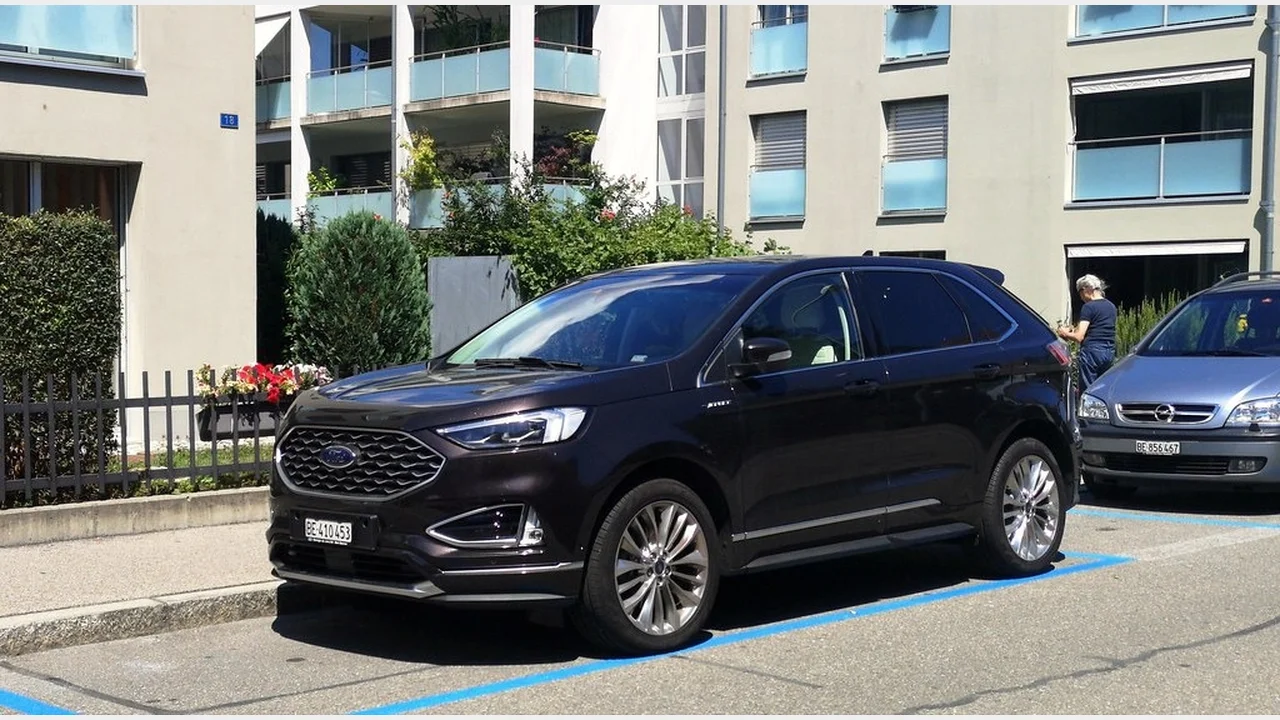
When the stability control light flashes or steering feels inconsistent on a 2010 through 2014 Ford Edge, the steering angle sensor often enters the conversation. This component translates steering wheel position into an electronic signal for the vehicle's stability and traction systems. Owners researching the 2010, 2011, 2013, or 2014 Ford Edge steering angle sensor typically want to understand what it does, why it fails, and how a replacement affects vehicle behavior. The answer involves recognizing how the signal is measured, interpreted, and matched to each model year's electronic architecture.
Essential answer
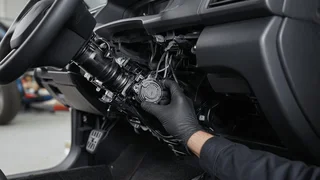
The steering angle sensor on these Ford Edge models measures how far and in which direction the driver has turned the wheel. It does not directly control the steering gear but instead reports position to modules that manage stability control, traction control, and sometimes electric power steering assist. On many vehicles in this range, the sensor is integrated into the steering column or clock spring area rather than mounted at the rack. A fault typically appears as a warning light, a steering feel change, or a stored diagnostic trouble code that references the sensor circuit or correlation.
The scope of the problem matters because not every steering concern means the sensor itself has failed. Wheel alignment, joint play, mounting points, vehicle support, ride height, and fastener specification all influence how the steering position data is used. If the wheels are straight but the sensor reports an offset, stability intervention can occur at the wrong time. A replacement may require reading the old sensor's center value and teaching the new one to the vehicle. The diagnostic code points toward a data plausibility issue, not necessarily a failed electronic component, so interpretation should precede parts swapping.