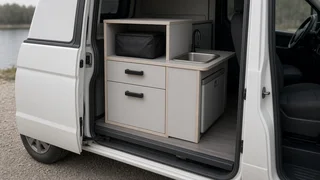
Ford Econoline camper van conversion kits
Choosing a Ford Econoline camper van conversion kit starts with matching the kit design to the van's model year, model generation, body style, and trim level. A full-size E-Series van offers generous interior space, but seat mounts, sidewall contours, and rear door dimensions can vary across production runs. The right kit should feel less like a collection of boards and more like a coordinated system for sleeping, storage, and travel. Before spending on cabinets, a bench, or a folding bed platform, verify how the components attach to the existing floor and wall anchor points so the finished build stays secure and practical.
The direct answer
The immediate answer is that most owners do not need an all-inclusive kit; they need modular components matched to the wheelbase, interior height, and existing factory anchor locations of their Econoline or E-350. A kit described for the E-Series family often fits multiple vans, but the fit can change with the powertrain configuration because engine covers, doghouse shapes, and floor humps affect how a folding bed or cabinet base sits. Confirm whether the kit is intended for a passenger wagon with rear climate ducting or a cargo body with simpler interior panels before ordering.
Consider the market specification and generation as practical filters. An early body style may have different rear door openings and lower interior panels than a later cutaway or extended-length model, so a universal kit may require trimming. A useful purchase approach is to identify the van first, then choose a sleeping platform, galley module, or seat-mount storage unit that either bolts to existing seat rails or uses backing plates approved for the floor thickness. That reduces the chance of a kit that looks correct online but fits poorly in the vehicle.