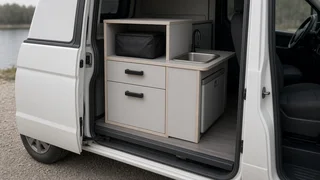
Camper van electrical conversion kits with inverter
Choosing a complete camper van electrical wiring conversion kit with an inverter can turn a confusing pile of separate components into a realistic build. These systems bundle the core power path from the auxiliary battery to breakers, charge points, and AC outlets. For US builders, the focus is balance: enough reserve capacity for appliances without oversizing weight, wiring, or cost. The main decision is whether the kit supports your intended loads, alternator or shore charging, and the inverter’s continuous output. Matching those elements to your van’s layout prevents wasted money and keeps the installation simpler.
The direct answer
A full camper van electrical wiring conversion kit with inverter is worth considering when the packaged parts share a common system voltage, conductor sizing, and protection strategy. The direct answer is that a well-matched kit suits owners who want a defined AC and DC backbone rather than piecing together a fuse panel, charger, and inverter from different brands. The condition that changes the choice is your actual demand: if you plan to run a microwave, induction cooktop, or air conditioner, the inverter’s continuous rating and the battery bank’s deliverable current matter more than the presence of a kit label.
For a typical weekend van with lights, a water pump, a compressor fridge, and occasional laptop or tool charging, a complete kit with a pure sine wave inverter around the 1000-watt class can work. For higher loads, the kit must include appropriately sized battery cables, a charger capable of handling the house battery chemistry, and DC distribution with spare branch circuits. Shopping for a UK-oriented bundle does not automatically match the US electrical environment, so confirm voltage, plug type, and charger input before purchase. The buyer’s goal is a cohesive backbone that can be expanded while using certified overcurrent protection and accessible disconnect points.