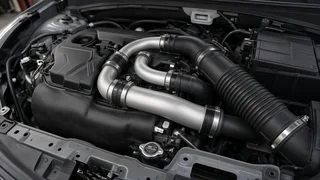
Ford BA XR6 Turbo Intercooler Piping
Upgrading or replacing the boost path on a Ford BA XR6 Turbo often starts with a simple question: which intercooler piping will actually fit, seal, and hold pressure? The charged air leaving the turbo is hot and under significant boost pressure, so every bend, coupler, and clamp in the tract matters. A good pipe kit should match the stock turbocharger and intercooler layout while reducing pressure loss without creating new rub points. This guide explains what to check when comparing stock intercooler piping and aftermarket options, including compressor outlet position, hose connection quality, and the role of oil contamination in evaluating used parts.
The direct answer
For most owners, the right choice depends on whether the car still uses the original intercooler location and turbocharger. The factory piping is shaped to clear the engine bay and is often acceptable for mild boost levels, but it can become brittle with age or suffer from loose hose connections. If you are keeping the standard turbo and intercooler, a direct-replacement or well-engineered silicone and aluminum kit that follows the original routing is usually the safest purchase. Confirm whether the kit is designed for the BA XR6 Turbo rather than a naturally aspirated or later Ford platform.
Replacement piping should match the compressor outlet and intercooler inlet positions, because a poor angle can create stress on the silicone couplers and raise the chance of a boost leak. Raising boost pressure also increases the load on every connection, so look for thick-wall pipe, quality rolled or beaded ends, and strong stainless clamps. If the stock intercooler piping has failed at a hose connection, inspect the mating surfaces before buying new parts. A new pipe cannot fix an oily or distorted intercooler inlet on its own.