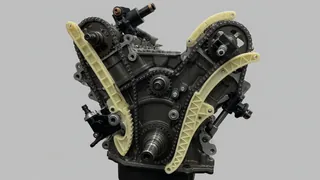
Ford 4.0 SOHC Timing Chain
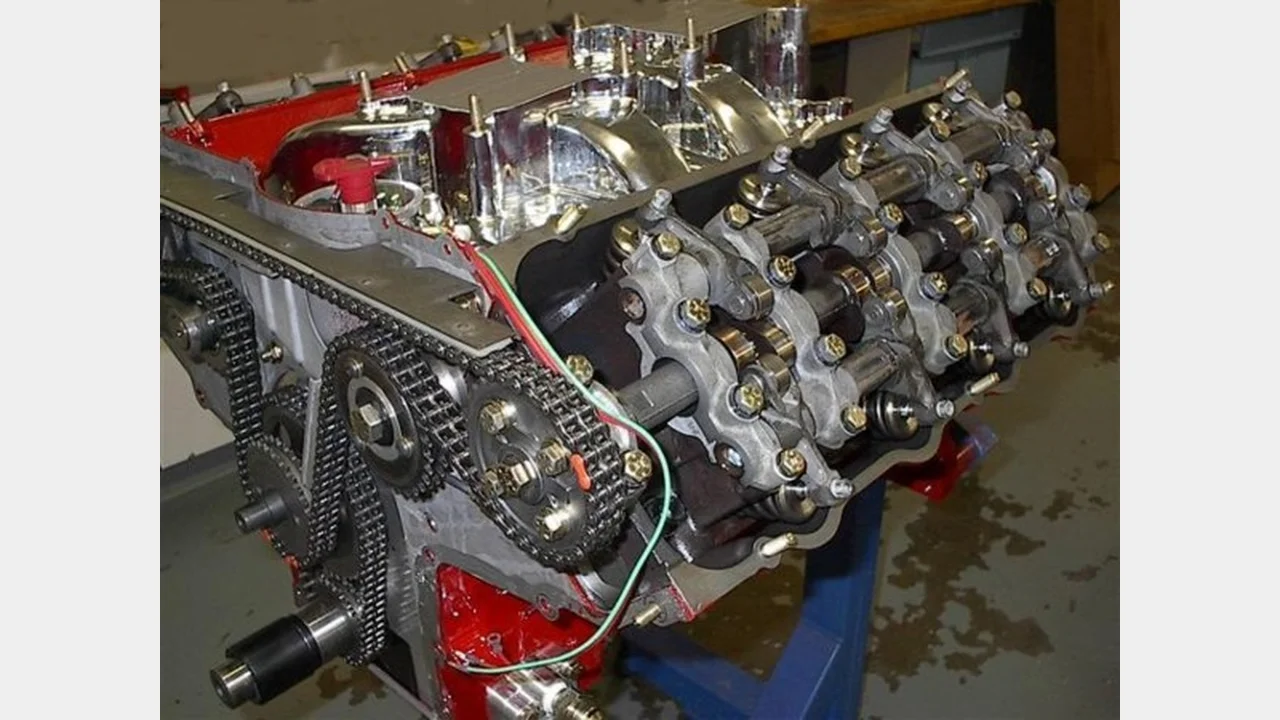
The Ford 4.0 SOHC engine timing chain is a common research topic because its layout influences both reliability and repair planning. Unlike a belt that is replaced on a scheduled interval, this chain runs inside the engine and depends on oil pressure, guides, and tensioners to stay quiet and properly timed. Owners often search for information after noticing a cold-start rattle, a diagnostic code, or an oil-pressure concern. Understanding how the overhead-cam configuration drives the chain system helps explain why symptoms appear, how they change with engine speed, and which inspection points matter before a repair decision.
Essential answer
A Ford 4.0 SOHC timing chain synchronizes the crankshaft and the single camshaft in each cylinder head. In this overhead-cam arrangement, the chain runs from the crank sprocket to the cam sprockets, often using multiple chains, guides, and tensioners. The system is more complex than a single-cam pushrod engine because valve timing must remain stable over a long chain run. Consequently, chain slack, guide wear, or tensioner loss can alter cam timing in ways that produce rough running or noise without necessarily setting a diagnostic code immediately.
When researching the Ford 4.0 SOHC engine timing chain, the key distinction is that chain condition is evaluated through symptom conditions rather than a simple replacement interval. The engine configuration uses the chain continuously, so cold starts, hot idle, and deceleration can reveal different clues. A brief start-up rattle may point to oil draining from a tensioner, while a persistent rattle under load may suggest guide contact or chain stretch. Because the chain resides behind the timing cover, inspection usually begins with oil condition, service history, and careful listening rather than an immediate teardown.