Follow the St. Paul one-side parking ban
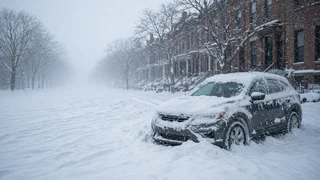
Drivers in St. Paul often encounter winter rules that change where a vehicle may remain parked, and the one-side parking ban is among the most misunderstood. It limits parking to one side of residential streets so plows, emergency vehicles, and larger traffic can pass when snow narrows the roadway. Reading posted signs, checking the local rules for the date, and considering available clearance before leaving a car help avoid citations and towing. The restriction is not the same as a full snow emergency, but it affects vehicle placement for many residents.
Essential answer
The St. Paul one-side parking ban requires vehicles to park only on the permitted side of designated streets during the ban period. This parking restriction preserves maneuvering space and keeps at least one travel lane open when plow windrows or accumulated snow reduce usable width. A driver should not assume the rule matches a neighbor's routine because some blocks are signed year-round while others are activated seasonally or during declared snow events. Confirming which side applies before leaving a car is the safest way to comply.
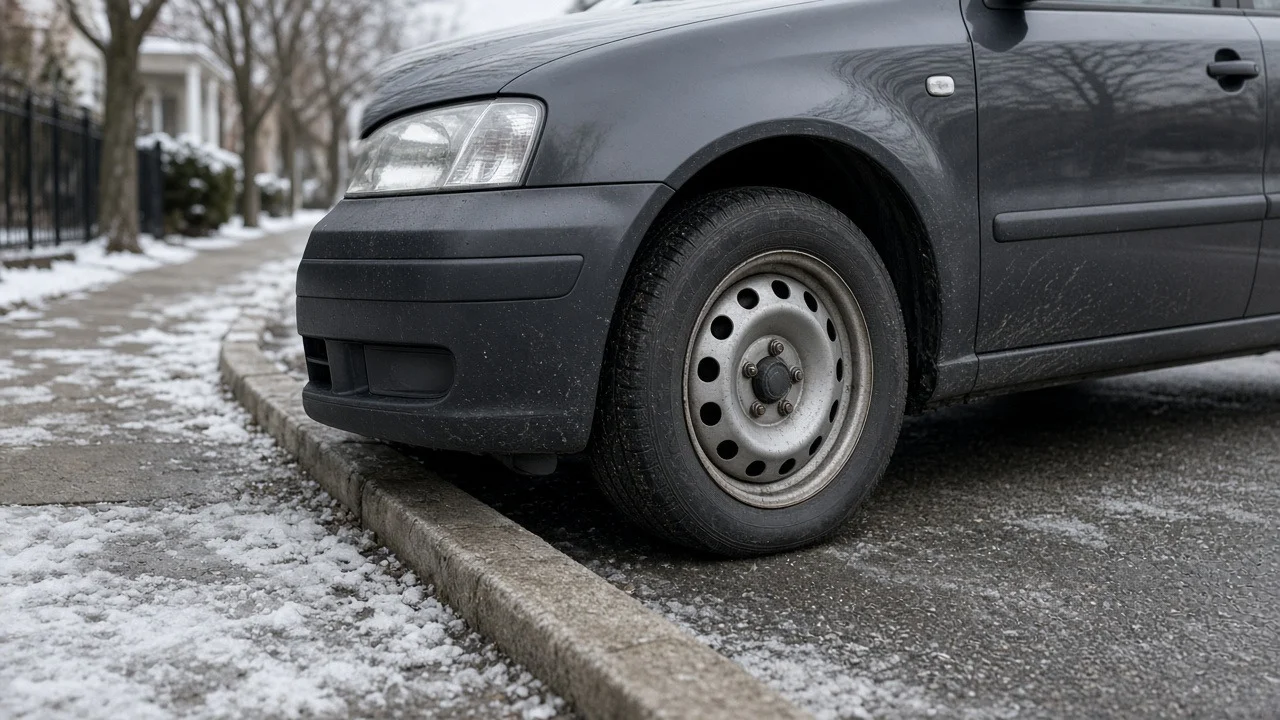
Vehicle dimensions matter because an SUV or long-wheelbase pickup may protrude farther from the curb than a compact car, even when both are legally positioned. If available clearance looks tight, moving mirrors inward and parking close to the curb reduces the chance of impeding a plow or bus. Drivers should also look for temporary overlay signs that can modify the normal side for a short period. When in doubt, relocating to an off-street space or a street without an active one-side restriction protects the vehicle and other road users.