Find traffic-police pound opening hours
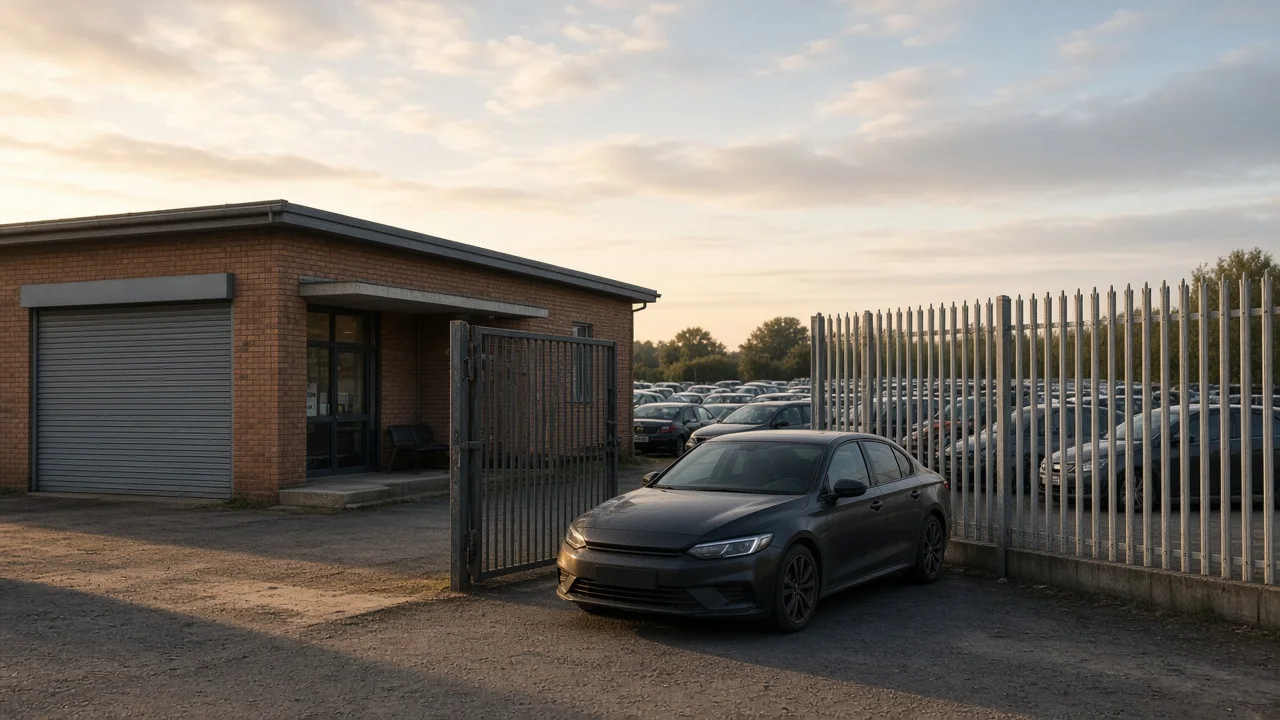
When a vehicle is towed by law enforcement after a crash, arrest, or parking violation, the driver faces one immediate problem: finding the traffic police vehicle pound opening hours before making the trip. A pound is a secured storage facility, not a standard repair garage or dealership lot, so access is typically restricted to specific release windows. Understanding how those hours connect to release procedures helps a driver recover the car without wasting time. Road conditions, visibility, and driver attention also matter when traveling to an unfamiliar pound location.
Essential answer
The essential answer is that traffic police vehicle pound opening hours are set by the agency or contractor operating the impound facility, and they vary by jurisdiction. Some pounds open during normal business hours on weekdays, while others offer limited weekend or evening release windows. Because the hours can change for holidays, staffing, or enforcement operations, the pound listed on a citation or tow notice remains the best source of current access information. Calling ahead before driving prevents arriving at a closed gate after a long trip.
Release hours are only part of the process. A driver generally needs proof of ownership, valid identification, and payment for tow and storage charges before the car is returned. The vehicle may also have to clear a registration or insurance hold. If the pound closes before the paperwork is complete, the process continues on the next business day, which increases storage costs. Therefore, interpreting opening hours alongside the required documentation gives a clearer picture of when the car can realistically be recovered.
Identification and location
Recognizing the correct facility can be difficult because a traffic police pound may share a yard with municipal towing contractors or evidence lots. The tow notice usually lists the exact street address, lot number, and a contact telephone number. Looking for controlled fencing, marked police vehicles, and signage indicating impounded vehicle release can help distinguish the public entry point from maintenance or employee gates. Road markings and lane restrictions near the site may also direct visitors to a separate processing office.
Before departing, a driver should check the route into the pound, especially when the facility sits within an industrial area or near a highway interchange. Maintaining a safe following distance and scanning for changing road conditions reduces stress when the destination is unfamiliar. Because some release offices are open only for short periods, arriving early within the published window leaves time to complete the paperwork. If the gate or office appears unmarked, parking safely and confirming the address by phone prevents entering a restricted area by mistake.