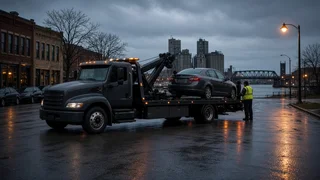
Find towing companies in Baltimore
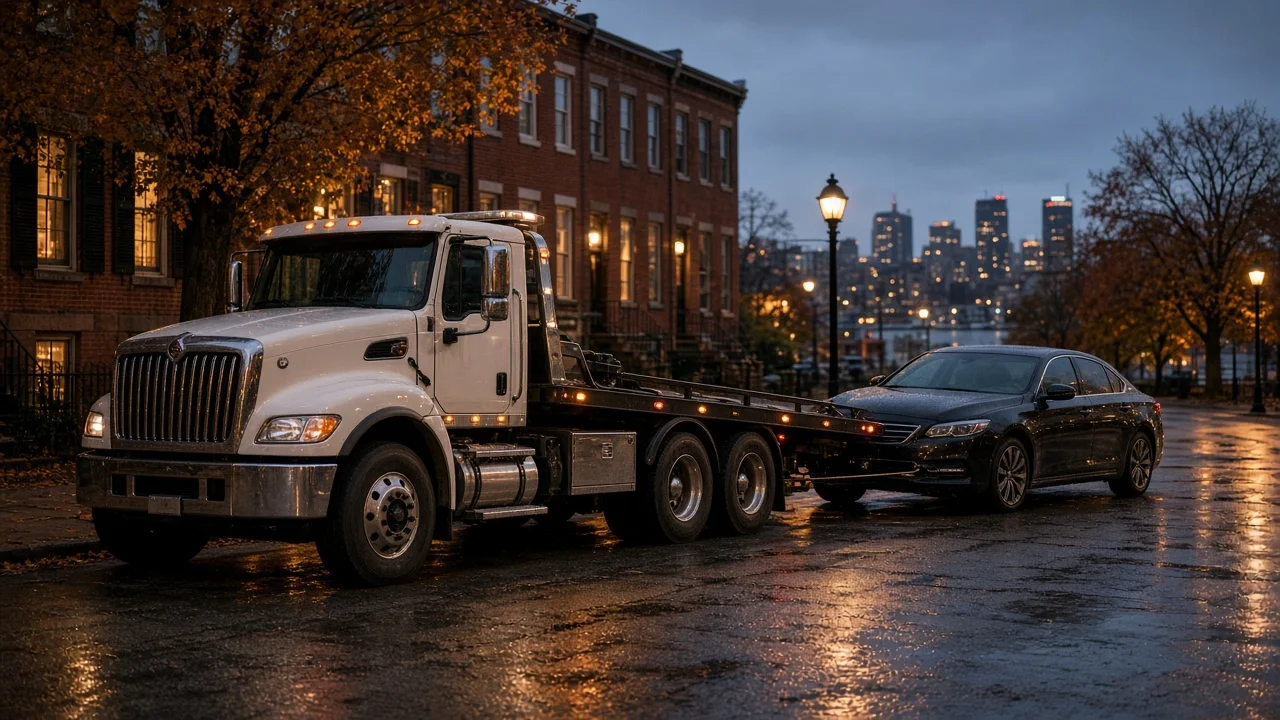
Choosing a towing company in Baltimore City usually starts with a roadside problem, not a planned purchase. A quick search can return many names, but the right provider depends on where the vehicle is, what it weighs, and how it is configured. A flatbed or wheel-lift truck must be matched to the car’s payload, axle rating, and overall dimensions before the driver hooks up. Asking a few direct questions before dispatch can prevent secondary damage, long waits, and a bill that does not reflect the actual recovery work.
The direct answer
The immediate answer for most drivers searching for towing companies in Baltimore City is to confirm service area and current availability before sharing a location. Many operators concentrate on specific neighborhoods, interstate ramps, or contract work with parking authorities and body shops. A provider listed for the city may still be dispatched from a county yard, so the quoted arrival time matters more than a local address. The reader should state whether the car is blocking a travel lane, inside a garage, or immobilized in a manner that changes the equipment required.
The condition that changes the answer is the vehicle’s weight and configuration. A pickup with a loaded bed or a long-wheelbase van may exceed what a standard wheel-lift can safely lift without exceeding axle ratings. If the car has all-wheel drive, low ground clearance, or aftermarket bodywork, a flatbed is typically a safer choice because it keeps all four wheels off the road. Clarifying gross vehicle weight rating and any cargo in the vehicle keeps the dispatcher from sending a truck that cannot legally or physically complete the hookup.
Identification and location
Identifying the correct tow truck begins with describing the vehicle accurately rather than giving only the make and model. Wheelbase, drive type, and lowered suspension change how a driver must approach the car, while badges such as an all-wheel-drive emblem can warn against two-wheel towing. The person requesting service should be ready to read the tire and loading label typically found in the driver’s door jamb, because that sticker carries the gross vehicle weight rating and front and rear axle ratings a dispatcher may ask about when choosing between a flatbed and an integrated wrecker.
Location landmarks are just as valuable as the vehicle description. A car squeezed in an alley, a garage with a low ceiling, or a shoulder on a Baltimore City highway ramp may only fit certain cable angles and truck lengths. The driver needs to know whether the site allows the tow vehicle to line up squarely, whether there is clearance for a folded wheel-lift, and whether the vehicle can be shifted into neutral or left in park. Comparing those physical clues to the truck’s combined weight rating and configuration helps the operator avoid a second trip with different equipment.