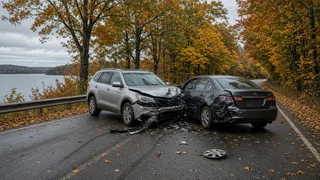
Find the Traverse City crash of July 2018
A reader searching for a Traverse City car accident from July 2018 is usually trying to place a specific crash within a broader local traffic record or locate the documentation that followed it. Without a confirmed report, no universal description of one collision is supportable. General automotive principles can still explain why summer crashes in a northern Michigan tourist area often involve unfamiliar routes, heavier traffic, and driver distraction. The information below addresses what that search can reasonably mean, why positive identification matters, and how vehicle-related records and physical evidence are normally interpreted after such an event.
Essential answer
The essential answer is that the query points to a specific traffic collision, not a standard vehicle fault or component. Because no confirmed subject evidence is supplied, exact details such as location, injuries, vehicle count, or contributing factors cannot be stated as fact. In automotive terms, this is similar to receiving a generic symptom report without vehicle specifics: the absence of identifiers prevents a reliable diagnosis. Readers should treat the July 2018 phrasing as a search filter for narrowing local news, police records, or insurance documents rather than as proof of one widely documented crash.
A summer crash in Traverse City could involve ordinary seasonal conditions such as increased tourist traffic, unfamiliar drivers, or congested intersections. These are plausible contributing factors, but they do not identify the searched incident. Automotive reasoning suggests that when a date and place are known but no report is found, the event may have been minor, misdated, or recorded under a different municipality. The useful next step is to seek the specific record through a state crash report request or local archive, while avoiding assumptions about fault, severity, or vehicle involvement.
Identification and location
Identifying a particular collision requires more than the month and city. Helpful cues include the road or intersection, direction of travel, number of vehicles, and whether a police report number exists. For a vehicle owner, those details function like a VIN or build date: they isolate one record from many similar entries. Without them, a search can return unrelated crashes from the same period. In northern Michigan, state routes, county roads, and business-district streets produce different traffic patterns, so a location clue materially changes how the event is interpreted.
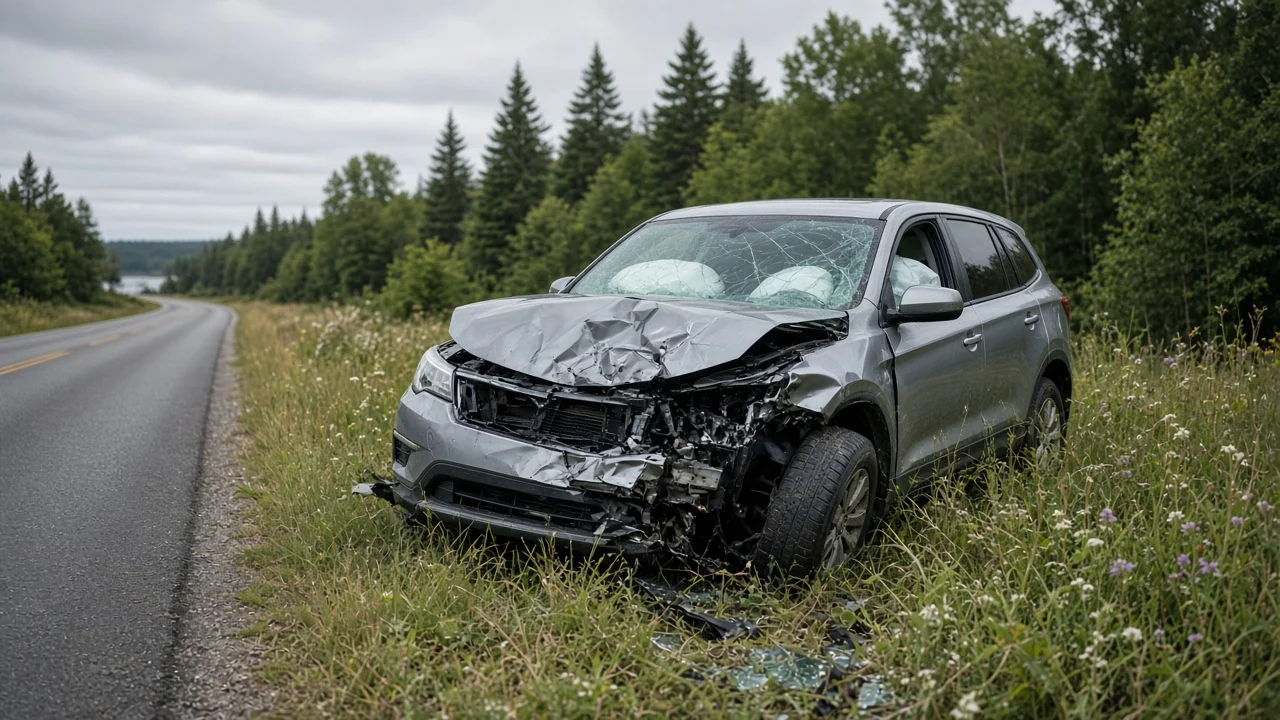
Location information also affects vehicle damage assessment. A low-speed parking lot impact produces different evidence than a high-speed rural road departure, and knowing the setting helps explain deformation, airbag deployment, or coolant loss. Similarly, temperature control, blower motor, or cabin filter questions would be irrelevant unless the crash involved an HVAC-related repair afterward. Anyone researching this July 2018 event should first collect the most precise available identifiers, then compare them against the official record rather than relying on memory of a headline or social media summary.