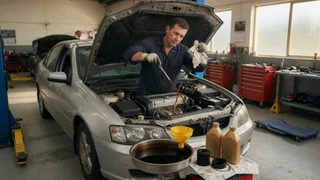
Find FG Barra oil capacity

Owners researching the FG Barra platform often ask what the engine actually takes during an oil change, because guessing leads to overfilled sumps or a low reading on the dipstick. Exact fill quantity can shift with the oil filter, sump design, cooler plumbing and the angle of the vehicle, so a single universal number rarely fits every vehicle as assembled. The practical goal is to use the stated lubricant specification and a reliable level check as the final control, rather than treating an initial figure as absolute.
Essential answer
The FG Barra oil capacity is best treated as a service target within a range, not one immutable machine stamping. The sump holds most of the lubricant, while the filter cartridge or spin-on housing and any engine oil cooler lines add a smaller reserve. When the filter is changed and the old oil drains fully, the refill volume can differ by a meaningful amount from a dry-engine figure or from a quick top-up after partial drainage.
Because published fill quantity may vary with factory options, aftermarket pans and equipment identification, measuring the oil as it returns to the sump is the dependable method. Add most of the expected volume, let the oil settle, then check the level before adding small increments. That sequence prevents the classic mistake of pouring the entire listed amount into an engine that still retains old oil in the cooler or filter cavity.
Identification and location
Confirming the exact engine configuration matters because the FG Barra family can appear with different induction, sump and cooling arrangements that alter the total fill quantity. The clearest identification points are the engine code or family designation on the vehicle or engine documentation, the oil dipstick and fill cap, and the shape of the sump. A front-mount oil cooler, remote filter adapter or different pan profile usually signals a need to adjust the baseline volume.
The dipstick remains the most useful location cue after a fill, because its full and add marks define the operating range the manufacturer intended. Before judging the reading, the vehicle should be on level ground and the engine off long enough for oil to drain back. The markings also help distinguish a borderline low reading caused by an underfill from a residual film or a steep parking angle that shifts oil away from the pickup area.