Fiat Punto 'insufficient engine oil pressure' warning
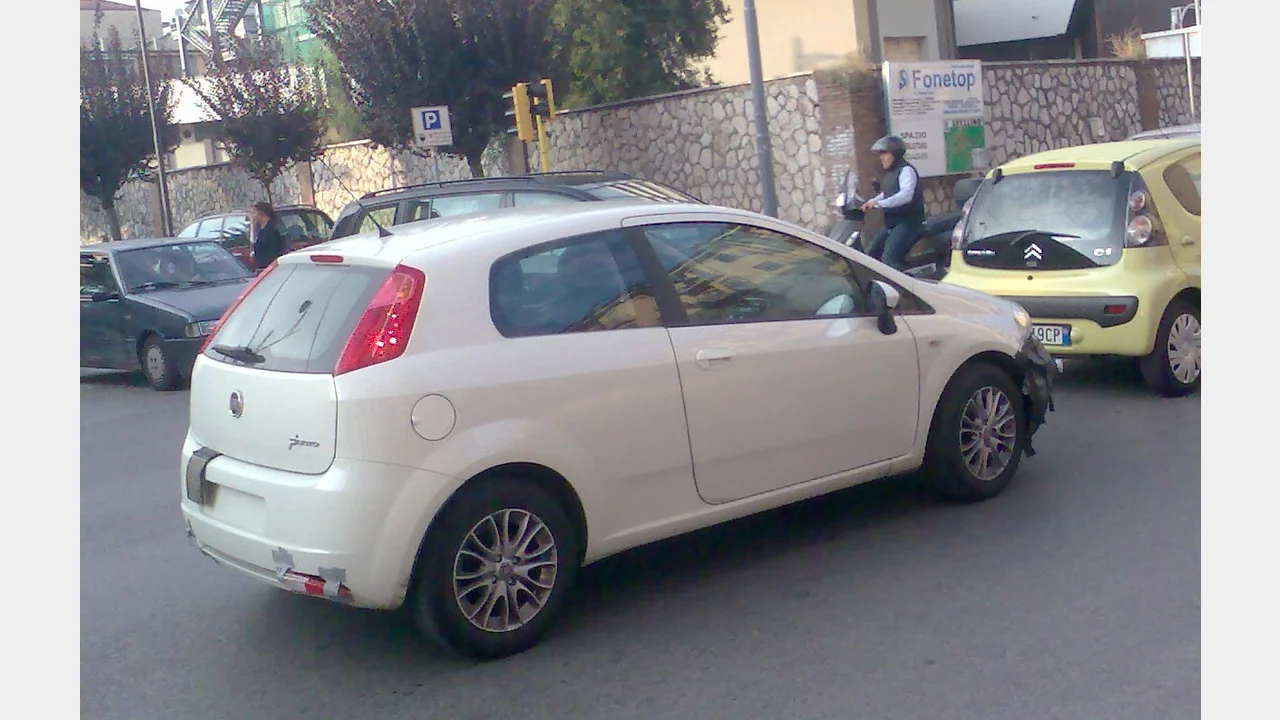
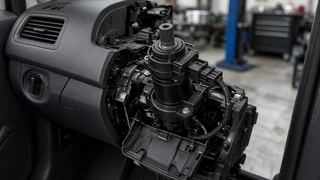
A “insufficient engine oil pressure” warning on a Fiat Punto means the lubrication system is not maintaining the oil film the engine bearings, camshafts, and hydraulic components need. The message may appear at idle, during cornering, or briefly after startup. It is a pressure problem, not simply a level reading, and it deserves immediate attention. Several everyday causes can produce the alert, including a low sump, the wrong lubricant specification, an aging oil pump, a clogged pickup screen, or a failing pressure sensor. The first task is to confirm whether the warning reflects a real supply problem or an electrical measurement fault. Treat the alert as a reason to stop and inspect rather than as proof that one component has failed.
Essential answer
The warning means the engine control system has received a signal indicating oil pressure below the threshold the manufacturer expects for safe operation. In practice, that threshold is often read at the oil pressure switch or a pressure sensor, so the message can be triggered by a wiring fault, a faulty sender, or a true drop in oil supply. A low fill quantity is the most common real cause, especially if the alert appears after hard cornering, on steep grades, or during warm idle when the oil is thin and the pump output is lower.
The Punto uses engine oil for more than lubrication. It cools the bottom end, damps timing chain or valvetrain noise, and feeds hydraulic tappets and, on some engines, a variable valve timing actuator. When oil pressure falls, the first parts to suffer are usually the camshaft bearings and hydraulic adjusters because they sit high in the lubrication circuit and receive oil after the main gallery is filled. For that reason, a pressure warning should never be treated as a minor reminder to check the oil at the next service interval. The correct response is to park on level ground, shut the engine off, and inspect the dipstick before any further driving.
Diagnosing a problem
Start with the level check. Let the engine sit for a few minutes so oil can drain back into the sump, then pull the dipstick, wipe it, reinsert it, and read both sides. If the level is below the minimum mark, top up only with an oil meeting the manufacturer approval for the particular engine. A low reading explains the warning and may also point to a leak at the sump gasket, cam cover, crankshaft seals, or oil filter housing. If the level is normal, do not assume the engine is safe simply because the dipstick looks acceptable.
Next, consider the observation conditions. A warning that appears only when the engine is hot at idle, and disappears when engine speed rises slightly, can suggest worn main or rod bearings, a tired oil pump, or a pressure relief valve that is sticking open. A warning that flickers with no relation to temperature or rpm is more consistent with a failing oil pressure switch, a poor connection, or a chafed wire. Equipment identification matters because manufacturer-dependent codes and sensor behavior vary; some engines use a simple switch while others use a variable pressure sensor. Since a fault code is evidence to investigate rather than proof that a part has failed, verifying the actual pressure with a mechanical gauge is often the decisive next step before replacing a pump or condemning a bearing.