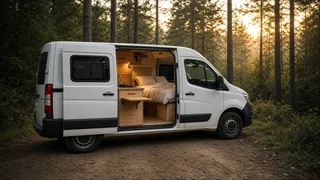
Family camper van conversion
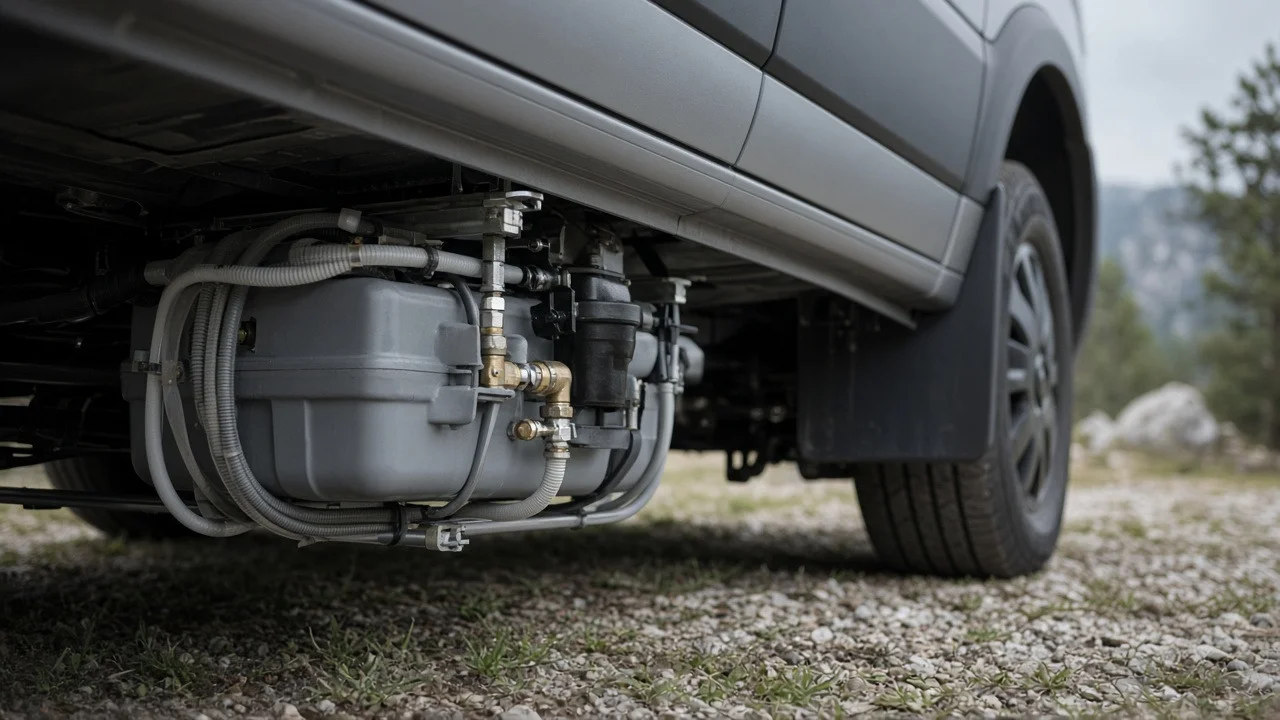
A family camper van conversion turns a standard van into a compact mobile living space, but the best starting point depends on how you travel. A high-roof cargo van offers room for bunks, a galley, and secure seating, while a passenger van body configuration brings factory seating and window positions that change the build plan. Understanding cargo access, wheelbase, available powertrain options, and the original market specification matters before cutting panels or buying cabinets, because these factors shape layout, load capacity, and long-range comfort.
Essential answer
The essential answer is that a family camper van conversion is a van modified for sleeping, eating, and carrying multiple passengers safely. Unlike a weekend two-person setup, a family build must preserve crash-safe forward- or rear-facing seats, secure storage for gear, and bedding for children without blocking cargo access. A passenger van body configuration often accelerates this process because it already includes the correct seat mounts and rear climate openings, while a cargo shell gives a blank floor but requires more seat engineering and insulation work.
Choosing a longer wheelbase usually increases interior volume and improves highway stability, yet it reduces maneuverability in driveways and trailheads. Powertrain options also shape the result more than floor plans: a stronger engine helps when the completed van carries water, batteries, people, and supplies at gross weight, especially on mountain grades. The final conversion should be judged by how well the original market specification, such as door location and glass area, supports daily loading and safe sleep positions for every family member.