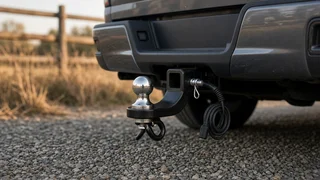
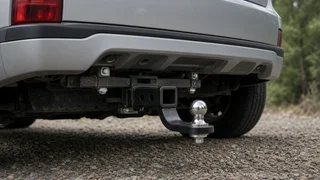
Extended trailer hitch ball mount
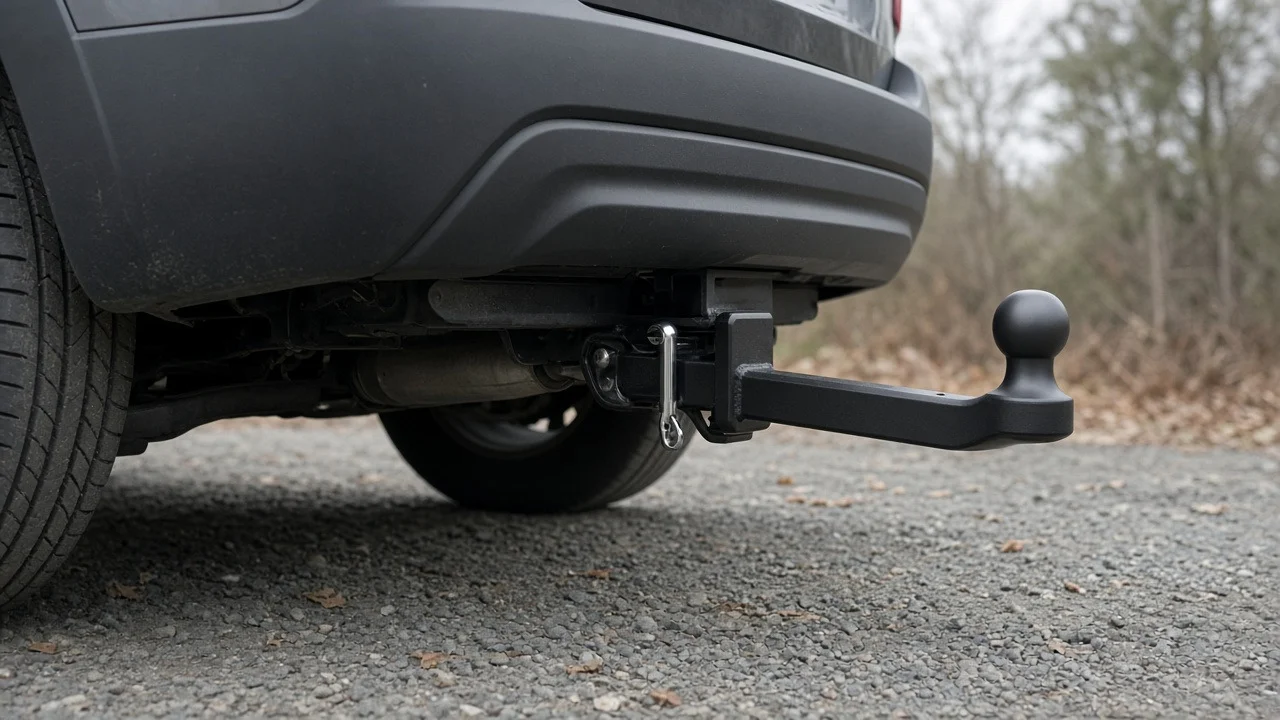
Choosing an extended trailer hitch ball mount usually starts with one practical need: you want extra clearance between the back of the tow vehicle and the trailer. That added reach can prevent the trailer tongue or front corner from contacting a spare tire, bumper, tailgate, or rear-mounted accessory during tight turns. The low-volume search terms around "extra long trailer hitch ball mount" and "trailer hitch ball extender" suggest this is a niche purchase, so the details matter more than broad brand claims. This guide explains what the component does, how added length changes towing forces, and what to verify before buying.
The direct answer
An extended trailer hitch ball mount can be a useful purchase when a standard mount leaves too little turning clearance or puts the trailer too close to the tow vehicle. The extension moves the hitch ball rearward, creating more room for the trailer tongue and allowing a slightly sharper angle before contact occurs. However, that extra reach is not free: it increases leverage on the receiver and lowers the amount of weight the setup can safely handle. Any extension should be treated as a towing assembly change, not a simple accessory swap.
Before choosing one, confirm the receiver size, pin diameter, ball shank size, and the tongue weight you intend to carry. A longer ball mount shifts load farther from the rear axle, which can amplify bounce and reduce steering feel on some configurations. This is why manufacturers commonly assign reduced ratings to extended mounts. If you need the ball positioned rearward primarily to clear a spare tire or a truck cap, measure the actual gap at full steering lock rather than guessing. A modest extension often solves the clearance problem while keeping the leverage penalty smaller than a very long extra-reach design.