EV Charging Explained: Charger Levels, Charging Time, and Daily Habits
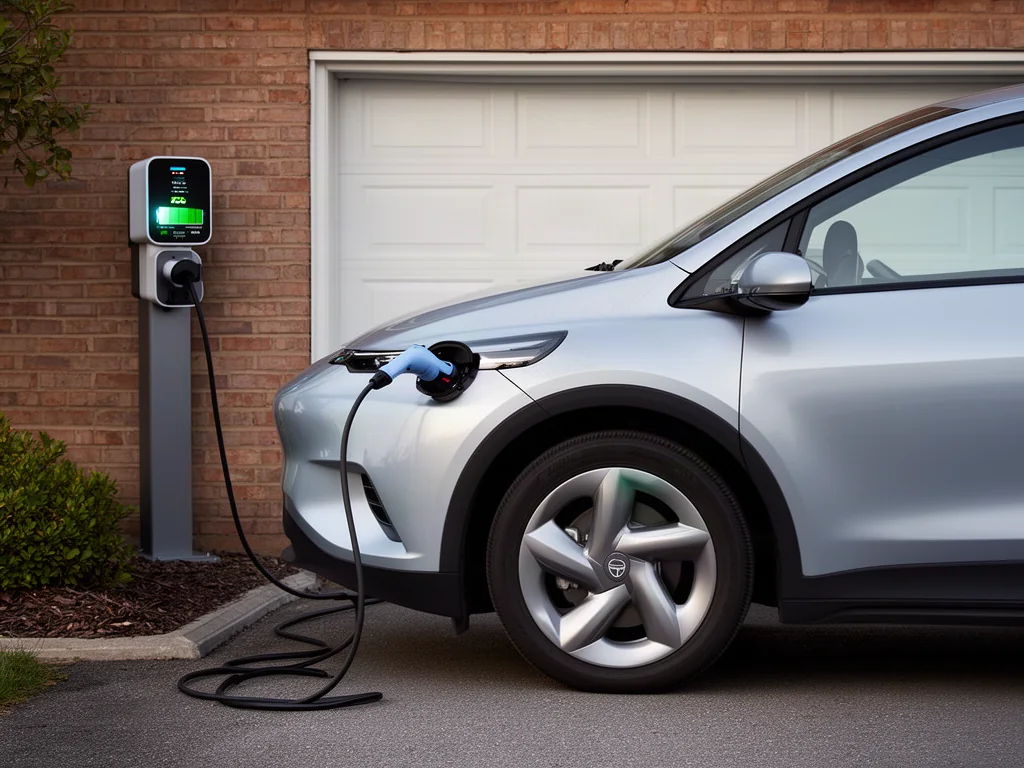
The charging time of an electric car depends on charger type, remaining energy, and how the vehicle accepts power. This guide explains Level 1, Level 2, and DC fast charging, electric car charging speed, and EV battery charging tips for daily use. It covers how to charge an EV battery at home or at a station, not portable power banks, charging cost, or cabin preconditioning.
What You Need to Plug In and Start Charging
Charging here means replenishing the EV traction battery that drives the wheels, not a 12-volt accessory pack. An EV car battery charger is the external equipment plus, on AC, the onboard charger that converts incoming power into the form the pack can store. DC fast charging bypasses that AC conversion and feeds DC energy under vehicle control. Before you plug in, confirm the connector matches, follow the vehicle and station prompts, connect firmly, then verify that charging has started rather than assuming the session is live.
Once energy is flowing, the instrument cluster or companion app typically shows state of charge, charging status, and an estimated completion time for that EV battery charge. Treat the estimate as a live forecast, not a fixed clock. Before every session, inspect plugs, cables, and outlets for cracks, bent pins, fraying, or moisture. If equipment looks damaged or feels unusually hot, stop using it and get qualified help. Do not attempt electrical repairs yourself. An EV battery charger is only useful when the hardware and the vehicle handshake remain intact.
Level 1, Level 2, and DC Fast Charging in Everyday Use
Level 1 charging in the United States uses approved equipment on a suitable 120-volt outlet and adds energy slowly during long parking periods, overnight at home, or a full workday. It is still a practical battery charger for EV use when dwell time is long and daily miles are modest. Level 2 AC charging at homes and destinations uses higher-voltage circuits and can refill far more energy in the same parking window. Session speed then depends on the circuit, the charging equipment, and the vehicle's AC acceptance limit set by the onboard charger, not only the station label.
DC fast charging supplies DC energy directly to the traction battery under vehicle control and needs a compatible vehicle and connector. At a public electric car charging station, identify the charging type and the posted rated output in kilowatts. Advertised power does not promise a particular electric car charging station time, because site sharing, vehicle limits, and battery conditions still shape the session. For a home circuit, ask a qualified electrician whether the outlet, wiring, and panel can support the equipment you plan to install rather than guessing from a product box.
How to Estimate the Time Needed for Your Charge
A useful estimate of electric car charging times needs four numbers: starting charge, target charge, usable battery capacity in kilowatt-hours, and expected average charging power in kilowatts. Multiply usable capacity by the desired charge-percentage increase to approximate the energy you must add. Divide that energy by average battery-side power to approximate charging hours. That is how long it takes to charge an EV battery under a steady assumption. Time at electric car charging stations still depends on that average, not a peak label you can copy from the stall.
As a clearly hypothetical example, adding 30 kWh at an average battery-side power of 7 kW takes about 4.3 hours. Substituting a wall or station rating for that average makes the math look faster than the session. Charging losses, cabin or accessory use, changing power, and battery-management limits can all stretch or shorten the forecast, which is why the vehicle's live estimate may update while the EV is charging the battery. Active charging time also differs from the total stop, which can include waiting for a charger, connecting, and starting the session.
What Sets Charging Speed Throughout a Session
Delivered power is a negotiation among station output, the vehicle's acceptance limits, available site power, and battery conditions. Electric car charging speeds therefore change during a stop even when the plug stays the same. Most DC sessions follow a charging curve: power can be relatively high at a moderate state of charge, then a charging taper reduces kilowatts as the pack approaches a high percentage so cells stay within voltage and thermal limits. Battery temperature can also limit charging power on a cold or hot pack, independent of the charger's advertised rating.
Drivers comparing the quickest charging electric car should weigh supported DC power, how well that power is sustained across a stated charge window, and battery capacity, because a large pack at a moderate rate can still take longer than a smaller pack at a high rate. A peak kilowatt figure alone cannot establish duration or overall electric car charging speed. Any quoted charging time of an electric car needs its charge window and operating conditions, or it describes a snapshot rather than the session you will actually wait through.
Choosing a Daily Charge Target for Your Battery
State of charge is the displayed battery percentage, a convenient stand-in for remaining energy rather than a lab measurement. Choose a daily target that covers expected driving with a practical reserve for detours, traffic, and extra energy use in heat or cold. Program that target with the charge limit in the vehicle rather than unplugging by eye. Before treating any number as a routine ceiling, read the owner's manual or the in-car charging menu. Copying an 80 percent rule from another driver can mismatch how your pack is meant to be used.
Battery chemistry and vehicle-specific guidance matter. Some lithium iron phosphate packs carry periodic full-charge recommendations so the displayed percentage stays aligned, while other chemistries emphasize a lower daily ceiling. Charge to a high percentage when a trip needs the extra range, then return to the usual limit afterward. Follow manufacturer guidance about prolonged storage at a high or low charge instead of inventing a calendar. When the EV charger and battery reach the selected charge limit, energy delivery normally ends or pauses; that stop is expected and does not itself indicate a charging fault.
Daily Charging Habits and Signs That Need Attention
Build a routine around driving needs, available parking time, and the manufacturer's charge-limit guidance. If you park for many hours, Level 1 or Level 2 AC charging can restore the day's energy without a special trip to a high-power stall. Occasional DC fast charging can be part of normal use; long-term battery effects depend on battery design, temperature, charge level, and how often those high-power sessions occur. When the EV will remain parked for an extended period, follow vehicle-specific storage instructions rather than a universal charging schedule copied from another model.
When a session slows or stops, EV battery charging best practices start with observation: read dashboard and station messages, confirm the selected charge limit or schedule, and note the starting charge plus conditions such as temperature and whether other vehicles share the site. A single slow session cannot diagnose battery degradation. Recurring faults, charging warnings, damaged cables, or unusual heat on EV battery chargers warrant qualified inspection. Treat a fault message as evidence to interpret, not proof a part has failed, and leave electrical repairs to trained technicians.