EV Battery Preconditioning: What It Is, How to Do It and When to Use It
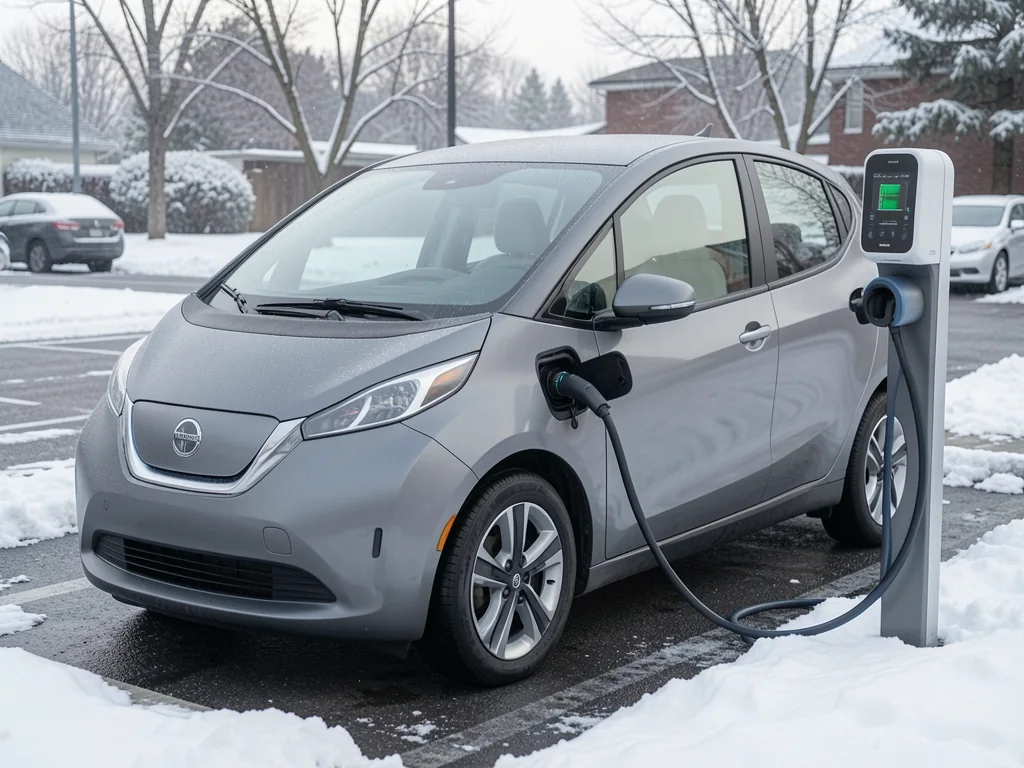
EV battery preconditioning brings the traction pack toward a temperature that better supports the next task, such as DC fast charging or a cold-weather drive. Battery thermal management may heat or cool the pack depending on conditions and vehicle capability. The process does not add stored energy, and cabin climate control is a separate function. Knowing what it does, how to trigger it, and when it is worth using helps set realistic charging expectations.
What EV Battery Preconditioning Does
What is EV battery preconditioning in practical terms? It is a thermal-management step that moves the traction battery toward a temperature suited to an upcoming activity, typically DC fast charging or driving after a soak in hot or cold weather. Depending on pack temperature, ambient conditions, and the vehicle's hardware, the system may heat a cold pack or cool a hot one. The goal is readiness for the next demand, not an immediate change in how much energy is stored in the cells.
Cabin preconditioning and battery conditioning are easy to confuse because both can run while the vehicle is parked or en route. Turning on cabin heat or cooling does not establish that the traction pack is being prepared; those loops serve occupant comfort and may share some hardware without confirming battery temperature control. Preconditioning the EV battery also does not itself add stored charge. State of charge still depends on charging or regeneration. Thermal work uses energy, so the pack or the grid supply covers that demand while temperature is brought into a more useful range.
Why Battery Temperature Matters Before Fast Charging
Battery temperature can limit how much charging power the vehicle will accept at a DC fast charger. A pack that is too cold or too hot may request a reduced rate until thermal management brings conditions into a more suitable window. Preparing the battery on the way to a charger can help it arrive closer to that window, which may allow a stronger start than an unprepared pack under the same weather. Preparation still cannot guarantee advertised peak charging power, because the vehicle's own limits remain in force.
On many supported vehicles, selecting a recognized DC fast-charging destination in the charging route planner can start thermal preparation during the drive. Arrival state of charge still matters: a very high or very low pack can change how the vehicle manages the session. Charger capability, site power sharing among stalls, and battery limits also shape the curve you actually see. Cold-weather charging often looks slower when the pack has not been prepared, yet even a prepared battery cannot override a constrained station or the vehicle's protection logic.
How to Activate Preconditioning in Your EV
How to precondition an EV battery starts with the owner's manual and the in-vehicle menus for that model year and software version. Supported battery-conditioning features differ, and a control that exists on one vehicle may be absent or renamed on another. The common navigation-triggered workflow is to select a recognized DC fast charger in the vehicle's supported charging route planner, then follow any on-screen preparation guidance. That destination-based path is how many cars begin thermal work while you are still driving toward the site.
Some vehicles also offer a manual battery-preparation control. Availability and operating requirements vary, so confirm what the switch actually does and when the system will allow it. Phone navigation, cabin-climate commands, and scheduled departure settings may not trigger fast-charging preparation even when they look similar. A phone map pin is not the same as a recognized charger in the car's planner, and warming the cabin is not proof the pack is being conditioned. Verify the specific control before assuming the battery is being prepared for DC fast charging.
Preparing the Battery for a Cold-Weather Departure
Departure scheduling is a different tool from a charging start time. A supported departure schedule aims to have the vehicle ready at a planned leaving time, which can include cabin comfort, battery preparation, or both, depending on the model. Setting a charging start time only tells the vehicle when to draw energy; it does not by itself mean the pack will be thermally ready when you walk out. Check whether the departure feature conditions the battery, the cabin, or both so you know what will actually be ready.
When the vehicle is plugged in, conditioning can draw energy from the external supply instead of draining the traction pack as aggressively. The available supply may still not cover every heating demand, especially if cabin and battery loops run together on a limited circuit. Preparation uses energy in any case and cannot eliminate temperature-related range or charging limitations. A cold-weather departure that starts with a prepared pack may feel more consistent, yet remaining range and charging behavior still reflect battery temperature, state of charge, and driving conditions after you leave.
When Preconditioning Is Worth Using
When to precondition an EV battery is mostly a question of the next demand. An upcoming DC fast-charging stop is a useful occasion, particularly if the pack has been sitting cold and the vehicle supports charging preparation. Selecting that charger in the supported route planner, or using a documented manual prepare control, gives thermal management time to work before you plug in. The same logic applies less often to a routine AC charging session at home or work, which does not automatically call for a fast-charging preparation mode.
Scheduled cold-weather departures are another worthwhile case when the vehicle offers battery preparation and you have a predictable leaving time. That pairing can reduce the shock of a fully soaked pack at the start of a trip. Ambient air temperature alone does not reveal battery temperature, so skip universal thresholds or fixed preparation times and follow the vehicle's own guidance. If there is no fast-charge stop ahead and no scheduled departure that conditions the pack, leaving the extra thermal work off avoids using energy for little practical benefit.
Checking Whether Preparation Is Working
Confirmation should come from a battery-preparation message, status indicator, or other cue documented for that vehicle. Fan noise, a jump in energy use, or a warm cabin cannot confirm battery conditioning on their own, because those signs can come from cabin loops, cooling fans, or unrelated accessory loads. Some vehicles provide only limited status information, so the absence of a detailed battery-temperature display does not prove the feature failed. Use the documented indicator rather than inferring pack temperature from comfort or sound.
If preparation does not activate, stay parked and review the selected destination, feature settings, any displayed restrictions, and the owner's manual. A charger that the route planner does not recognize, a software setting that is off, or a condition the vehicle will not allow can all block thermal preparation. Persistent thermal-system warnings or repeated unexplained charging limitations deserve professional assessment. Do not attempt high-voltage component access or thermal-system repairs; those systems are not a do-it-yourself diagnosis, and a warning is evidence to interpret, not proof that a specific part has failed.