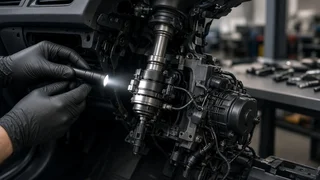
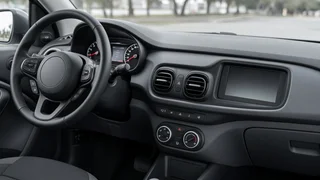
EPS on car dashboard
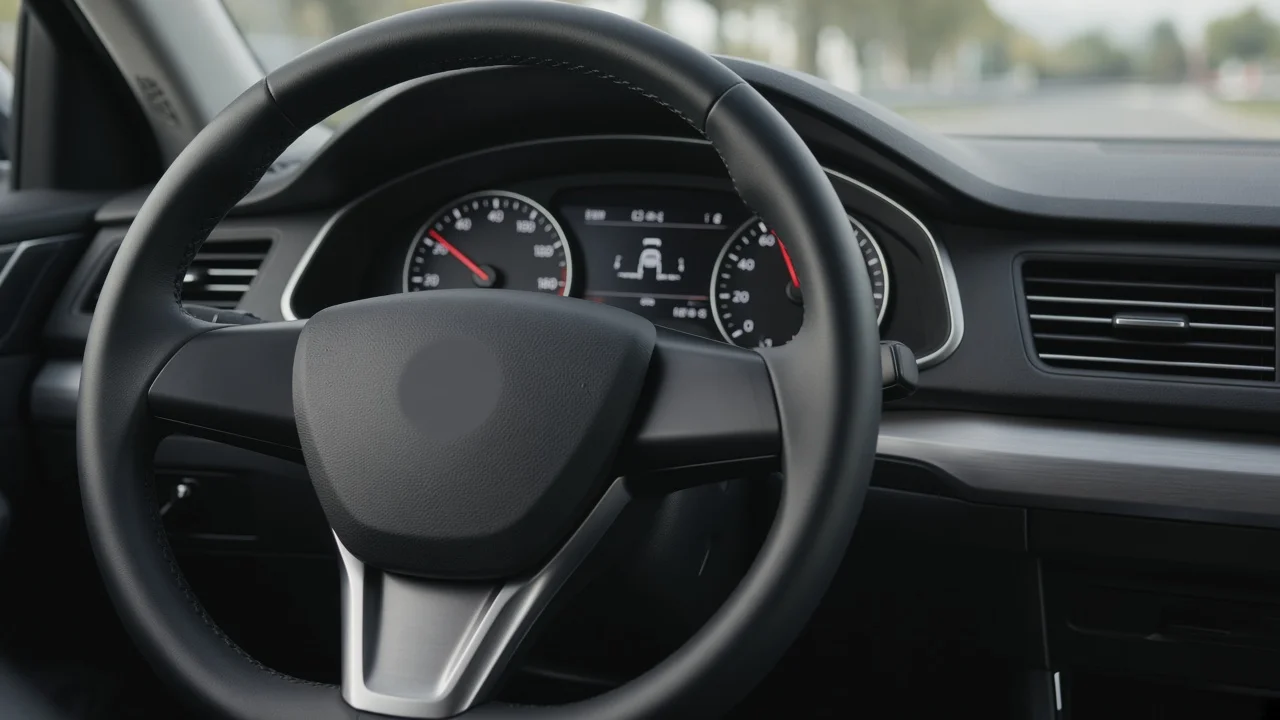
Seeing “EPS” light up on the dashboard can be briefly confusing, but in most US vehicles it refers to Electric Power Steering rather than a separate electronic stability program. This instrument cluster warning indicator may appear as a simple message or a steering-wheel icon, depending on the vehicle. The display message is an operating status alert, not necessarily a confirmed failure. Understanding the basic meaning of EPS in a car dashboard helps a driver separate a normal diagnostic check from a condition that deserves prompt attention and keeps the next drive more predictable.
Essential answer
EPS on a car dashboard typically means the vehicle has detected an issue or a status change in its Electric Power Steering system. Unlike older hydraulic steering, this setup uses an electric motor to reduce driver effort instead of relying only on engine-driven fluid pressure. When the warning indicator appears, the control module has stored a condition that affects steering assist, but that does not prove a specific part has failed. The lamp may remain on because of reduced voltage, a communication interruption, an overheated motor, or a sensor signal outside its expected range.
Because manufacturer-specific labels and indicator behavior vary, the owner manual remains the most reliable place to confirm exactly what the dashboard warning means for a particular model. Some vehicles may display a solid EPS light during a startup diagnostic check, while others use a steering wheel icon with an exclamation point. The essential answer is that the message identifies Electric Power Steering, and the driver should interpret it as a request to evaluate steering behavior safely rather than to assume a repair is immediately required.