EMP Glass Windshield for Polaris RZR: What to Check Before You Buy
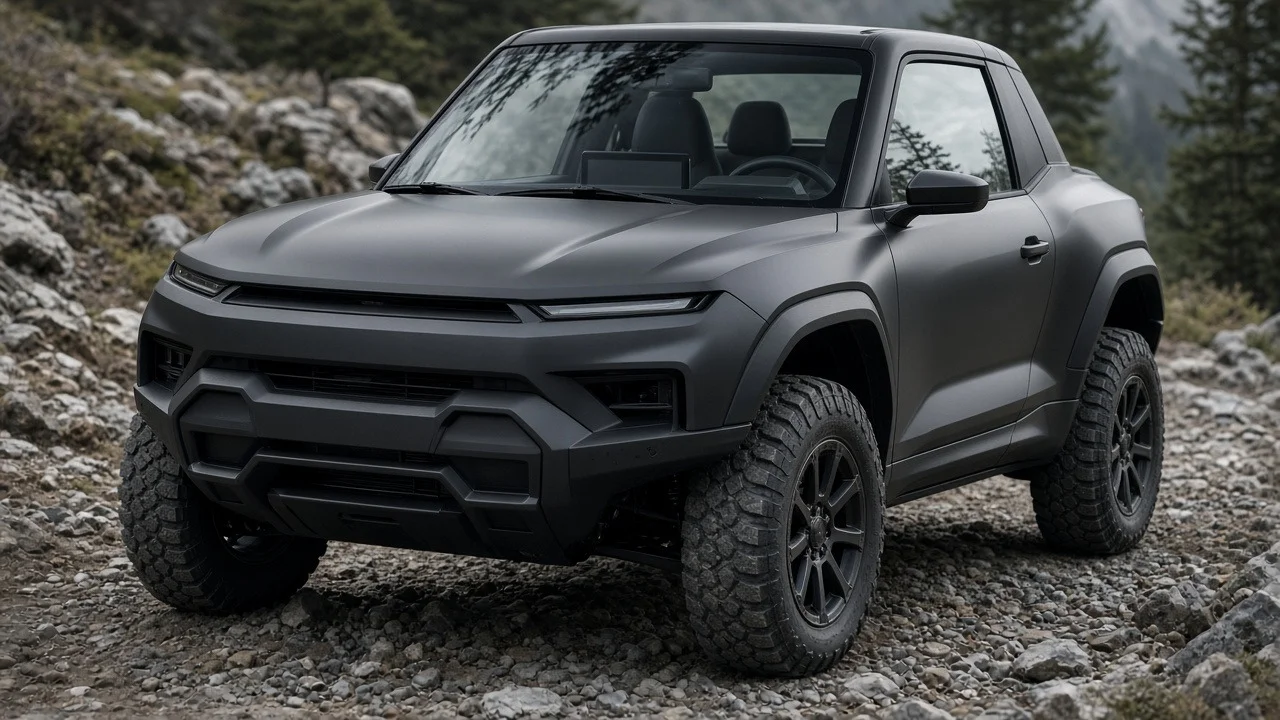
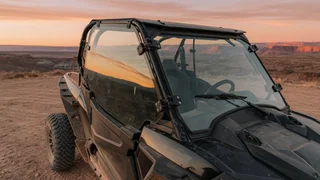
An EMP glass windshield can be a good upgrade for a Polaris RZR if you want a scratch-resistant, clear front screen that works with a wiper. Whether a specific one suits your machine depends mostly on fitment. The windshield has to match your RZR's model, model year and roll cage, and it has to work with any roof, doors or cab parts you already run or plan to add. Confirm those points before you compare features or price.
The short answer
Extreme Metal Products (EMP) is known in the UTV aftermarket for cab components, including glass windshields for side-by-sides. For a RZR owner, the useful question is whether EMP lists a windshield for your exact machine, not whether the brand makes RZR windshields in general. The RZR family covers several platforms and generations, and their cage tubing, dash shapes and mounting locations are not interchangeable. Check the listing against your model, model year and trim. If you have replaced the factory cage, check that too. That one step prevents most return-worthy mistakes.
Fitment comes first
Fitment means the windshield frame, glass shape and mounting hardware line up with your vehicle's cage and cowl, the panel area at the base of the windshield, without gaps or forced bending. In the RZR line, the variables that matter most are:
Platform and seating: two-seat and four-seat versions usually share the front cage geometry within a generation, but confirm this rather than assume it. Model family: Trail, S, XP, Turbo, Pro and R-series machines differ in width, cage design and dash layout. Model year: a redesign can change cage tubing diameter, A-pillar angle or cowl shape even when the model name stays the same. Factory versus aftermarket cage: a windshield built for the factory ROPS (roll-over protective structure) will generally not fit an aftermarket cage unless the cage maker states compatibility. Market: if you bought the machine outside the US, confirm that it matches the US-market specification the listing is based on.
If a listing covers a range of years, check that your year falls inside it. Also look for notes about trims or packages that are excluded. If anything is unclear, contact the seller or the manufacturer with your VIN and model details before ordering. Glass windshields are heavy and fragile to ship, and returns are often harder than for a plastic part.
Glass specification: what type of glass you are getting
Glass windshields for UTVs are usually made from one of two types of safety glass, and the difference matters:
Laminated glass: two layers of glass bonded to a plastic interlayer. If it cracks, the interlayer tends to hold the pieces in place. This is the same principle used in car windshields. Tempered glass: a single heat-treated sheet that breaks into small, blunt granules instead of sharp shards. It resists impacts well, but once it breaks the whole pane is gone.
Check the product description for the glass type and for any marking that shows it meets automotive safety glazing standards. Do not assume the type from the price or from the brand alone. Some buyers prefer laminated glass for a front screen because a chip or crack usually leaves the windshield usable until it can be replaced.
Mounting points and frame design
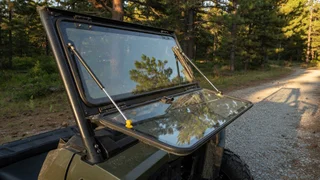
Mounting points are where the windshield attaches to your RZR. Glass is too heavy and rigid to clamp directly to cage tubing, so glass UTV windshields are normally set in a metal frame that attaches to the cage. When you look at a design, check:
How it attaches: clamps that wrap the tube, or brackets that use existing threaded points on the vehicle. Whether drilling is required, and where. The clamp size relative to your cage tube diameter, especially on aftermarket cages. Whether the lower edge rests on the cowl or hood and how that contact is cushioned. Whether the frame leaves room for mirrors, lights, a radio antenna or other accessories mounted on the A-pillars.
A rigid glass panel transmits frame flex and vibration differently than a flexible poly sheet. A well-designed frame isolates the glass from the cage with rubber or similar material. Look at how the glass is held in the frame, not just how the frame holds onto the machine.
Sealing surface and dust control
The sealing surface is where the windshield meets the cage, roof and cowl. A gap there lets wind, rain and dust get past the glass. On an open RZR, a full windshield can also create low pressure in the cab, which draws dust in from behind and through the sides. This effect is often called backdraft.
Check what gaskets or seal strips are included and whether they are designed for your cage profile. If you run a roof, confirm that the top edge of the windshield seals against it. Some roofs and windshields are designed as matched pairs. If dust backdraft concerns you, plan for a rear window or rear panel. A vented or partly opening windshield is another option, if the design offers one. Ask whether replacement seals are available separately, since rubber wears over time.
Visibility and wiper options
Visibility is the main reason to choose glass over polycarbonate. Glass resists the fine scratches that dust, sand and wiping cause on plastic, and it stays clearer over time. Glass also makes a wiper practical. Running a wiper over a polycarbonate screen tends to scratch it quickly.
Wiper: confirm whether a wiper motor and arm are included, offered as a kit, or not supported at all. Washer: some setups add a washer reservoir and pump. Check where the reservoir mounts on a RZR and whether there is room. Wiring: a wiper needs a switched power source. Check whether a harness and switch are included and whether your RZR has a convenient accessory circuit. Some newer Polaris models have pulse-bus or accessory wiring, and others need a direct connection. Tint and glare: clear glass gives the best view at night and in low light. If the windshield has a tint, think about when you usually ride.
Adhesive compatibility and repairs
Most framed UTV glass windshields are held mechanically with clamps, bolts and gaskets, so you usually will not need adhesive to install one. Adhesive comes into play when you repair or reseal the frame, or when you replace the glass in an existing frame. In those cases, use a sealant or urethane rated for automotive glass that is compatible with the frame material and any gasket rubber. Some general-purpose silicones and solvent-based products can attack rubber or fail to bond with certain coatings. If the manufacturer specifies a sealant, follow that guidance, and ask whether replacement glass is sold separately from the frame.
Compatibility with the rest of your cab
A windshield is part of a system. Before buying, list every cab accessory you have or plan to add, and confirm the windshield works with each one:
Roof: hard tops, sport roofs and audio roofs can each change how the top of the windshield seals. Doors: factory doors, half doors and full aftermarket doors meet the A-pillar differently. Cab enclosure kits: if you plan to fully enclose the machine, make sure the windshield fits that path rather than closing it off. Heater or defrost: if you plan to add a cab heater, check whether a defrost vent can reach the glass. Rear window: a matching rear panel helps with dust and noise control.
Trade-offs: glass versus polycarbonate
Factor | Glass windshield | Polycarbonate windshield; Scratch resistance | High; tolerates wiping and wipers | Lower; scratches with dust and wiping unless hard-coated; Impact behavior | Can chip or crack from rocks; laminated glass holds together when cracked | Very impact resistant; flexes instead of breaking; Weight | Heavier, adds load to the cage | Lighter; Wiper use | Practical | Generally not recommended; Cost | Typically higher | Typically lower; Shipping and handling | Fragile and bulky | Easier to ship and handle
Glass is a good fit for riders who ride in rain, mud or snow, use the machine for work, or want long-term clarity with a wiper. Polycarbonate can make more sense for aggressive trail or dune riding, where flying rocks and body flex are common and lower weight matters.
Pre-purchase checklist
Your exact RZR model, model year, seat count and trim are listed as compatible. Your cage is factory, or the aftermarket cage is confirmed compatible. The glass type is stated, along with any safety glazing marking. The mounting method, any drilling required and the included hardware are described. Seals and gaskets are included and replacements are available. Wiper, washer and wiring options are clear, including what is in the box. The windshield works with your roof, doors, mirrors and any planned enclosure. The return policy, shipping damage coverage and warranty terms for a glass part are understood. Replacement glass is available, in case of a cracked pane.
Installation and care basics
A framed glass windshield is heavy and awkward to position, so plan on a second person for installation. Fit the frame loosely first, check alignment and seal contact, and then tighten the clamps evenly to avoid putting stress on the glass. After the first few rides, recheck the hardware, since clamps can settle. To clean the glass, rinse off grit before wiping so you do not drag sand across it, and replace wiper blades when they start to streak.
Next step
Write down your RZR's model, model year, seat count and cage type, along with the cab accessories you already have. Compare that list against the listing for the EMP glass windshield you are considering. If any item isn't clearly covered, get it confirmed by the seller or manufacturer before you order. Once fitment is settled, the decision comes down to glass type, wiper setup and how the windshield fits with the rest of your cab.