Dual control vehicle definition
A dual control vehicle definition describes a car or light truck equipped with a second set of driving controls so a qualified supervisor can operate or override key functions from the passenger seat. This arrangement is most familiar in driver education, where an instructor needs direct access to the brake pedal and sometimes the accelerator or clutch while a student handles the wheel. Rather than being a standalone vehicle type, the term refers to a modification that preserves normal single-driver operation while enabling supervised practice through a parallel pedal linkage and associated driver supervision hardware.
Meaning
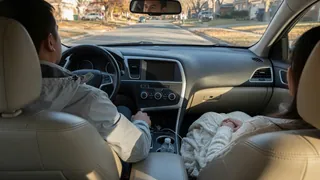
In automotive use, a dual control vehicle is one with auxiliary controls installed within reach of the front passenger or instructor. The additional equipment commonly includes a second brake pedal connected to the existing hydraulic or electronic braking path through a mechanical pedal linkage. Some installations also add an accelerator, clutch, or mirror set, but the defining element is that a supervising occupant can intervene without reaching across the cabin or taking the steering wheel.
The practical significance is strongest in professional driver training and certain fleet or assessment settings. When a student misjudges a stop, the instructor can apply the brake pedal directly, reducing the delay of verbal correction. Vehicle compatibility matters because the mounting points, firewall clearance, and pedal geometry differ among models, so a setup engineered for one body style may not transfer cleanly to another without checking the installation requirements.