Driving Usal Road
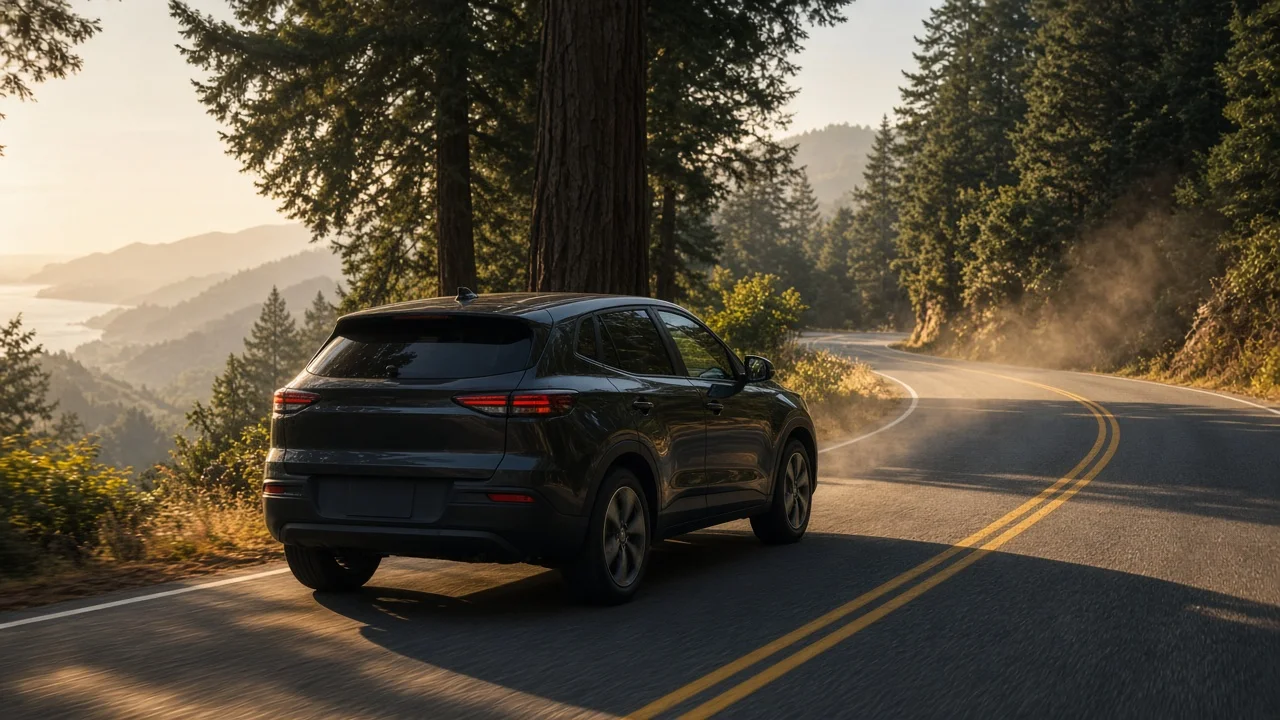
Driving Usal Road means treating the route as a low-speed, access-limited road segment where surface and lane layout can change quickly. The search points to an informational question rather than a confirmed named destination, so the useful answer is a practical framework for reading the travel conditions. Drivers should interpret road classification, traffic signs, and any access restriction as clues about how the road is designed and maintained. That approach helps identify whether the route is suitable for a passenger car, a high-clearance vehicle, or a slower recreational drive.
Essential answer
The essential answer is that Usal Road behaves more like a remote route segment than a standardized highway. Its road classification is not described by one universal standard, so the driver should treat narrow width, unpaved sections, and limited sight distance as ordinary possibilities. A route like this often mixes short straight portions with tight curves, meaning the safe speed is set by what is visible ahead rather than by a posted number that may not appear on every section.
Before entering, look for traffic signs that show seasonal use, permitted vehicle types, or local access limits. If signs are missing or weathered, the lane layout itself becomes the main source of information. A single lane with occasional turnouts does not mean the road is closed; it means meeting traffic requires a different plan. Drivers should reduce speed early, watch for pullouts, and choose a following distance that works on loose or wet material.