Driving up the 395
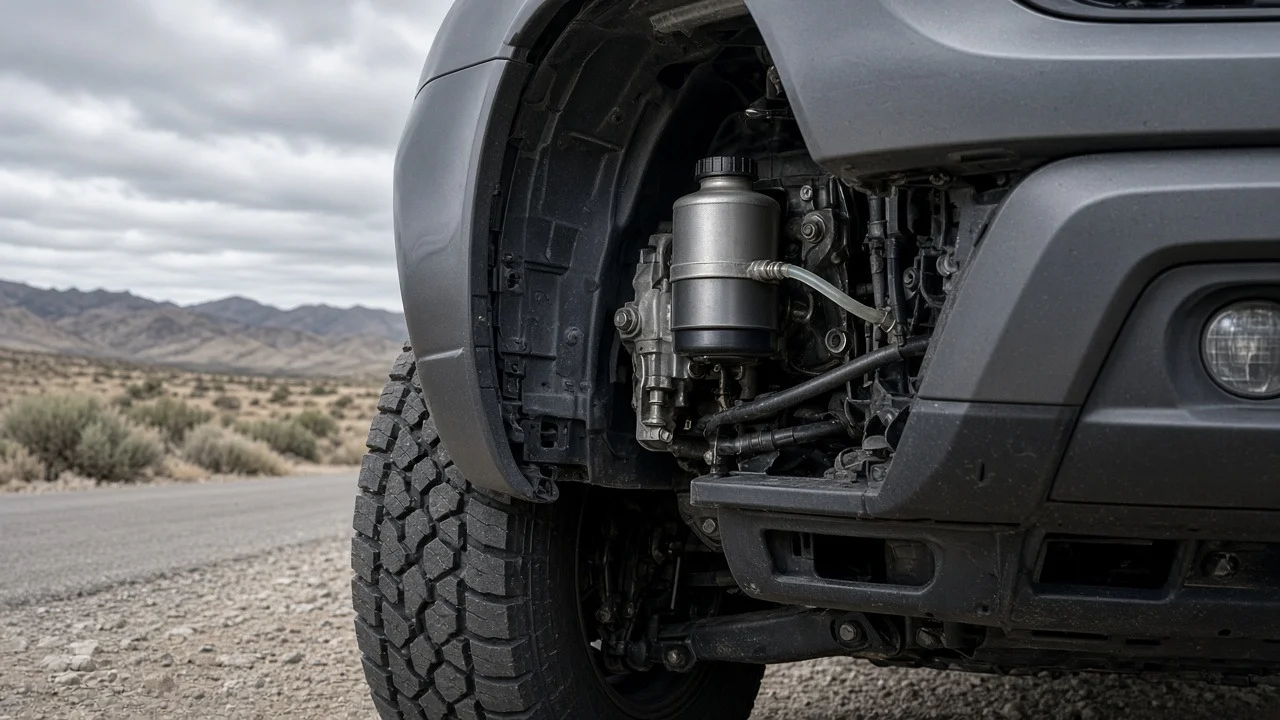
Driving up the 395 is a request for orientation, not a search for a single vehicle specification. The route known as US 395 is a major north-south road through the western United States, and a driver asking about it usually wants to understand what travel conditions to expect. Automotive reasoning here shifts from engine output to road classification and lane layout, because the vehicle's behavior, fuel range, and brake temperatures depend as much on the route segment as on the car itself. This overview explains the essential subject and the practical differences a driver should recognize before setting out.
Essential answer
The phrase “driving up the 395” refers to traveling northbound on US Route 395, a highway that runs through parts of California, Nevada, Oregon, and Washington. As a road classification, it is not a single uniform route segment. Much of the corridor is a rural two-lane road, while developed stretches become multi-lane divided highway. A driver researching this route is usually comparing access restrictions, traffic signs, and travel conditions rather than asking for one numeric fact. The essential answer is that the road is a long, varied highway where planning depends on the specific section being driven.
Because US 395 changes character frequently, the same trip can include open desert basins, mountain passes, and small-town main streets. On rural segments, a driver may encounter longer gaps between fuel stops and fewer passing zones, so the vehicle's range and engine load on grades become more important than on an interstate. In busier sections, the lane layout expands and stoplights or lower speed zones appear. Understanding that this highway does not behave like a controlled-access freeway is the key difference for anyone evaluating what the drive will require.