Drive in Buenos Aires, Argentina
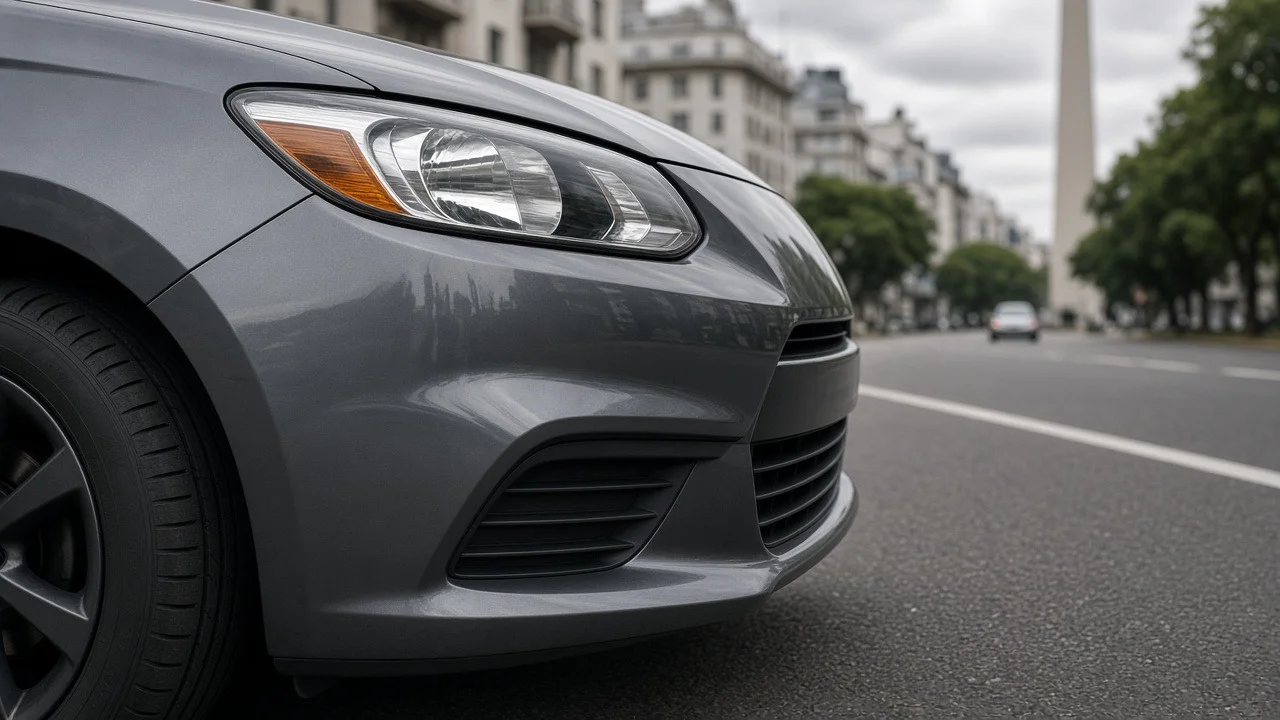
Driving in Buenos Aires, Argentina places you inside one of South America’s largest, most intense urban driving environments. The city combines broad ceremonial avenues, narrow one-way streets, frequent intersections, buses, taxis, motorcycles, and pedestrians moving at different speeds and expectations. For US drivers, the experience depends less on high-speed interstates and more on reading dense lane layouts, interpreting local traffic signs, and adjusting to access restrictions that affect particular route segments. Road classification ranges from major throughfares to compact residential corridors, so travel conditions can change within a few blocks.
Essential answer
The essential answer is that driving in Buenos Aires is legal and possible with a valid home license for temporary visitors, but it is not a relaxed sightseeing cruise. The central districts reward patient, observant drivers who treat every route segment as a sequence of short decisions rather than a continuous free-flowing trip. Lane layout is often tight, traffic can be dense outside peak hours, and many streets alternate direction by time or block, which requires constant attention to signage and painted markings.
Road classification does not consistently match what a US driver expects. A wide avenue may still have lanes reserved for buses or taxis, while an unmarked narrow street may function as a two-way local route. Access restrictions are common around pedestrian zones, government buildings, and central commercial areas. Because travel conditions shift quickly with construction, congestion, and weather, drivers should use the first few trips to learn how traffic signs, curb markings, and signal timing govern movement rather than assuming the patterns of US cities.