Drift Car Differential
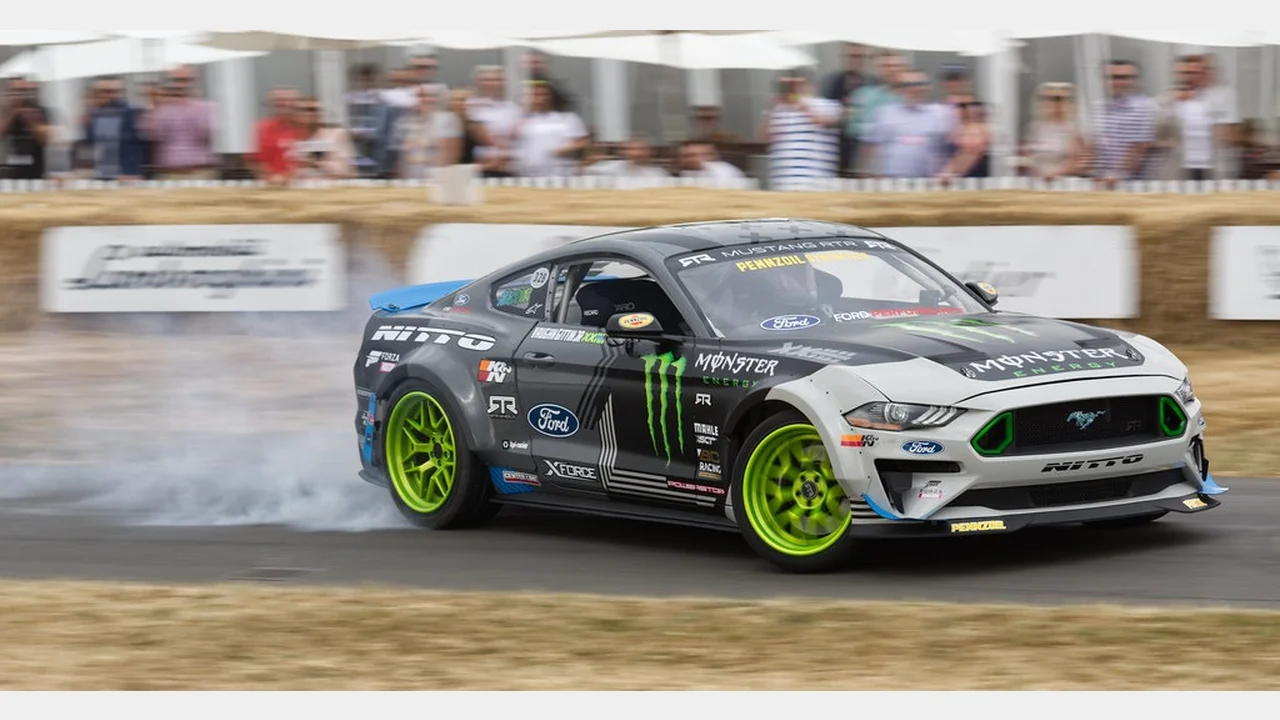
A drift car differential is one of the first components enthusiasts consider when building a slide-capable chassis, because how it distributes torque directly shapes cornering attitude. In drifting, the rear axle must send power to both drive wheels in a predictable way while still allowing enough speed difference for long, sustained slides. Choosing the right differential involves understanding open, limited-slip, and locked or spool-style behavior, plus how each option affects throttle response, steering effort, and tire wear.
Essential answer
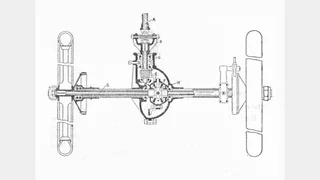
The essential answer is that a drift car usually needs a rear differential that keeps both rear wheels spinning together under hard throttle, rather than sending all power to the inside tire. An open differential naturally routes torque to the wheel with less grip, which makes initiating and holding a drift inconsistent. Upgrading to a limited-slip or welded differential changes that behavior by resisting speed differences between the rear axles, giving the driver more control over the slide.
The best choice depends on how the car is used. A competition-only car may run a welded or spool-style unit for maximum consistency at low cost, while a street-driven drift car often uses a 1.5-way or 2-way mechanical limited-slip differential. Transmission type, fluid specification, and fitment all matter during installation, and shift behavior is less relevant here than the differential's ramp angles and preload. The core upgrade is about altering torque distribution at the rear axle, not simply increasing horsepower.