DOT regulations for trailer safety chains

Trailer safety chains are a primary connection point when a hitch or coupler fails, and DOT regulations establish the baseline expectations for that link. The rules come from the Federal Motor Carrier Safety Administration rather than a single one-size-fits-all statute, so the relevant wording depends on the trailer type, weight, and operating configuration. The measured queries about "dot regulations on trailer safety chains" lead to an informational overview of what the federal standard requires, how chain strength is described, and how the overall towing setup—including tongue weight, axle rating, and gross vehicle weight rating—affects the answer.
Essential answer
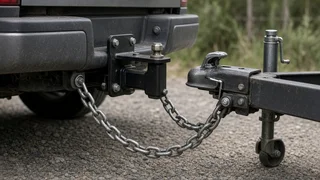
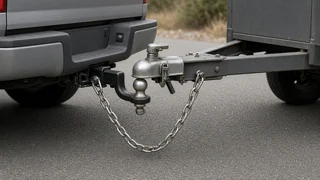
Federal DOT regulations require most trailers to have safety chains or cables that will hold the trailer connection if the primary coupling separates. The chains must be crossed beneath the tongue and attached so they do not drag, and they must have enough strength for the trailer's gross vehicle weight rating. The standard is generally expressed through incorporation of state and industry requirements rather than a single chart, so the exact size, grade, and attachment method depend on the trailer configuration and the applicable federal section.
Although owners often focus only on chain diameter, the regulation is tied to the complete towing setup. A trailer's gross vehicle weight rating and combined weight rating help define the load that the chains may need to restrain during a breakaway. The chains work with the coupler, hitch, and platform, so an overly light chain can be a weak point even when the ball mount and receiver are rated higher. Checking the labeling, welding points, and hook condition is a practical way to align the hardware with the federal expectation.