Does Every Car Have a Differential, Including FWD
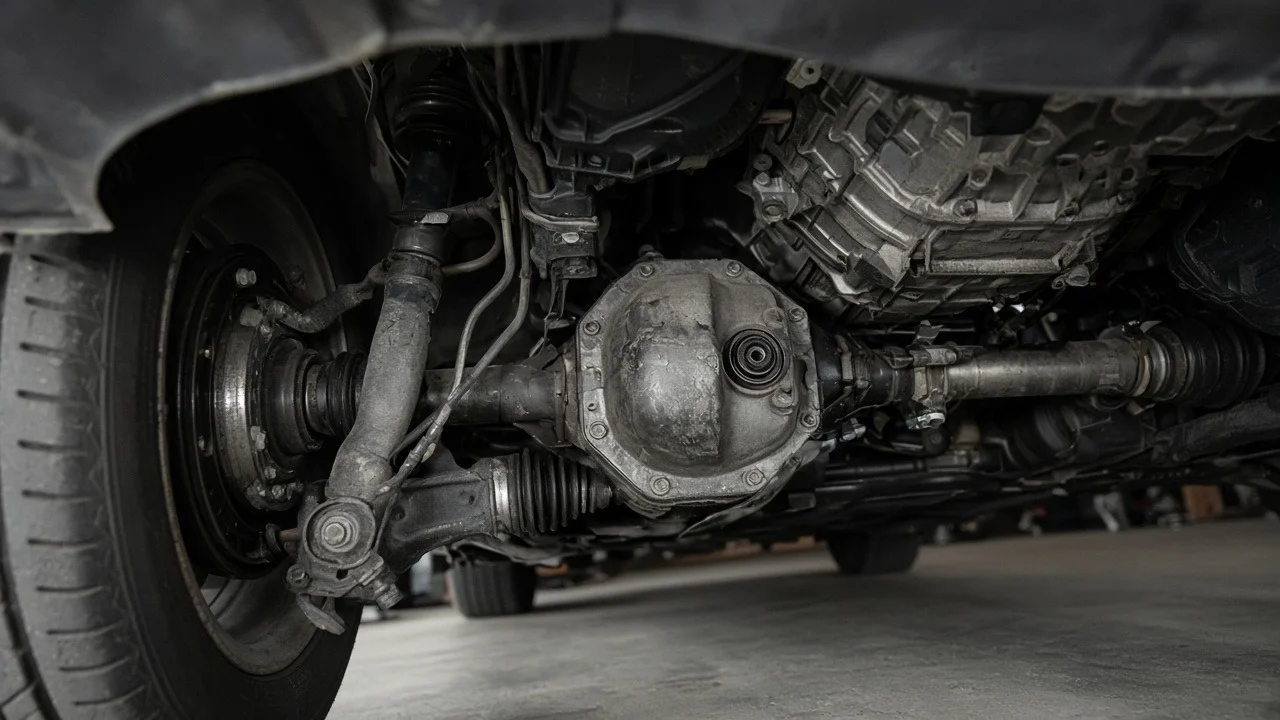
If you are wondering whether every car has a differential, including front-wheel-drive vehicles, the short answer is yes, but the location and packaging change with drivetrain layout. The differential is the gear assembly that lets driven wheels rotate at slightly different speeds during a turn, preventing tire scrub and steering bind. A front-wheel-drive car does not need a separate rear differential because only the front wheels receive engine torque, yet it still contains a differential mechanism inside the transaxle.
Essential answer
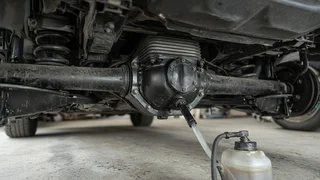
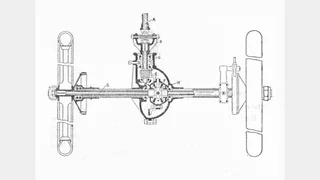
Every production car with more than one driven wheel on the same axle uses a differential. A front-wheel-drive car has one, but it is integrated into the transaxle housing alongside the transmission rather than mounted at the rear. The unit sits between the front drive axles and performs the same speed-splitting job as the rear differential in a rear-wheel-drive vehicle.
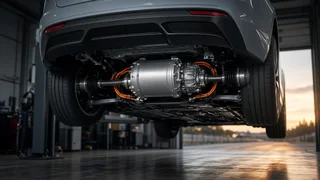
The key qualification is that a FWD car does not have a rear differential. Its rear wheels are not connected to the drivetrain, so there is no gear carrier or axle housing behind the fuel tank. When someone asks whether their car has a differential, the answer depends on drive type: FWD has one in the transaxle, RWD has one at the rear, and AWD or 4WD typically has front and rear differentials plus possibly a center unit.