Dodge Durango trailer sway control
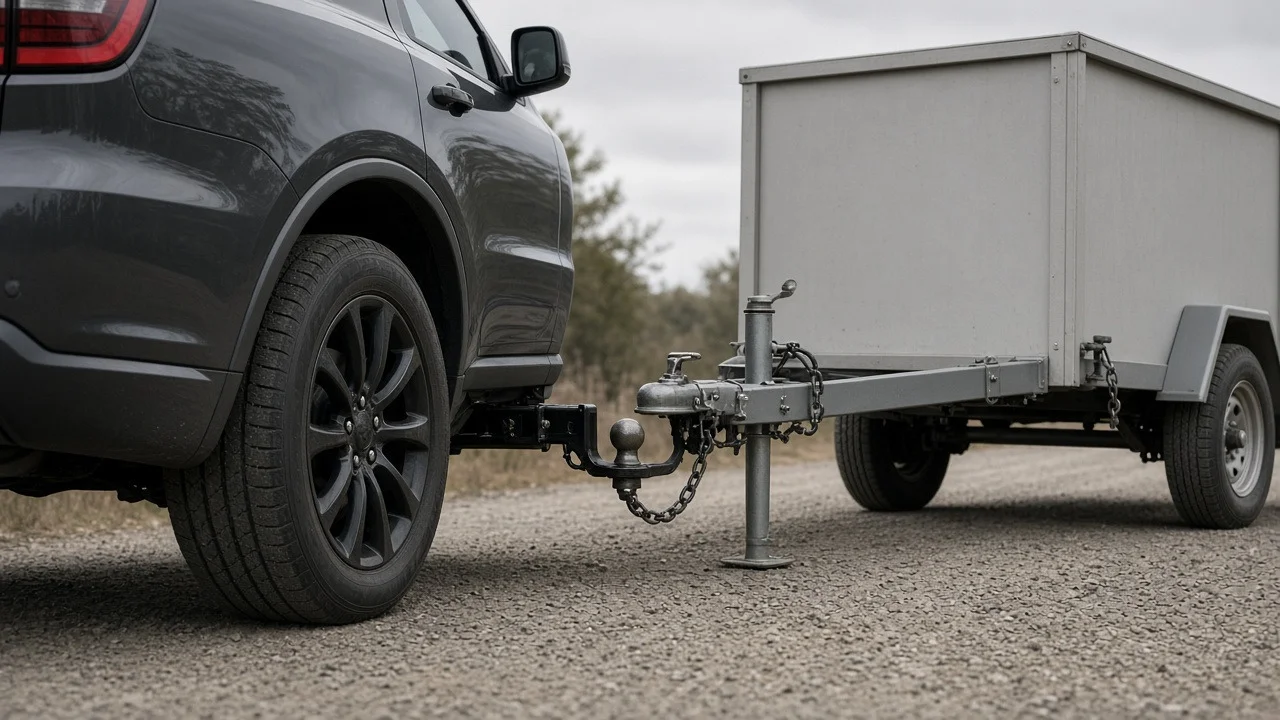
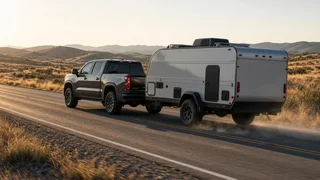
Trailer sway can transform a confident tow into a stressful fight with the steering wheel. For a Dodge Durango owner, trailer sway control is the factory electronic stability feature designed to detect that motion and help bring the combination back in line. It works through the brake and throttle systems, but it cannot overcome a trailer that is improperly loaded, badly balanced, or too heavy for the vehicle. Understanding the system’s role, and its limits, is the first step toward safer towing. It is an assist, not a cure for every instability.
Essential answer
Dodge Durango trailer sway control is an integrated function of the vehicle’s electronic stability control system. When sensors detect a repeating side-to-side yaw pattern at the rear of the truck, the system responds by selectively applying individual brakes and reducing engine torque. This counteracts the trailer’s lateral push and helps the driver straighten the combination. The Durango uses this logic across many configurations, including V6 and V8 models, though the exact calibration can differ with axle rating, wheelbase, and tow package.
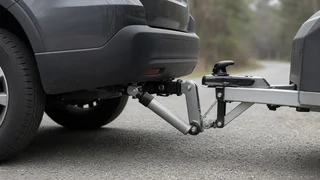
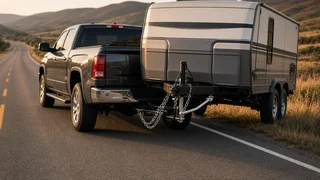
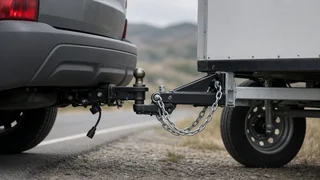
The system is standard or included with specific towing packages on many model years, but it should not be treated as a substitute for correct setup. The feature reacts after instability begins. It cannot measure tongue weight directly, nor can it fix a hitch that places too little load on the rear axle. The best result comes when the electronic aid is combined with a trailer that sits level, has appropriate tongue weight for the load, and stays within the Durango’s gross vehicle weight rating and combined weight rating.