Dodge D150 Wheel Center Bore
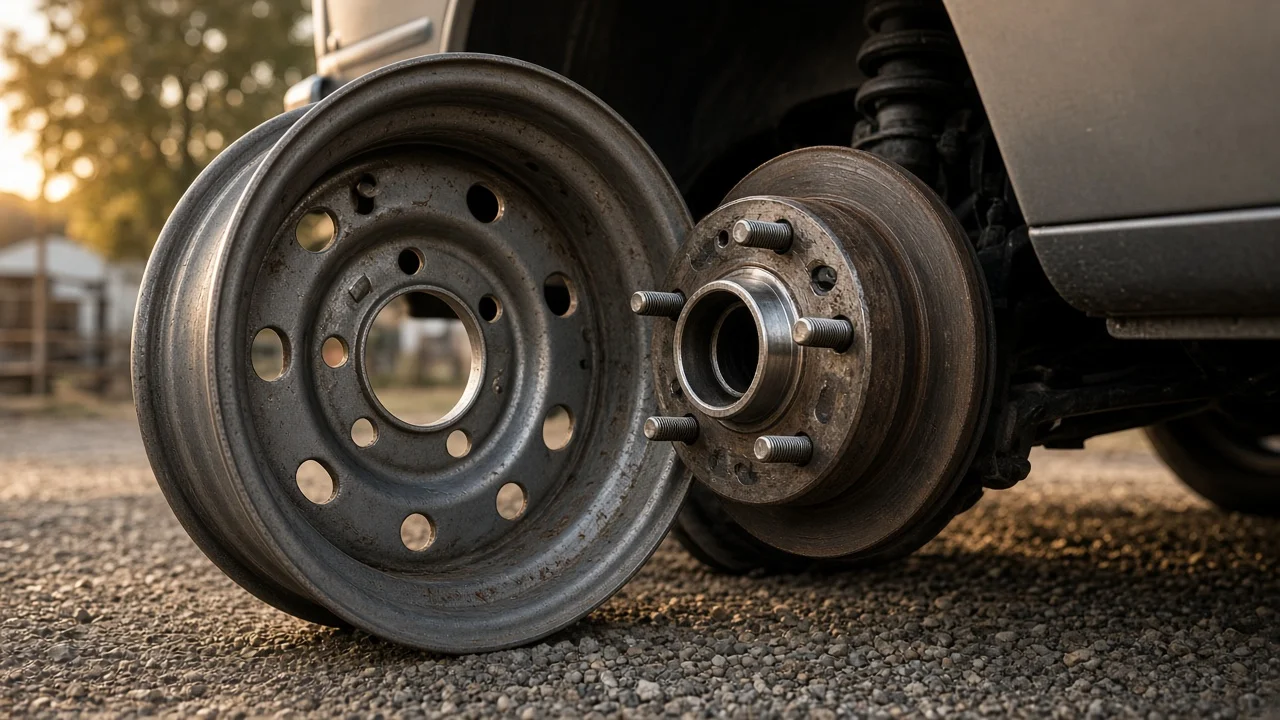
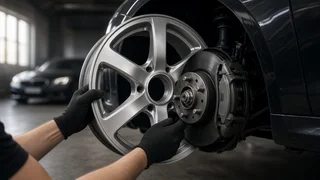
The wheel center bore on a Dodge D150 is the machined hole in the middle of the wheel that fits over the corresponding hub pilot on the truck's axle or rotor. This fit helps center the assembly before the lug nuts are tightened. Because the D150 was produced across several model years and trim packages, the actual dimension can vary. Checking the hub pilot and the wheel bore before purchasing replacement wheels prevents a poor fit that could lead to vibration or uneven wear.
Essential answer
The essential answer is that the Dodge D150 wheel center bore must be confirmed by measuring the hub pilot diameter on the specific truck, rather than assuming a single universal value. Later Ram-based D150 models often used a larger hub register than some aftermarket steel or alloy wheels designed for a broader range of trucks. A wheel whose center opening is slightly larger can still center itself if the lug seats are machined correctly, but a wheel with a bore that is too small will not seat against the mounting surface.
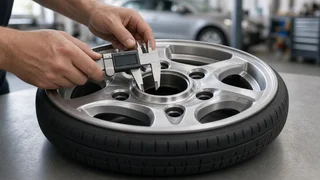
The center bore’s job is to align the wheel close to the axle centerline. When the bore matches the hub pilot with a small fit tolerance, the assembly is considered hub-centric. If the wheel relies only on conical lug nuts to find center, it is lug-centric. A noticeable radial runout or steering wheel shake after installation can indicate the bore is not controlling the wheel position properly. Before changing wheels, measure the clean hub register and the wheel opening with a caliper or similar accurate tool.
Variation between model years makes a single specification unreliable without vehicle-specific confirmation. Some D150 trucks were built with bearing hubs that have the same small-diameter pilot as older Dodge passenger cars, while later designs changed rotor or drum dimensions. An aftermarket wheel catalog may list a range of center bores for this platform. The safest practice is to measure the existing original wheel and the hub together, then compare that value with any replacement wheel being considered.
If the replacement wheel has a larger center bore, a hub-centric ring can fill the gap and restore proper support. The ring must fit both the wheel’s bore and the truck’s hub pilot without forcing. A close fit helps reduce lateral runout and keeps the load distributed through the machined center rather than only through the wheel studs. Do not use a ring to force a wheel onto a hub that is fundamentally different in diameter. You need a clean mounting surface and even torque on a dry or lightly lubed thread as specified for the truck.