Dodge Challenger Models by Year
The Short Answer
The Dodge Challenger was sold in the US in three separate generations, with long gaps between them. The first was a V8-era muscle car of the early 1970s. The second was a smaller, Mitsubishi-built coupe of the late 1970s and early 1980s. The third was a retro-styled muscle car that ran from the 2008 model year through the 2023 model year. Each generation is a different car on a different platform, so "Challenger" alone does not tell you much. You need the model year, and for the modern car the trim and engine as well.
One limitation applies to this guide. The research behind it did not include verified specification sheets, production figures or trim-by-year data. The generation outline below reflects widely documented history. Details such as engine output, option availability and production counts are not stated here and should be confirmed for the exact vehicle you are researching.
Challenger Generations at a Glance
Generation | Model years (US) | Basis | Character; First | 1970–1974 | Chrysler E-body, shared with the Plymouth Barracuda | Two-door pony and muscle car with a range of six-cylinder and V8 engines; Second | 1978–1983 | Rebadged Mitsubishi coupe (sold in Japan as the Galant Lambda; Plymouth sold a version as the Sapporo) | Compact four-cylinder coupe aimed at economy rather than performance; Third | 2008–2023 | Chrysler LX/LC platform, related to the Charger and Chrysler 300 | Retro-styled two-door muscle car offered with V6 and V8 powertrains, including supercharged high-performance versions
How the Generations Differ
First generation (1970–1974): Dodge's entry into the pony-car segment, arriving later than rivals such as the Ford Mustang and Chevrolet Camaro. It shared its E-body underpinnings with the Plymouth Barracuda. Collector interest centers on the early high-performance V8 versions. Later years in this run were shaped by tightening emissions rules and changing insurance costs, which reduced the emphasis on performance.
Second generation (1978–1983): A complete change of direction. This Challenger was a Mitsubishi-sourced compact coupe sold through Dodge dealers. It used four-cylinder engines and has almost nothing in common with the first or third generations beyond the name. Anyone searching for a "classic Challenger" should know that this generation is a distinct, economy-oriented car.
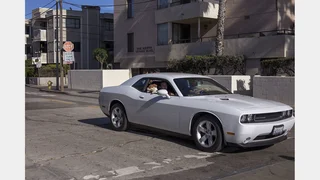
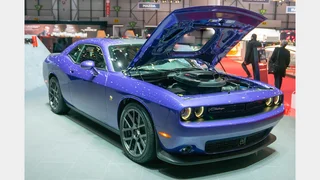
Third generation (2008–2023): The name returned on a modern rear-wheel-drive platform, with styling that deliberately echoed the 1970 car. Over its long run the lineup expanded from an initial high-performance launch model to a broad range. It covered V6 trims, several V8 trims and supercharged high-output variants. Because the lineup changed almost every year, the trim and engine matter as much as the model year when comparing two cars from this generation. Dodge marked the end of this generation with special editions in the 2023 model year. The two-door muscle-car role then passed to the newer Charger rather than a fourth-generation Challenger.
Model Year Versus Build Date
The model year is the year the manufacturer assigns to a vehicle for sale and registration. The build date is the month and year the car was actually assembled. The two often differ. A car is commonly built in the calendar year before its model year, and production of one model year can overlap with the start of the next. So a Challenger titled as one model year may have left the factory months earlier.
For 1981 and later vehicles sold in North America, the 17-character Vehicle Identification Number (VIN) records the model year in its tenth character. The build month and year usually appear on the manufacturer's certification label in the driver's door jamb. Earlier cars, including first-generation Challengers, use shorter, pre-standard VIN formats. Their decoding depends on the manufacturer's own coding for that era, so check a source specific to Chrysler vehicles of that period.
What to Verify for a Specific Car
Model year, confirmed from the VIN rather than an advertisement; Build date, from the door-jamb label, if the timing of a mid-year change matters; Trim and engine, since third-generation cars vary widely within a single model year; For first-generation cars, whether the drivetrain and badging are original, which affects how the car is valued and identified
Gaps in This Overview
This guide does not list year-by-year trims, engine outputs, prices or production numbers, because verified figures were not available for it. For those details, consult official Dodge or Stellantis documentation, a VIN decode of the specific vehicle, or a recognized marque registry for classic models.