Do Toyota Engines Have a Timing Belt or Chain
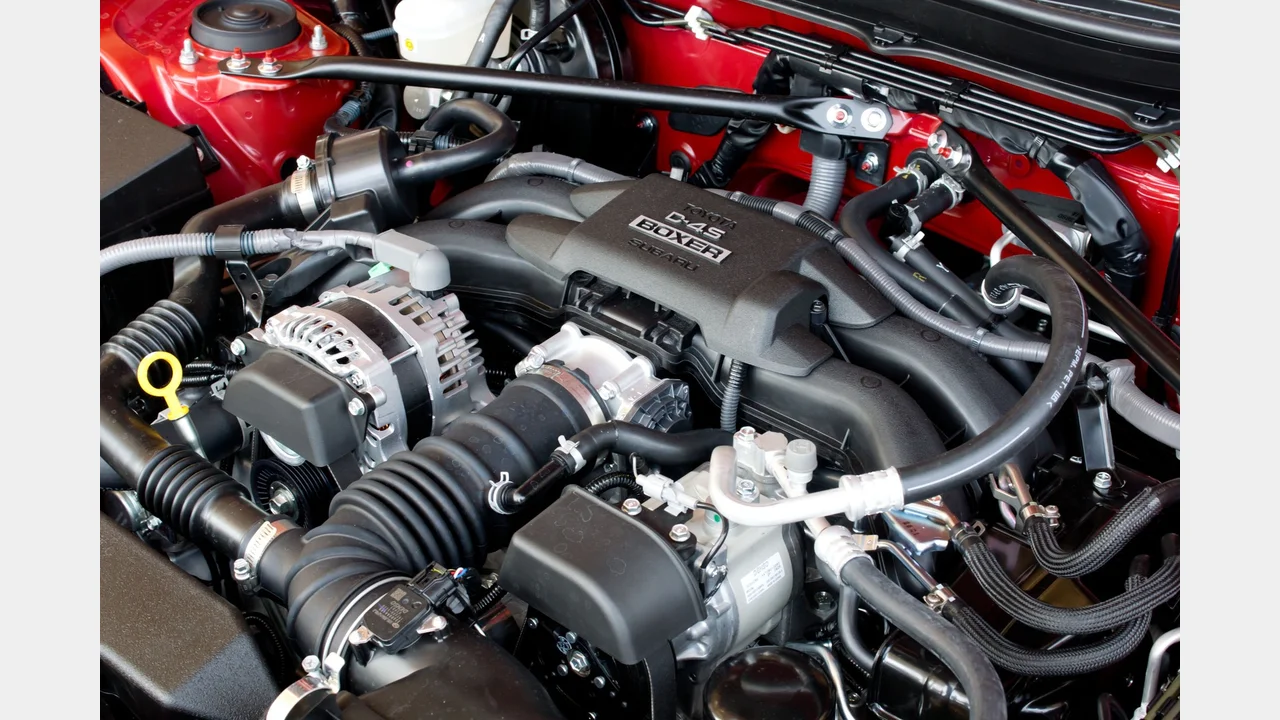
Toyota owners often ask whether their engine uses a timing belt or chain, because the answer changes replacement costs, inspection habits, and the risk of sudden valvetrain damage. Across the Toyota lineup, most modern gasoline engines rely on a timing chain, while a smaller number of older or specialized designs use a timing belt. The distinction matters when researching a 5.7 V8, a 1.8 four-cylinder, a 2.4, 2.5, or 2.7, a 2.8 diesel, or a D-4D engine. Confirming the specific configuration helps an owner interpret maintenance recommendations, unusual engine noise, oil condition, and driveability symptoms before they become expensive.
Essential answer
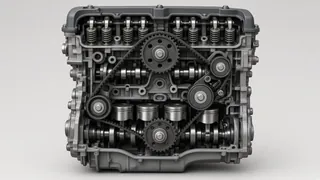
The direct answer is that most Toyota engines have a timing chain, but not every Toyota engine does. A timing chain runs inside the engine, typically lubricated by engine oil, and is designed to last the life of the engine under normal service. A timing belt is a reinforced rubber component that follows a replacement interval because its teeth, backing, and tensioner wear with age and mileage. When a shopper asks, “Do Toyota engines have a timing belt or chain,” the accurate response depends on the exact engine family and generation rather than the Toyota badge alone.
For a Toyota 5.7 engine, the common V8 design uses a timing chain. The same general preference for chains appears in many Toyota 1.8 engines and in the widely used 2.4, 2.5, and 2.7 four-cylinder families, though some older examples may use a belt. The Toyota 2.8 diesel and D-4D engine families can vary by market and generation, so the valvetrain drive type should be confirmed against the engine code or service information for that specific vehicle. A chain is quieter in some installations, but its real advantage is that it usually avoids a scheduled belt replacement. Even so, a chain can fail or stretch if oil pressure, oil level, or tensioner condition is neglected.