Do Car Washes Prevent Rust? How Often to Wash Your Car
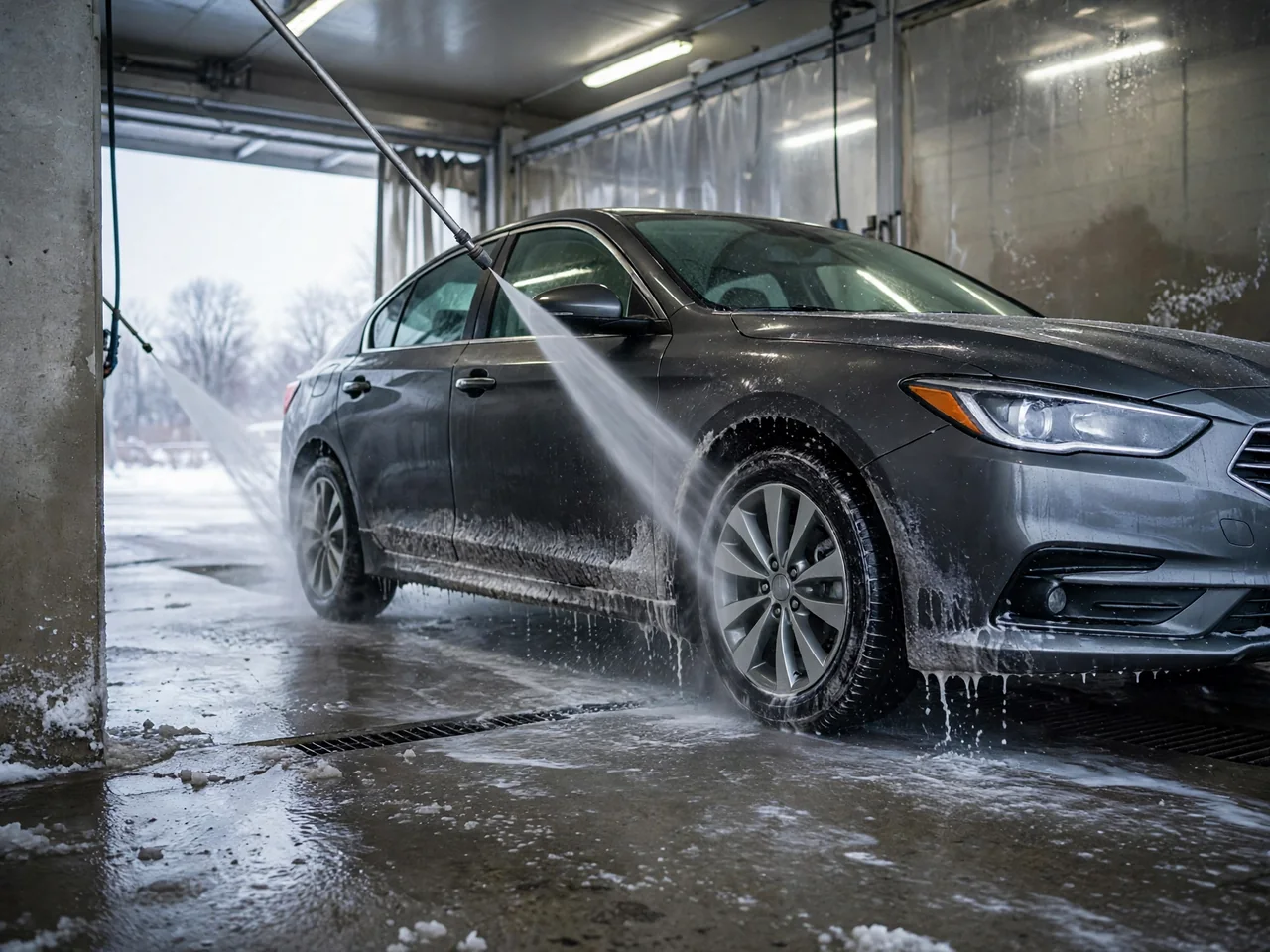
Rust is a relentless enemy for any vehicle, especially in regions where road salt and moisture attack exposed steel. Many owners wonder: do car washes prevent rust? While no wash can completely stop corrosion, a regular car wash—especially one with an underbody rinse—removes the salt, grime, and trapped moisture that accelerate oxidation. Understanding how often to wash your car to prevent rust helps preserve sheet metal, rocker panels, and suspension components over the long term.
How Regular Car Washes Help Slow Rust
Car washes reduce rust risk by removing contaminants that hold moisture against metal. Road salt and brine are hygroscopic, meaning they attract water, forming a conductive film that speeds oxidation on bare steel. Dirt and grime also trap dampness in wheel wells and lower body areas. By rinsing these deposits away before they linger, you interrupt the corrosive cycle. Washing does not add rustproofing, but it keeps the existing paint and undercoating effective for longer.
The clear coat and paint layers are the primary barrier between steel and oxygen. When a car goes unwashed, abrasive particles and salt can etch that coating, especially where stone chips have already exposed bare metal. Regular washing preserves the clear coat by preventing chemical buildup and micro-scratches from grinding in dirt. Even a basic rinse reduces the time that corrosive salts sit on vulnerable edges, allowing the factory protection to do its job.
Why the Underbody Rinse Matters Most for Rust Prevention
The underbody is where rust typically begins because it collects the most salt, mud, and water splash. Wheel wells, rocker panels, and lower door edges are prime corrosion points due to constant bombardment from the road. An underbody spray or rinse is designed to blast away these deposits with high-pressure water, reaching areas that gravity-fed rinses miss. After driving on treated winter roads, an undercarriage rinse is the single most important step in a rust-prevention wash.
Automatic underbody sprays may not reach every seam, pocket, or enclosed drain cavity. Their fixed nozzles follow a standard pattern that can leave salt caked in crevices. After a wash, visually inspect accessible areas—without crawling under an unsupported vehicle—for packed mud or salt crust in wheel wells and behind lower trim. A self-serve wand can then be used to target those spots directly. Always park on level ground and use a flashlight rather than risking injury.
What a Car Wash Can't Do Against Rust
A car wash cannot reverse rust that has already formed. Once bubbling, flaking, or perforation appears, the metal has begun to convert to iron oxide. Washing away surface contaminants may slow further spread, but it will not restore structural integrity. The damaged area will continue to hold moisture and oxygen, accelerating localized corrosion. Only removal of the rust and repair with proper treatment or panel replacement can address existing damage.
Even a spotless car can rust from stone chips and scratches that penetrate to bare metal. Road debris exposes raw steel, which then oxidizes regardless of wash frequency. Corrosion inside enclosed panels, seams, and frame rails can also progress where water and soap never reach. Visible rust on structural components like suspension arms, brake lines, or fuel lines should be inspected by a qualified shop, since compromised parts can fail suddenly and are unsafe to judge by eye alone.
How Often to Wash Your Car to Prevent Rust
The right wash frequency depends on your local environment and driving conditions. In regions with heavy road salt, coastal air, or unpaved roads, more frequent washing is necessary to prevent rust. Damp climates and high humidity speed oxidation, while a dry inland garage-stored car can go longer between washes. General guidance suggests washing every two weeks in winter if roads are salted, but after particularly slushy or salty drives, a rinse soon after is wise.
During winter, aim for a thorough wash with an underbody rinse whenever temperatures rise above freezing, and at least once at the end of the season to remove accumulated salt. In mild, dry climates, a wash every few weeks may suffice, but bird droppings, tree sap, and bug remains should be removed promptly because they etch paint. There is no fixed schedule for every car or region; adjust based on what you see and where you drive.
Choosing the Right Type of Wash for Rust Protection
Different wash types vary in how well they remove salt from lower areas. Touchless automatic washes use high-pressure water and chemicals without brushes, reducing paint scratching but sometimes leaving a film if drying is poor. Soft-touch automatics agitate dirt more effectively but can trap grit in their cloths. Hand washing gives the most control, but reaching the underbody is difficult. A self-serve wand station is especially useful because you can direct a high-pressure spray into wheel wells, rocker panels, and suspension components.
In freezing weather, washing requires extra care. Water can freeze in door locks, seals, and hinges, causing freeze-ups. After washing, wipe down door jambs and apply a silicone spray to rubber seals to prevent sticking. Park in a ventilated area or drive for a few minutes to help dry hidden cavities. Avoid applying hot water to a frozen car, as thermal shock can crack glass or damage trim. No specific brand or chemical is necessary; simple diligence matters most.
Habits That Extend Rust Protection Between Washes
Wax or paint sealant adds a sacrificial layer that makes water bead and roll off, carrying salt and dirt with it. This reduces the time corrosive contaminants stay in contact with the clear coat. Reapply wax every few months, especially before winter. Keeping body and door drain holes clear is equally vital; clogged drains trap water inside rocker panels and doors, causing rust from the inside out. Use a thin wire or pick to gently clear debris from these openings after washing.
Inspect for new paint chips after winter and touch them up promptly with matching paint, even if it's just a small dab. A bare metal chip will rust within days in salty conditions. Avoid storing a wet, salty car in a warm garage, as heat accelerates corrosion; instead, rinse the underbody before parking and ensure ventilation. Undercoating or rustproofing products can help but vary in quality; a reputable shop can advise whether they suit your vehicle's existing condition and age.