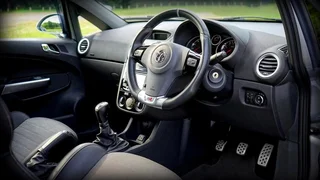
Diagnose Vauxhall Corsa engine warning light
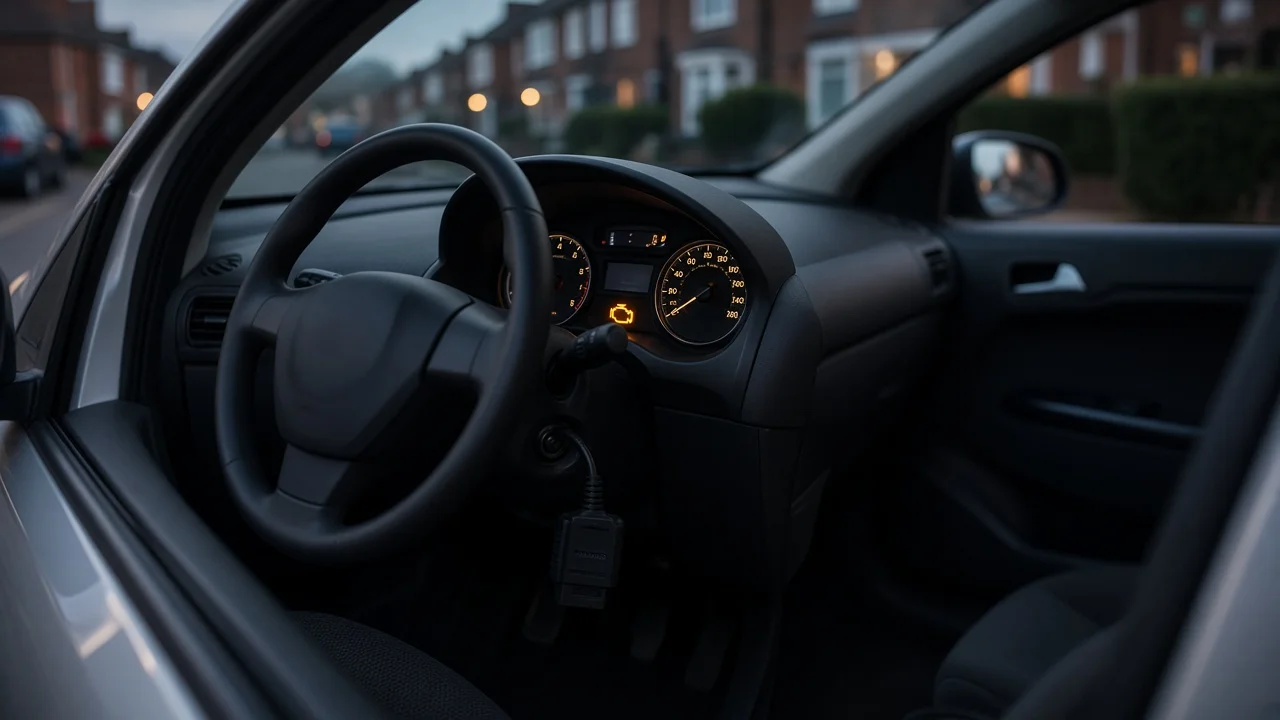
A glowing engine warning light on a Vauxhall Corsa is the instrument cluster's way of reporting that the powertrain control system has stored a diagnostic trouble request. It does not, by itself, name a failed part. The indicator can appear steady or flashing, and the meaning depends on driving behavior, recent service, fuel, and any display message or roughness accompanying it. A careful owner can narrow the causes, but the warning should be treated as an operating-status change that needs interpretation rather than a single definite fault.
Essential answer
The engine warning light Corsa drivers see is part of the onboard diagnostic check. When the key is first turned, the warning indicator illuminates briefly as the control module proves the circuit works. If it stays lit after starting, the module has detected a value outside the expected range from an emissions, ignition, fuel, or sensor circuit. A steady light usually means the vehicle can continue to be driven cautiously while the condition is investigated, but a flashing light indicates a misfire condition that may harm the catalytic converter if operation continues.
Reading the owner manual is the fastest way to distinguish routine operation from a fault. Some Corsa models may also show a reduced-power display message, rough idle, or a change in fuel use when the light appears. The same warning indicator can store several possible causes, so the lamp is evidence of a recorded condition, not proof that a specific sensor or coil has failed. Begin by noting exactly when the light appeared and whether engine sound or response changed at the same moment.
Diagnosing a problem
Start with observable checks that do not require guessing at internal damage. Confirm the fuel cap is tight, because a loose cap can allow evaporative pressure to vary and trigger a diagnostic code. Note whether the engine starts normally, idles smoothly, accelerates without hesitation, and produces unusual smell, smoke, or sound. A light that appears immediately after refueling, a battery disconnect, or a wet underhood condition may be related to a temporary operating condition rather than a mechanical failure.
If the vehicle remains smooth and temperatures are normal, the next useful step is retrieving the stored fault code with a scan tool. Treat the code as a starting point: a misfire code points to a cylinder, but the cause may be spark, fuel delivery, compression, or a sensor input. A manufacturer-dependent code may require Vauxhall-specific confirmation before parts are replaced. Stop driving and seek professional diagnosis if the light flashes, engine power drops suddenly, coolant temperature rises, oil pressure warning appears, or strong fuel odor develops.