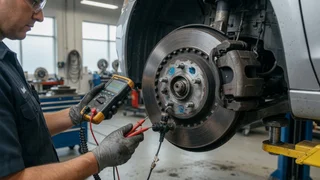
Diagnose 2005 Prius ABS and brake lights
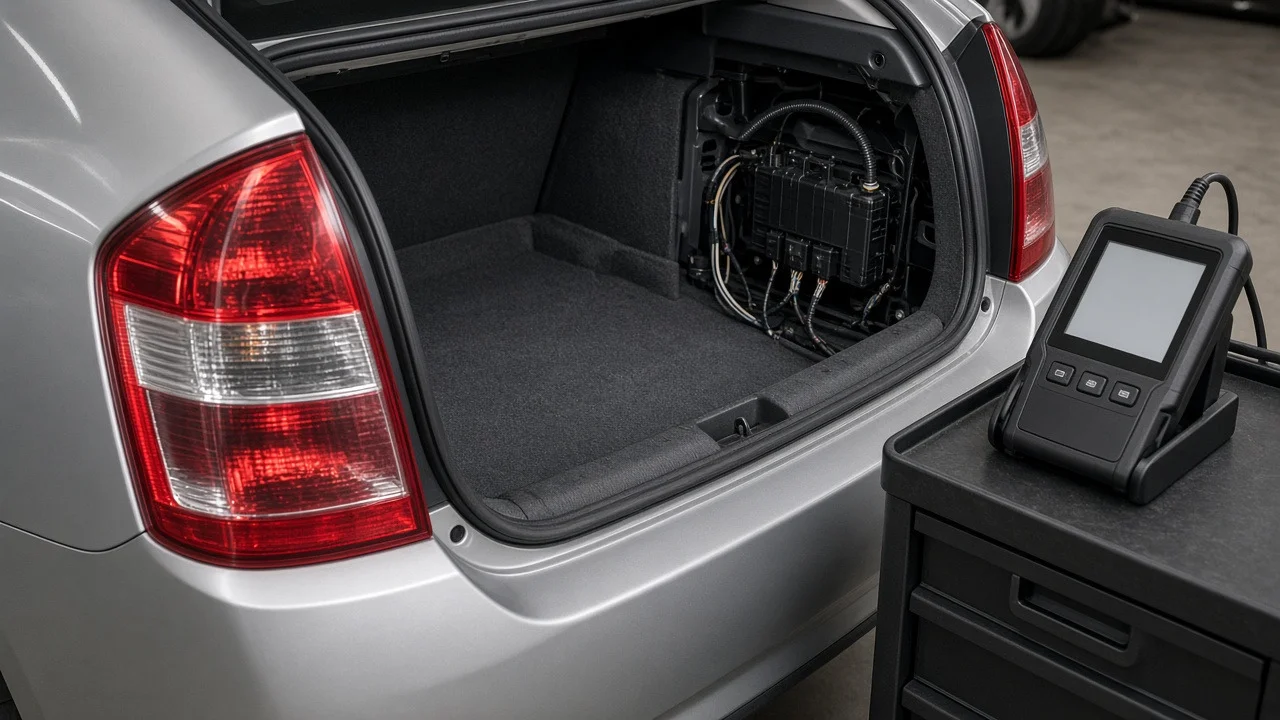
A 2005 Prius displaying both the ABS and brake warning lights is signaling that at least one subsystem is reporting a condition outside normal parameters. Because the regenerative and hydraulic braking systems share sensors, actuators, and control logic, the warning pair does not automatically mean total brake failure. It is a request to stop relying on assumptions, observe how the pedal and braking behave, and identify whether the issue is electrical, hydraulic, or related to stored diagnostic information before deciding how urgent the repair is.
Essential answer
The essential answer is that simultaneous ABS and brake lights on a 2005 Prius indicate a detected fault within the anti-lock braking system, the hydraulic brake circuit, or a shared input such as wheel speed data. A red brake warning generally points to issues like low brake fluid, parking brake position, or a hydraulic pressure concern, while the amber ABS light usually involves wheel speed sensors, the ABS actuator, or control module communication. When both appear together, a common control-area problem is more likely than two unrelated failures.
On a Prius of this generation, the warning lights can also appear when the electronically controlled braking system receives inconsistent information during startup, after a voltage drop, or following work near a wheel speed sensor. The lights are diagnostic evidence rather than proof of a specific failed part. The reader should first note whether the lights stay on continuously, come on only while moving, or appear with altered pedal feel. That observation narrows the difference between a stored trouble condition and an active hydraulic or sensor malfunction.
Diagnosing a problem
Begin diagnosis with the conditions that are simple to observe. Check the brake fluid level at the reservoir and confirm the parking brake is fully released, because both can trigger a brake warning and may coincide with an ABS fault in stored memory. Inspect for signs of fluid leakage near the master cylinder, brake lines, calipers, or wheel areas. A low level may indicate worn friction material or a leak, but adding fluid does not repair the underlying cause and may temporarily hide a consumption problem that should be understood before continued driving.
The next diagnostic step is to retrieve any stored ABS trouble codes from the vehicle diagnostic connector. A code identifies a circuit, sensor, or actuator that returned data outside the expected range, not a failed part by itself. For example, a wheel speed sensor code may stem from reluctor ring corrosion, wiring damage, a connector issue, or the sensor itself. Manufacturer-dependent codes require confirmation on this specific model. If braking distance increases, the pedal drops, or fluid is visibly leaking, stop driving and arrange professional diagnosis before further use.