Detroit Series 60 Radiator Cap Pressure
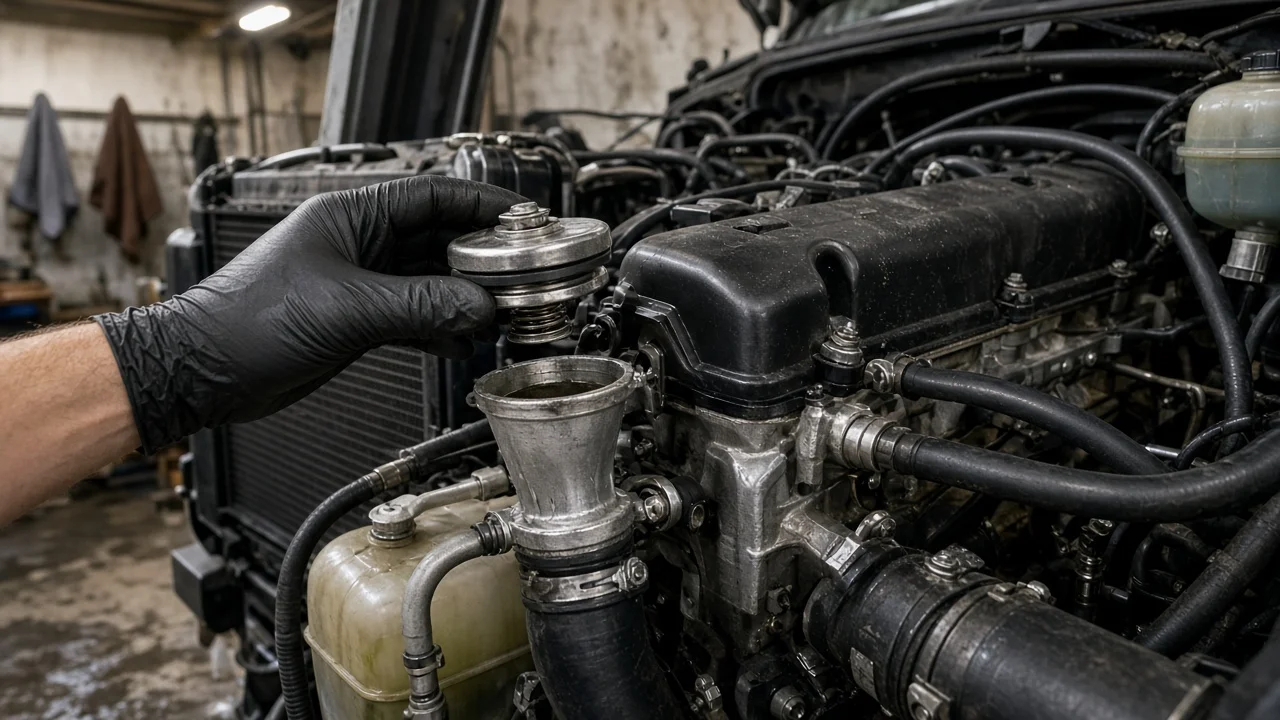
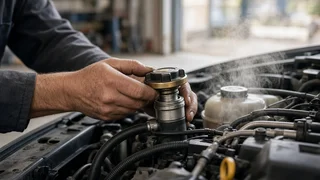
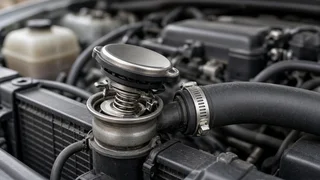
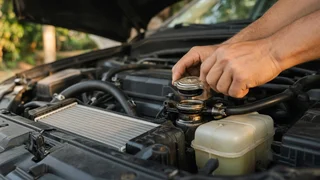
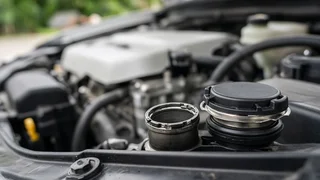
Getting the cooling system right on a Detroit Series 60 matters because the pressure rating of the radiator cap directly shapes how the cooling circuit behaves under load. The cap is more than a closure; it is a calibrated valve that raises boiling temperature, manages coolant expansion, and helps prevent air pockets. For owners researching Detroit 60 Series radiator cap pressure, understanding that rating can clarify overheating symptoms, coolant loss, and whether a replacement cap matches the intended operating range of the engine.
Essential answer
The essential answer is that the cap rating must match the pressure range the cooling system was designed to hold, not simply fit the filler neck. A pressure cap raises the coolant boiling point above the normal atmospheric limit, so the engine can run hotter internally without the coolant flashing to vapor inside the radiator or cylinder head passages. This pressure also controls when excess coolant moves to the recovery bottle and when it is drawn back as the engine cools. If the rating is too low, the cap vents early and can create localized boiling and air pockets at high load.
Because Series 60 applications vary by chassis builder, radiator vendor, and cooling package, the exact cap rating is best confirmed from the vehicle build data or the stamping on a known correct replacement cap. The cap pressure is an evidence point, not a standalone fix. A system that builds pressure too quickly may be showing combustion gas entry, a failing thermostat, or restricted coolant flow rather than a weak cap. Interpreting cap behavior therefore means comparing observed coolant loss, temperature behavior, and pressure retention with the intended cooling circuit, not assuming the cap is always the cause.