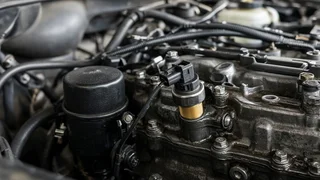
DD15 Oil Pressure Sensor Location
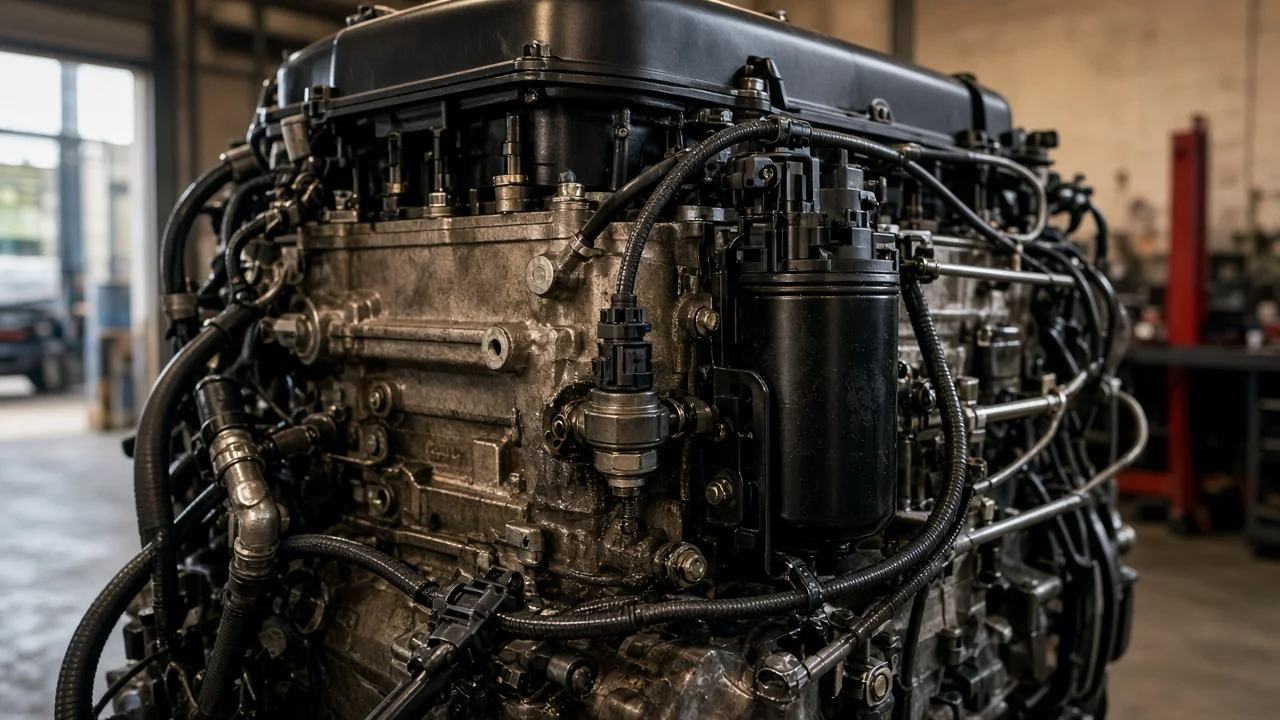
Locating the oil pressure sensor on a Detroit DD15 begins with understanding what the component monitors and why its position matters for diagnosis. The sensor reads lubricant pressure inside the main oil gallery and converts that value into a signal for the engine control system. A low or erratic reading may be caused by the sensor itself, the wiring, oil level, or actual pump wear. Knowing the typical mounting area helps separate an electrical fault from a mechanical oiling problem before replacing parts or interrupting service.
Essential answer
The DD15 engine oil pressure sensor is generally mounted on the left side of the engine, often near the oil filter housing, the oil cooler cover, or the main oil gallery area. The exact position can vary by model year, chassis packaging, and emission configuration, so the sensor should be confirmed against the specific vehicle build. Its role is to report gallery pressure to the engine control module, which uses that signal for warnings, derate strategies, and protection logic.
When a DD15 shows a low oil pressure warning, the sensor location matters because the reading is only one part of the diagnostic picture. An electrical connector that is loose, oil-soaked, or damaged can mimic a genuine pressure drop. Checking the sensor and its circuit near the filter housing or gallery fitting is a practical early step, but the location alone does not identify the failed part. Actual pressure should be verified with a mechanical gauge before major repairs.
Identification and location
The oil pressure sensor is typically a small cylindrical sender with a one- to three-wire electrical connector. It threads into a port on the oil filter housing, oil cooler assembly, or an adjacent gallery boss. On many DD15 installations, it sits close to the oil filter and crankcase ventilation plumbing, where moderate heat and vibration make connector condition part of a careful inspection.
Because harness routing and accessory placement affect the visible location, two DD15 engines in different trucks may position the sensor at slightly different angles. Following the oil pressure circuit from the filter housing or oil cooler is often more reliable than matching an online photo. Before replacing a sensor, confirm the connector is fully seated and the wiring shows no abrasion. Manufacturer-dependent codes and pressure thresholds require vehicle-specific confirmation, since the same fault can result from different calibration logic.