Datsun sports cars

The Datsun sports car story blends lightweight engineering with widely varying model years, body configurations, and market segments. Enthusiasts researching this category often want a practical view of what made these vehicles distinct and how to evaluate one today. Understanding available powertrain options, equipment levels, and regional availability helps turn a broad interest into a useful ownership or purchase framework. This overview explains the essential scope of the subject and the characteristics that separate a genuine sports model from other Datsun products.
Essential answer
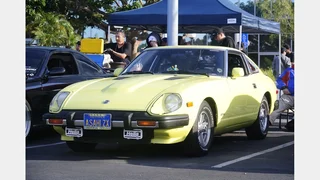
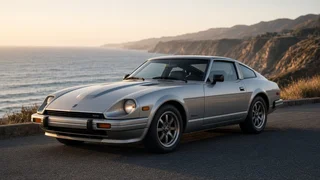
A Datsun sports car is generally understood as a nimble, rear-wheel-drive model built around a compact chassis and an emphasis on direct driver feedback. The essential answer to the question, however, is that the label spans more than one design philosophy. Early roadsters prioritized simple mechanical access and low curb weight, while later models added aerodynamic bodywork, more refined suspension geometry, and broader market appeal. Identifying a specific model year is therefore the first meaningful step, because the driving character changed as emissions rules and consumer expectations shifted.
The scope also changes with body configuration and regional availability. A two-seat convertible and a fixed-roof coupe may share core engineering yet wear different sheet metal and interior treatments. In the US, the sports car identity was shaped by imported examples that often arrived with different equipment levels than home-market cars. Powertrain options further define the essential answer: a small-displacement overhead-cam engine and manual transmission remain central to the sporting character, while larger or automatic variants leaned toward comfortable touring rather than pure performance.