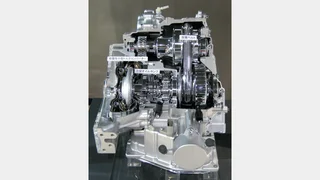
CVT transmission oil capacity

Determining the correct CVT transmission oil capacity is more than a number; it is the foundation of a successful fluid service. Unlike a simple drain-and-refill on some conventional automatics, a continuously variable transmission depends on precise fill quantity, the correct lubricant specification, and a manufacturer-approved level check procedure. The required volume varies by model, cooler line routing, and service method. Drivers researching this topic usually want to avoid an incorrect fluid level, because a low fill can cause belt slip while an overfill can create aeration and erratic hydraulic pressure.
Essential answer
There is no universal CVT fluid capacity that applies to every passenger car or crossover. The total dry-fill volume, including the torque converter and cooler circuit, can be several quarts, but a typical pan drop or drain service often replaces a smaller amount. The only reliable figure comes from the workshop information linked to the exact vehicle through its VIN or emission-control label, because a shared transmission family can have different pan depths and cooler configurations. Using a generic web quote without confirming equipment identification invites a fill error.
The capacity also carries a different meaning depending on the service. A simple drain and refill removes only the fluid that settles in the pan, while a flush-style exchange may approach the full fill quantity. After any service, the final level check matters more than the amount poured. Most CVTs are checked with the fluid at a specified temperature, often with the engine running and the shifter cycled through the gears, because the pump, valve body, and cooler retain a portion of the lubricant that distorts a cold, static reading. The manufacturer approval for the specific fluid is equally important; a universal product that meets the wrong friction and metal-belt protection requirements can damage the unit even when the quart count is correct.