CVT Transmission Maintenance: Service, Fluid, and Intervals
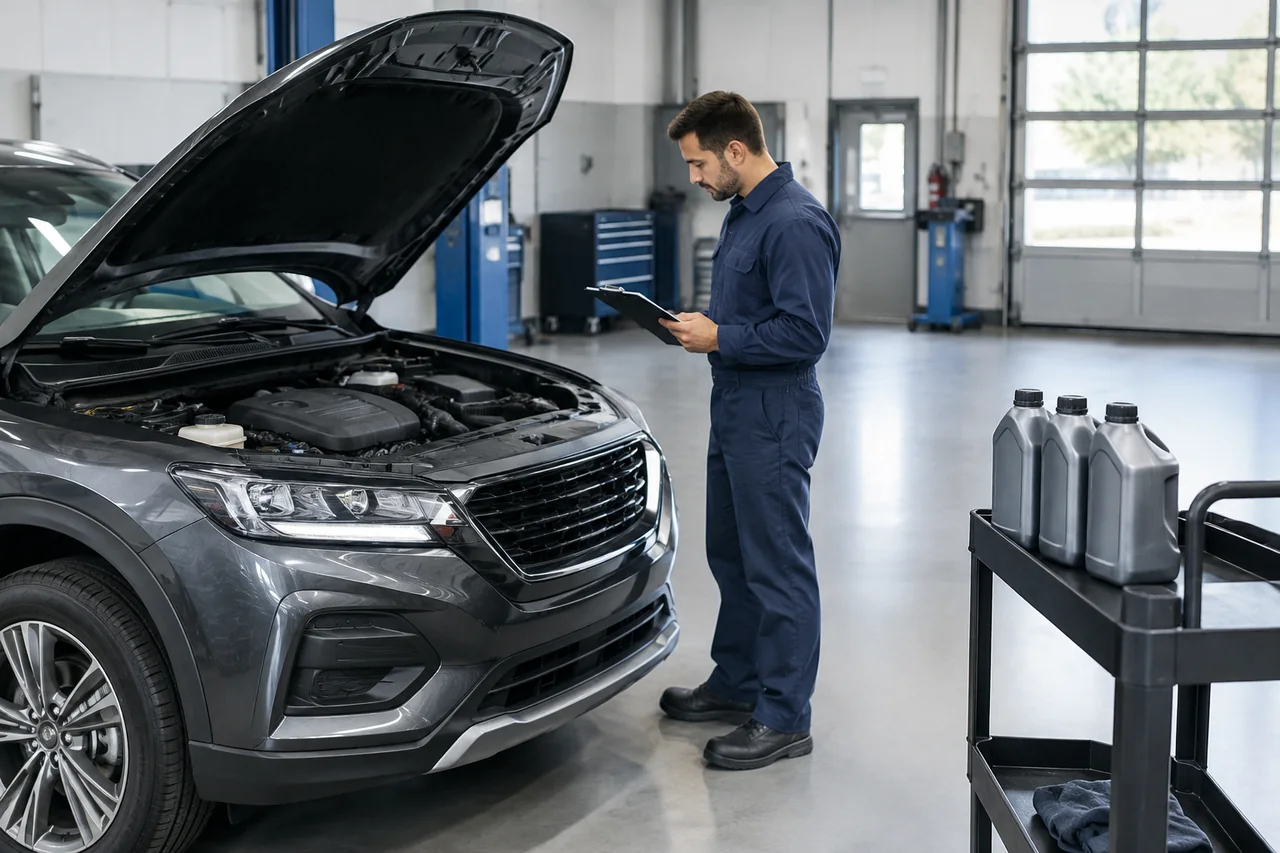
CVT transmission service is scheduled work that supplies the correct fluid and inspects the unit according to the vehicle's maintenance requirements. Servicing a CVT transmission is not a universal job; it follows model-year guidance and the CVT fluid specification. Knowing what CVT transmission service includes, how the interval is set, and which habits support CVT transmission maintenance helps you plan work without treating fluid replacement as a repair.
What a CVT Service Includes
What is CVT transmission service in practical terms is the set of tasks listed for that powertrain, not a generic automatic package. Servicing CVT transmission hardware usually centers on fluid replacement with the specified fluid, inspection for fluid leaks, and any checks the maintenance schedule names. How to service a CVT transmission also depends on whether the unit uses a replaceable filter, a strainer in the pan, a reusable gasket, or a sealed layout. Those items belong in the job only when the prescribed procedure calls for them, so the quote should name that hardware.
Scheduled CVT transmission maintenance is preventive. Completing a fluid service on time does not identify why a vehicle shudders, hesitates, or fails to move, and it does not reverse wear already present in belts, pulleys, or control hardware. How to service CVT transmission assemblies still starts with the published procedure, but a technician may recommend diagnosis first if warning lamps or abnormal behavior are already present. Fluid replacement can restore the specified lubricant condition; it is not evidence that an internal part has failed, nor a substitute for finding the cause of a drivability complaint.
Finding the Correct CVT Service Interval
The CVT transmission service interval belongs in the maintenance schedule for the exact model year and transmission, not in a universal mileage number. Some schedules use time, distance, or a maintenance monitor that counts operating history. Manufacturers often define severe operating conditions as frequent short trips, heavy loads, dusty roads, extreme heat, or repeated stop-and-go use, and those definitions can shorten the fluid requirement. How to maintain a CVT transmission starts by reading that schedule and confirming whether your use matches the severe or standard column rather than adopting an interval from another vehicle.
Unclear service history and lifetime-fluid language call for manufacturer service information rather than a guess. Lifetime in that context is a warranty phrase, not a laboratory measurement of remaining additive life, so a qualified shop should confirm what the current schedule actually requires. Fluid color alone cannot set a CVT transmission service interval. Dark or light appearance can reflect dye, heat history, or contamination, but it does not prove remaining fluid life. Mileage, time, operating conditions, and the specified inspection remain the basis for deciding when servicing a CVT transmission is due.
Understanding Drain and Fill and Flush Services
A drain and fill removes the fluid that leaves through the prescribed draining procedure, then replenishes that volume with the specified CVT fluid. Some fluid remains in the torque converter, cooler lines, and valve body, so one drain and fill is a partial exchange rather than a complete emptying. Shops may use flush or fluid exchange for several processes, from machine-assisted replacement to repeated drain cycles, sometimes with additives. Ask for the exact method, equipment, fluid, and any proposed chemicals before authorizing work, because those details determine what leaves the transmission and what is put back.
The proposed method should match vehicle-specific service guidance rather than a shop's preferred machine for every automatic. No drain and fill or flush process is universally appropriate across CVT designs, cooler layouts, and control strategies. How to service CVT transmission fluid depends on whether the manufacturer describes a drain, a measured refill, a cooler-line exchange, or another sequence. Symptoms or an unknown maintenance history warrant an assessment first. A unit that already slips, overheats, or stores a message may need inspection before a fluid method is chosen, because exchanging lubricant does not establish what failed inside.
Confirming Fluid Specifications and Service Scope
The exact required CVT fluid specification must be verified from the owner's manual, under-hood label, or manufacturer service information and documented on the work order. A bottle marked as transmission fluid is not proof of compatibility, because CVT friction chemistry and viscosity targets differ from conventional automatic fluids. When you review a quote, ask which specification will be used, whether prescribed filter or seal work is included, how fluid leaks will be checked, and what final verification the shop will perform. Those answers define the service scope more clearly than a generic fluid-change line.
Transmission fluid level on many CVTs is checked at a specified transmission temperature using a vehicle-specific procedure, overflow plug, or scan-tool reading. Casual topping off from a dipstick habit used on older automatics is unreliable and can overfill or underfill the unit. How to maintain CVT transmission fluid as an owner is to review documentation, watch for warning messages, and note engagement changes, then leave lifting, hot-fluid handling, and specialized checks to qualified personnel. Those steps keep you informed without exposing you to hot fluid or an incorrect fill.
Owner Habits That Support CVT Maintenance
How to maintain a CVT transmission between shop visits starts with the owner's manual limits for towing, cargo, and operation in heat, hills, or traffic. Exceeding those limits raises transmission temperature and can push the unit outside the conditions the maintenance schedule assumed. Smooth throttle and brake inputs reduce abrupt ratio changes and heat spikes. Come to a complete stop before moving the selector between forward and reverse so the unit is not asked to reverse belt direction while still rolling. Those habits support maintenance of CVT transmission hardware without substituting for scheduled fluid service.
Keep dated service records with mileage, the CVT fluid specification used, and completed work such as drain and fill, filter or pan service, and leak inspection. Those records matter when history is later unclear and when a shop needs to know whether a prior fluid exchange already occurred. After parking on a clean surface, look for new spots beneath the vehicle, then have a technician identify the source rather than guessing from color. Appearance alone cannot identify a leaking fluid, because coolant, engine oil, and CVT fluid can look similar once mixed with road film.
Symptoms That Need Assessment Before Routine Service
New shuddering, delayed engagement, unusual noises, warning messages, or loss of propulsion are reasons to seek diagnosis before treating the visit as routine CVT transmission service. Those symptoms can come from fluid condition, temperature, a leaking cooler, a control issue, a sensor, or internal wear. They do not, by themselves, prove that fluid replacement is required or that the transmission must be replaced. A fault message is evidence to interpret with vehicle-specific confirmation, not proof a part has failed. Ask the shop to inspect and test rather than starting with a fluid service that may leave the cause unaddressed.
Record when symptoms occur, road speed, selector position, and any displayed messages, without deliberately reproducing unsafe conditions such as high-speed loss of drive. Follow the owner's manual if a transmission temperature warning appears, reduce demand as it instructs, and arrange assistance when the vehicle cannot be driven safely. Professional checks may include a look for fluid leaks, a scan of stored messages, a controlled road test, and a fluid-level check at the specified temperature. Those steps decide whether servicing a CVT transmission can proceed as maintenance or whether diagnosis must come first.