Cutlass dashboard
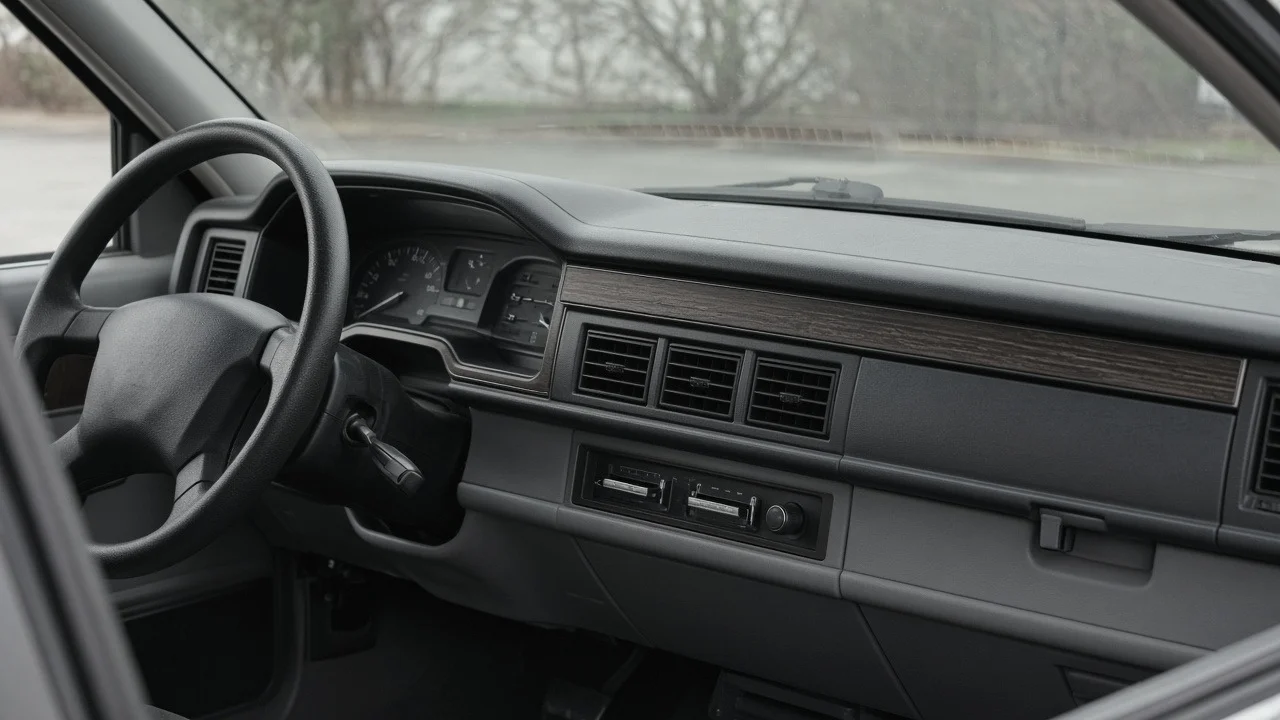
When a Cutlass dashboard loses its glow, flickers, or goes dark, the root cause can range from a simple failed bulb to an aging circuit board or a poor ground. Understanding how this classic instrument cluster reports operating status helps you separate an inexpensive lighting fix from a deeper electrical concern. The dash is not just a display panel; it is the primary feedback loop between the driver and the car’s charging, cooling, and lubrication systems. Interpreting a dead gauge or warning indicator correctly starts with knowing how these analog circuits were designed.
Essential answer
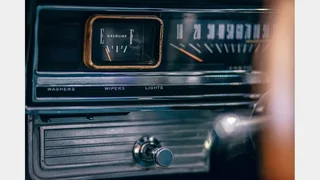
The Cutlass dashboard is the padded and molded upper panel that houses the instrument cluster, gauge faces, warning lights, climate vents, and often the radio or heater controls. Over time, the printed circuit on the back of the cluster can crack, leading to intermittent gauges and display messages that appear without a mechanical fault. A no-light condition at night usually points to the headlamp switch rheostat, a failed ground, or multiple burned bulbs rather than the engine itself. Separating backlighting loss from a true warning indicator is the first practical step.
Many owners notice one gauge drops to zero while others stay steady. That pattern suggests a single sender wire, a loose cluster connector, or a broken trace on the flexible circuit, not a failed alternator or oil pump. Conversely, a temperature gauge that climbs while the engine runs normally may mean the voltage limiter inside the cluster is allowing full current to the gauge. A diagnostic check should therefore begin with the dashboard’s shared power and ground paths, since multiple symptoms often share one electrical cause.