Cub Cadet Trailer Hitch Ball
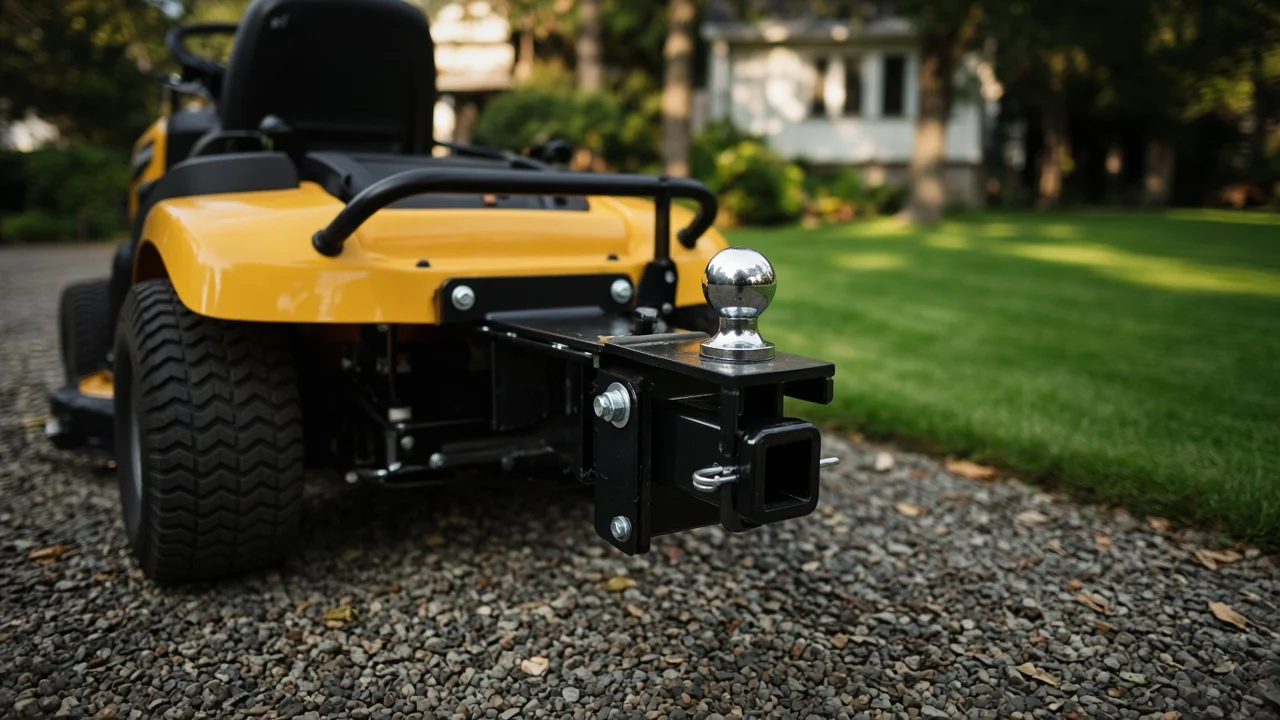
Choosing a Cub Cadet trailer hitch ball means matching the ball’s shank, platform, and load rating to the machine’s drawbar and the coupler on the towed attachment. The right fit keeps the connection stable across uneven ground, reduces coupler wear, and helps the operator stay within the vehicle’s payload, tongue weight, and axle limits. Because Cub Cadet lawn tractors, garden tractors, and utility vehicles use different rear configurations, the same ball size or shank length is not universally correct. A commercial purchase decision should begin with the installed drawbar, the coupler stamping, and the intended towed load rather than with a universal accessory listing.
The direct answer
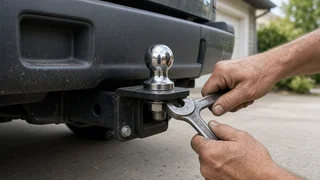
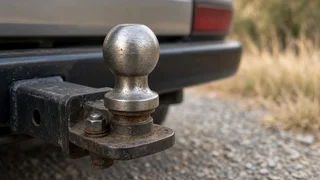
A Cub Cadet trailer hitch ball must match the trailer coupler diameter, normally stamped on the coupler, and the hole size in the tractor’s drawbar or rear hitch plate. The shank diameter and threaded length need to pass fully through the mounting hole so the nut and lock washer seat against the underside. A ball that fits the coupler but has an undersized or oversized shank can rock under load, hammer the hole, or loosen during tight turns and grade changes.
Load rating is the other pass-or-fail condition. The ball’s capacity should be checked against the gross vehicle weight rating, the attachment’s loaded weight, and the rear axle rating; a ball sized only for a light cart is not automatically adequate for a loaded spreader, aerator, or log splitter. Tongue weight also matters because a short drawbar concentrates downward force at the ball. Selecting a common diameter such as 1-7/8 or 2 inches is useful only after confirming the coupler and shank configuration.