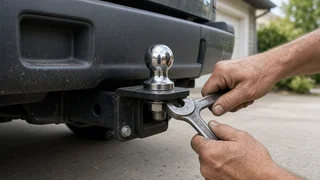
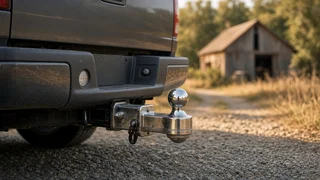
Convertible Trailer Hitch Ball
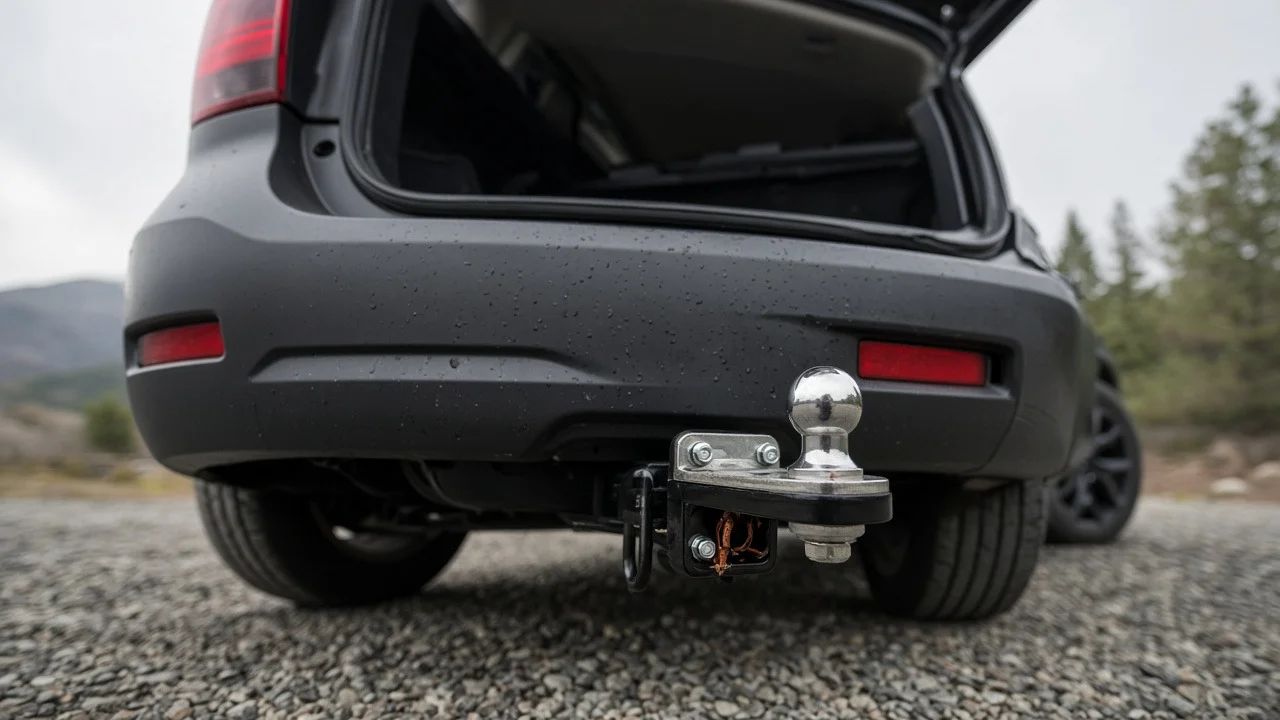
Choosing a convertible trailer hitch ball means matching one ball mount to more than one coupler size, so a single towing setup can serve different trailers without swapping the entire drawbar. The key decision is not just the ball diameter; it also involves the shank, the load rating, and how the dual-size design changes the loaded geometry. A convertible ball can simplify towing chores, but only when its capacity suits the trailer's loaded weight, tongue weight, and the receiver's axle ratings. Buyers should treat the ball as part of a weight-carrying system, not as a universal cure for every trailer configuration.
The direct answer
A convertible trailer hitch ball is a single component that provides two ball sizes, commonly letting the user rotate or reposition the ball to fit a smaller or larger coupler. This helps when one vehicle pulls a utility trailer with a 1-7/8-inch coupler and a heavier trailer with a 2-inch coupler. The immediate answer for most shoppers is that a convertible ball can work well if the rated capacity of the smaller ball is enough for the lighter trailer and the larger ball is enough for the heavier trailer. If either trailer exceeds the relevant rating, a dedicated ball or a higher-capacity mount is the safer choice.
Tongue weight and gross vehicle weight rating still govern the setup. The ball only transfers force from the coupler into the ball mount and receiver, so the receiver, drawbar, pin, and hitch platform must also carry the loaded trailer. A convertible ball that changes effective height or moves the coupler position slightly can alter tongue weight distribution, especially on a weight-carrying setup. For this reason, the practical answer is to confirm the combined weight rating, axle rating, and payload margin before relying on the convenience of a dual-size ball.