Compare Akebono and Bosch brake pads

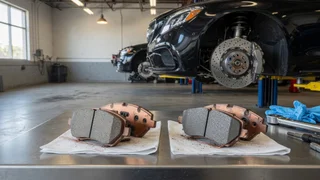
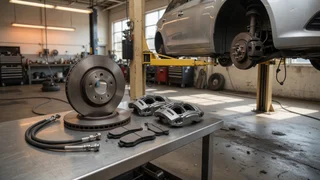
Choosing between Akebono and Bosch brake pads usually comes down to how a vehicle is driven daily. Both lines are widely available replacement options for US vehicles, but their friction materials and noise behavior differ enough to affect owner satisfaction. The comparison also involves brake rotors, caliper condition, and proper vehicle fitment, because pads never work alone. Understanding wear limits and how a pad transfers friction to the rotor helps drivers select a set that matches commuting, towing, or spirited driving without accepting unnecessary dust or pedal softness.
Direct answer
For most street-driven cars and light trucks, Akebono ceramic formulations are a strong first choice when low dust and quiet operation matter. Bosch offers capable alternatives across ceramic, semi-metallic, and specialty lines, so the immediate answer depends on the friction material in the specific Bosch part number rather than the brand alone. If the goal is clean wheels and predictable cold-bite during ordinary commuting, an Akebono ceramic set usually fits that use case cleanly.
The qualification is that brake pads are a system component. A warped or deeply grooved brake rotor, weak brake fluid, or a sticking caliper can make even the best pads feel noisy or inconsistent. There is no single universal pad for every driver. A heavy-duty or high-temperature application may favor a Bosch semi-metallic compound, while a daily driver seeking low maintenance may benefit from Akebono's emphasis on ceramic behavior.
Differences and suitability
The main difference in suitability concerns friction material character. Akebono pads are commonly associated with ceramic compounds that produce light-colored dust and progressive engagement. This tends to reduce wheel staining and low-speed squeal, which is helpful for crossover owners and commuters. The tradeoff can be a slightly softer initial feel in cold weather until the pad and brake rotor develop a consistent transfer layer. Proper bedding and clean caliper slide surfaces become important for that feel.
Bosch pads vary more broadly because the brand includes multiple friction families. Many European-style formulations emphasize firmer initial bite and stronger heat tolerance, which can suit heavier vehicles or drivers who brake assertively. That can also produce more visible rotor wear or dust. Because manufacturer-specific fitments differ, checking the exact pad material and approved vehicle fitment matters more than choosing by brand reputation. Both options should be evaluated against the existing rotor condition and the owner's priority between quiet comfort and firmer pedal response.