Akebono vs Bosch Brake Pads: How They Compare and Which Fits Your Driving
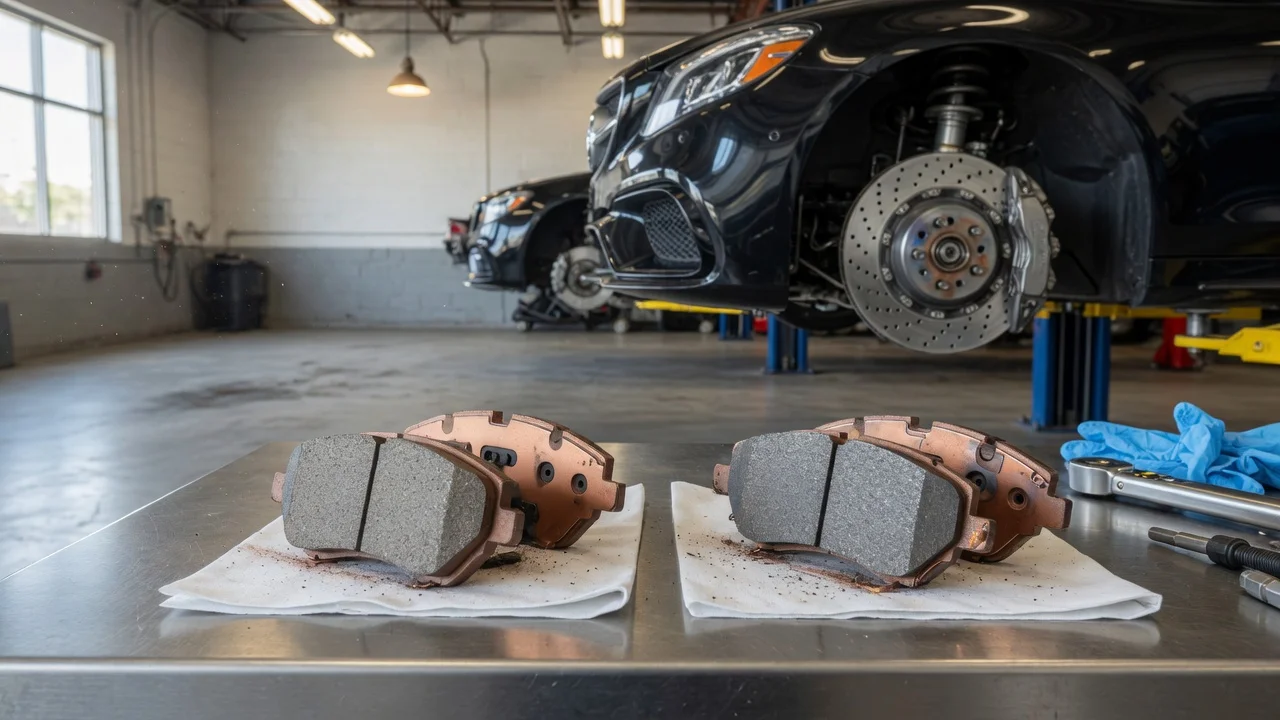
Akebono and Bosch both make reputable aftermarket brake pads. Neither brand is better for every car. In general, Akebono focuses on ceramic pads marketed for quiet, low-dust everyday driving. Bosch offers a broader range that includes both ceramic and semi-metallic formulations, depending on the vehicle. The better choice depends on your vehicle, the specific product line, and how you drive, not on the brand name alone.
The Short Answer
If your main goals are a quiet pedal and clean wheels on a daily-driven car or light SUV, Akebono's ceramic lines are a common fit. If you want one brand that covers ceramic and semi-metallic options across many vehicles, or your vehicle originally came with semi-metallic pads, Bosch's range may give you more flexibility. One caution: no independent, like-for-like test data, such as stopping distance, fade resistance, wear rate or measured dust, was available for this article. Neither brand can be declared objectively superior in braking performance.
How Each Brand Approaches Brake Pads
Akebono is a Japanese brake manufacturer that has supplied original-equipment brakes to automakers. Its aftermarket lineup centers on ceramic friction material. Ceramic pads use ceramic fibers and fillers rather than a high steel content. They are generally associated with less noise and lighter-colored, less noticeable brake dust. Akebono's main aftermarket lines include ProACT, a ceramic pad for a wide range of passenger cars and light trucks, and EuroUltra, a ceramic pad aimed at European vehicles. Many European cars come from the factory with pads that produce heavy, dark dust.
Bosch is a German automotive supplier with a much broader product portfolio, of which brake pads are one part. Its aftermarket pads are sold in tiers. QuietCast is the premium line. It uses ceramic or semi-metallic friction material depending on the application and includes noise-reducing hardware such as shims. Bosch also sells a lower-priced line for budget-focused replacement. Semi-metallic pads contain metal fibers. They typically tolerate heat well and suit heavier vehicles, but they tend to produce more dust and noise than ceramic pads.
Product names, formulations and coverage change over time and differ by market. Check the current catalog listing for your exact vehicle rather than relying on a general brand description.
Side-by-Side Comparison
Criterion | Akebono | Bosch; Primary friction material | Mostly ceramic | Ceramic or semi-metallic, depending on line and application; Main aftermarket lines | ProACT (general), EuroUltra (European vehicles) | QuietCast (premium), plus a lower-priced line; Typical design priority | Quiet operation, low visible dust, smooth feel | Broad coverage, matching the formulation to the vehicle, noise control in the premium line; Price tiers | Concentrated in the mid-to-premium range | Spans budget to premium; Best-known strength | Clean wheels and quiet braking on daily drivers | Choice of formulation and wide range; Independent performance data | None supplied for this article | None supplied for this article
The table compares design focus and product positioning, not measured performance. Manufacturer claims about noise, dust or wear come from each company's own testing under its own conditions. Those results cannot be fairly compared across brands unless the vehicle, pad formulation, rotor type and test procedure are the same.
Which Differences Matter for Your Driving
Daily commuting and family vehicles
For ordinary driving in a sedan, hatchback, minivan or crossover, both brands' ceramic pads are reasonable choices. Akebono's appeal is a single-minded focus on ceramic pads for low noise and dust. Bosch QuietCast ceramic pads, where offered for your vehicle, target the same priorities. If you choose Bosch, confirm which formulation the part number uses, because the same line can be ceramic for one vehicle and semi-metallic for another.
European cars with heavy wheel dust
Owners of European vehicles who dislike dark dust on their wheels often consider Akebono EuroUltra, which is designed for this purpose. The tradeoff with any lower-dust replacement on a European car is pedal feel and initial bite, which may differ from the original pads. Some drivers prefer the factory feel. Others accept the change for cleaner wheels. The evidence available for this article does not quantify how much feel or bite changes on any specific model.
Trucks, towing and heavy loads
Heavy use generates more heat. Semi-metallic pads are often chosen for heat tolerance in these conditions. Bosch's range includes semi-metallic options for many trucks and SUVs, which suits owners who tow, haul or drive long mountain descents. Akebono offers ceramic pads for many light trucks, and they can work well for lighter-duty use. If you tow often or carry heavy loads, check that the pad you choose is rated for that kind of use and matches what the manufacturer specifies for your vehicle.
Spirited or track driving
Neither brand's mainstream street pads are designed as dedicated track pads. Repeated hard stops from high speed can exceed what street-focused ceramic or semi-metallic pads are built to handle. Drivers who track their cars should look at pads made specifically for that use rather than choosing between these two lines.
What the Available Evidence Does Not Settle
Stopping distance: no comparable measurements were available for the same vehicle and conditions. Pad and rotor wear rates: no independent wear data was supplied, and real-world wear depends heavily on driving style and rotor condition. Measured dust and noise: brand claims exist, but no shared test method allows a direct comparison. Price: prices vary by vehicle, retailer and region, so no reliable figures can be given here. Vehicle-specific results: performance can differ by model year, trim and brake package, and no model-specific data was supplied.
How to Choose for Your Vehicle
Confirm exact fitment using your vehicle's year, make, model, trim and brake package, since some models offer more than one brake setup. Check the friction material on the specific part number. Ceramic and semi-metallic pads behave differently, even within one brand. Compare against your original pads. If your vehicle came with semi-metallic pads for heavy-duty reasons, consider whether switching to ceramic suits your use. Inspect the rotors. New pads on worn or uneven rotors can cause noise, vibration and poor performance with either brand. Follow the bedding-in (break-in) procedure in the pad instructions. It transfers an even layer of friction material to the rotor and affects early braking feel. Check the included hardware, such as shims and clips, and replace worn hardware to help prevent noise.
Recommendation
Choose Akebono if you drive a passenger car or light-duty vehicle, mostly commute, and want quiet braking with minimal visible dust, especially on a European car with dusty factory pads. Choose Bosch if you want more choice of formulation, need a semi-metallic pad for towing or heavier use, or want a lower-priced option. Whichever brand you pick, match the specific pad line and friction material to your vehicle and driving. That choice affects results more than the brand name does.